
Lieferung heute & morgen

Qualitätsgarantie

Willkommens-Angebote freischalten: KOSTENLOSE Lieferung | Bis zu 80 % RABATT | Kostenlose 30-Tage-JoyPlus-Testphase
App herunterladen
Choosing a child's first vehicle is an important decision. A balance bike not only promotes a sense of balance and coordination but also prepares them for riding a bicycle later on. However, the market offers an overwhelming variety of models, materials, and features. To make an informed decision, it helps to know the most common purchasing mistakes and understand the key product features.
This guide is designed to help you cut through the noise and find a child's balance bike that is safe, fun, and supportive of your child's development.
Many well-intentioned purchases quickly prove to be impractical. Pay attention to these three points to avoid a poor investment:
To avoid the problems mentioned above, you should check three key aspects before buying. These are crucial for determining safety, durability, and riding enjoyment.
The manufacturer's age recommendation is only a rough guideline. The crucial factor is your child's inseam (also known as inside leg length).
The material affects the bike's weight, durability, and maintenance requirements.
A good learner bike should be light enough for your child to pick up and move on their own.
The wheels are an often-overlooked but important detail. 12-inch wheels are common, but the material is what truly matters.
Instead of making a one-size-fits-all recommendation, we have selected models tailored to specific needs and age groups.
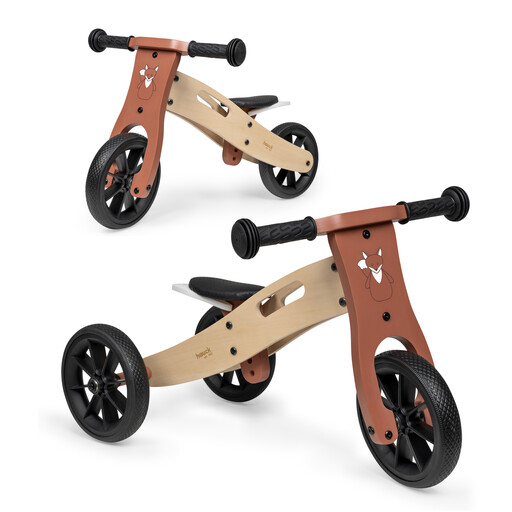
Why this model is a great fit: Ideal for toddlers from 12 months who are just starting out. It converts from a stable tricycle to a two-wheeled balance bike, safely supporting their first developmental steps.
The 2-in-1 function solves the "wrong size" problem for the youngest riders. As a tricycle (toddler ride-on toy), it offers maximum stability initially before converting into a learner bike.
A grows-with-your-child feature and a frame made from FSC-certified wood, which supports sustainable and ecological forest management.
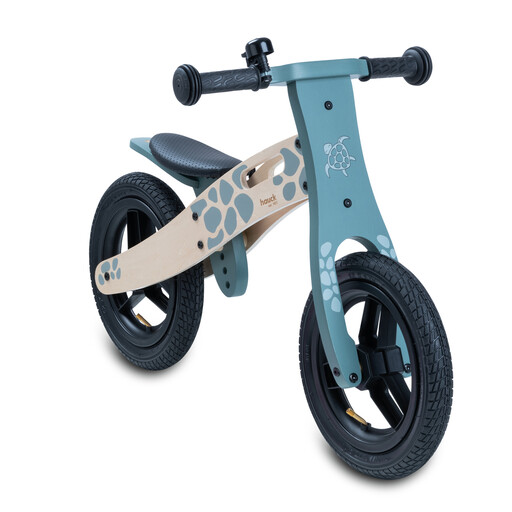
Why this model is a great fit: For families who value natural materials and a classic aesthetic. This wooden balance bike combines a sustainable design with practical features for children from 18 months.
It prevents the "lack of adjustability" problem. According to the manufacturer, the saddle is 4-way height-adjustable, allowing it to grow with the child over a long period.
The 12-inch pneumatic tyres ensure a comfortable ride on various surfaces. The integrated carrying handle makes transport easier for parents.
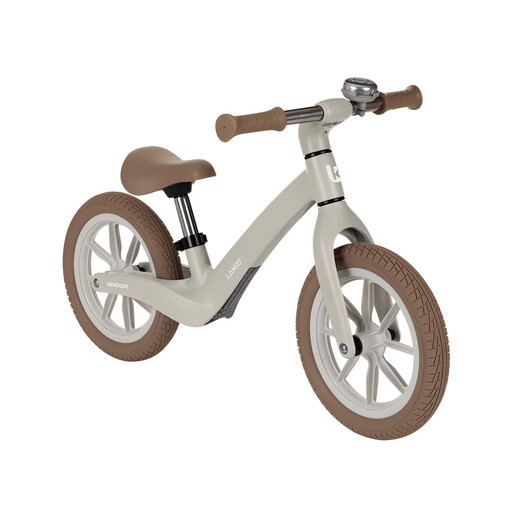
Why this model is a great fit: Designed for children aged 3 to 6 who are already confident riders and need a robust yet lightweight vehicle for longer distances and active play.
It solves the "excessive weight" problem. According to the manufacturer, the fibreglass frame is extremely light at just 3 kg, which simplifies handling for the child and transport for parents.
The puncture-proof 12-inch PU wheels are maintenance-free and durable. The height-adjustable seat ensures a long service life.
We have compiled a complete, up-to-date list of products that meet these strict selection criteria and safety regulations.
1. How do you set the correct seat height on a balance bike? The ideal seat height is achieved when the child can sit on the saddle and place both feet flat on the ground with their knees slightly bent. This gives the child the necessary control and confidence to push off and stop at any time. Check the adjustment regularly, as children grow quickly.
2. From what age is a balance bike useful? Most children are ready for a balance bike between 18 months and 2 years of age. However, physical development is more important than age. As soon as a child can walk confidently and has reached the necessary height (inseam) for the smallest model, they can get started. For the very youngest, there are special models with three wheels or a very low step-through frame.
3. Does my child need a helmet for a balance bike? Yes, absolutely. Even though the speeds may seem low, falls are part of the learning process. A well-fitting, certified children's helmet is an essential piece of safety equipment to protect their head during falls. Get your child into the habit of always wearing a helmet from the very first ride.