
Lieferung heute & morgen

Qualitätsgarantie

Willkommens-Angebote freischalten: KOSTENLOSE Lieferung | Bis zu 80 % RABATT | Kostenlose 30-Tage-JoyPlus-Testphase
App herunterladen
Choosing a child's first vehicle is a significant milestone. From the first wobbly attempt on a ride-on toy to proudly gliding on a balance bike – these experiences shape motor skill development and self-confidence. The market offers a plethora of options, from baby walkers and tricycles to the first kids' bikes. However, this variety can also lead to poor purchasing decisions. As your Joybuy Product Recommendation Officer, I'll help you understand the crucial criteria and avoid common pitfalls.
Before we dive into the details, let's look at three typical mistakes that often lead to frustration for both child and parent.
To make an informed decision, focus on a few, but decisive, technical parameters.
The most important measurement for selecting a balance bike is your child's inner leg length (inseam). Measure this from the floor to the crotch while your child stands straight with their legs slightly apart.
The material and type of wheels determine the weight, maintenance requirements, and ride comfort.
Safety is non-negotiable. Look for the following objective features:
Instead of making a one-size-fits-all recommendation, we have curated models for different age groups and needs.
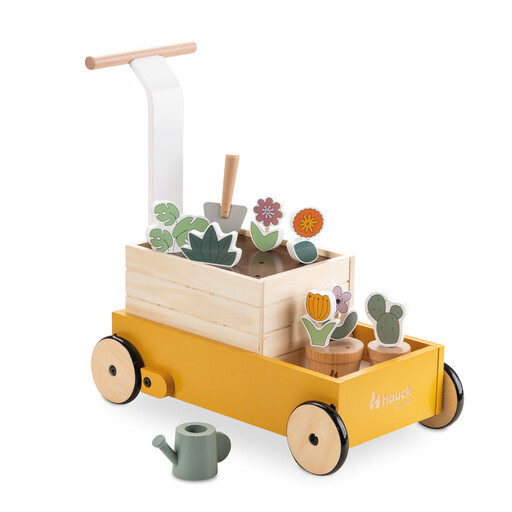
Why This Fits Their Persona: Ideal for children who are just taking their first steps. This baby walker provides stability and safety before the child is ready for a balance bike, while also promoting motor skills through integrated play elements.
It avoids the mistake of buying a balance bike too early. Instead, it offers age-appropriate support for the first phase of mobility.
Made from sustainable, FSC-certified wood; adjustable brake to adapt the speed to the child's learning progress.
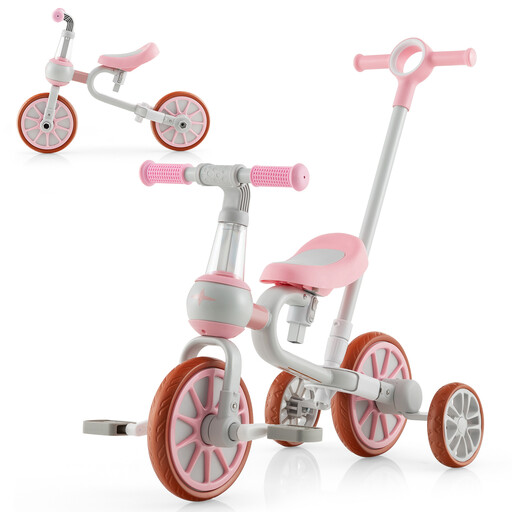
Why This Fits Their Persona: For parents looking for a versatile solution that grows with their child. This model converts from a tricycle with a push bar to a standalone tricycle and finally to a balance bike.
Instead of being a compromise, it specifically offers the function of a balance bike with a push bar, giving parents control on long walks and preventing child fatigue.
Multiple stages of use in one product; the adjustable push bar allows parents to steer and push, increasing safety in the initial phase.
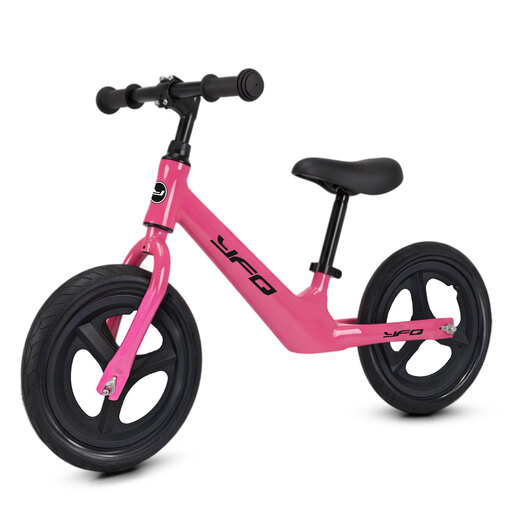
Why This Fits Their Persona: Perfect for children who are ready to specifically train their sense of balance to later transition effortlessly to a kids' bike for ages 3 and up. This model focuses on the core function of a balance bike.
It avoids the complexity of "all-in-one" models and focuses on the essentials: a lightweight, pedal-less training bike that optimally prepares a child for riding a bicycle.
Lightweight design for easy handling; puncture-proof tyres for low maintenance; adjustable saddle for a long period of use.
We have compiled a complete, up-to-date list of products that fully meet these strict selection criteria and German safety regulations.
Most children are ready for a balance bike between 18 months and 2.5 years old. More important than age is physical development. Your child should be able to walk confidently and have a sufficient inseam to stand with both feet flat on the ground while sitting on the saddle. For younger children from about 1 year old, four-wheeled ride-on toys or baby walkers are more suitable.
For children under three, a brake is often unnecessary, as their motor skills and hand strength are usually not yet sufficient to use it effectively. They intuitively brake with their feet. For experienced and faster children from about three years old, a hand brake (usually for the rear wheel) can be a sensible addition to familiarise them with the function of a bicycle brake.
The adjustment is crucial for safety and comfort. Have your child sit on the saddle and adjust the height so that both feet are completely and flat on the ground, with the knees slightly bent. This gives the child the necessary control to push off powerfully and stop safely at any time. Check the adjustment regularly, as children grow quickly.