
Lieferung heute & morgen

Qualitätsgarantie

Willkommens-Angebote freischalten: KOSTENLOSE Lieferung | Bis zu 80 % RABATT | Kostenlose 30-Tage-JoyPlus-Testphase
App herunterladen
For many city dwellers, the dream of growing their own vegetables on the balcony is an appealing one. Harvesting fresh tomatoes, herbs, or even potatoes right outside your door brings a touch of nature to urban life. However, limited space and unpredictable weather often pose a challenge. A balcony greenhouse can be a practical solution, protecting plants from wind, rain, and cold while creating optimal growing conditions.
This guide is designed to help you navigate the options. We'll introduce various models and concepts designed for use on balconies and patios, and explain the key criteria to consider when making your choice.
The right model for you depends on your available space and the plants you want to cultivate. You should consider three key aspects.
A balcony greenhouse is exposed to the elements, so look for a sturdy construction. Many models feature a frame made of powder-coated steel tubes, which are resistant to rust. The cover is often made from a tear-resistant and UV-stabilised PE mesh film. This material, often found in what is known as a polytunnel greenhouse, protects plants from harsh sunlight and adverse weather. Proper anchoring or a sheltered location is crucial to ensure stability in high winds. This is especially important if you plan to use it for winter protection for balcony plants.
Carefully measure the available space on your balcony or patio before making a decision. For narrow balconies, a tall, slender balcony tomato house that utilises vertical space is an excellent choice. If you have more surface area, a wider, walk-in model could be an option. In addition to classic greenhouses, there are alternative solutions like specialised planters. A potato grow bag, for example, allows you to cultivate tubers in a very small footprint and is a flexible element for urban gardening.
Good air circulation is crucial to prevent heat build-up and mould. Models with roll-up doors or windows, secured with zips and Velcro fasteners, allow for easy regulation of temperature and humidity. Easy access to your plants also simplifies care, watering, and harvesting. A grow tent with a large door opening is often more practical here than a model with only small flaps.
Based on functionality and various use cases, we've curated a selection of products that make gardening in limited spaces easier.
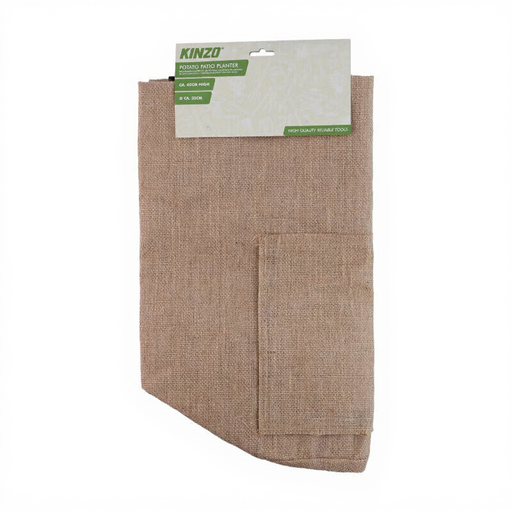
Why It Stands Out: This grow bag is a specialised solution for cultivating potatoes and other root vegetables without a traditional garden bed. Its design is specifically tailored to the needs of tubers in small spaces.
Advantages:
Who Is It For? Ideal for gardening beginners and urban gardening enthusiasts who specifically want to try growing potatoes on the balcony and are looking for a flexible, straightforward solution.

Why It Stands Out: Its vertical design, with a height of 190 cm, makes optimal use of space and is perfect for tall plants like tomatoes. The sloped roof prevents rainwater from pooling.
Advantages:
Who Is It For? This small greenhouse is a great choice for balcony gardeners with limited floor space who are looking for a dedicated balcony tomato house or a sheltered spot for other climbing vegetables.
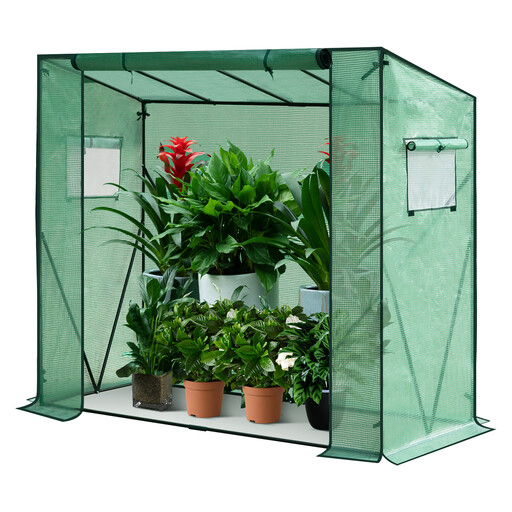
Why It Stands Out: With a width of 200 cm, this model offers significantly more space and functions as a walk-in greenhouse for the patio or a larger balcony. It allows for the cultivation of a wider variety of plants.
Advantages:
Who Is It For? Suitable for hobby gardeners who have more space and are looking for a versatile solution for growing vegetables on the balcony or protecting sensitive potted plants year-round.
The products featured here cover common use cases. However, if you're looking for different sizes, specific materials, or other urban gardening accessories, it's worth exploring our wider range.
Discover more solutions and matching accessories in our Patio Plants category.
Heat-loving plants thrive particularly well in a balcony greenhouse. These include tomatoes, peppers, chillies, and aubergines. Herbs like basil, as well as lettuces and strawberries, also benefit from the protected climate. Your choice of plants will depend on the size and height of the greenhouse.
Secure anchoring is essential. Use the included pegs if you are setting up the greenhouse on a patch of lawn or soil. On a concrete balcony, heavy stones or sandbags can be placed on the bottom frame for weight. Find the most wind-sheltered location possible and keep doors and windows closed during storm warnings.
Generally, small, mobile greenhouses that are not permanently attached to the building do not require a permit. However, it is always wise to check your homeowners' association rules or rental agreement, as there may be specific regulations regarding balcony modifications.