
Lieferung heute & morgen

Qualitätsgarantie

Willkommens-Angebote freischalten: KOSTENLOSE Lieferung | Bis zu 80 % RABATT | Kostenlose 30-Tage-JoyPlus-Testphase
App herunterladen
With the right plants, a balcony or terrace can be transformed into a green oasis. Choosing the right planter is crucial for both the health of your plants and the aesthetics of your outdoor space. Many people look for a solution that is both functional and visually appealing, but face a vast selection of materials, sizes, and shapes. This article provides guidance and presents a selection of balcony planters that meet a variety of needs.
The decision to buy a planter should be based on objective criteria. Here are three key points to consider when selecting a planter for outdoor use.
The material is a key factor in determining durability and maintenance requirements. Making a weatherproof planter is a top priority for manufacturers. Materials like clay-fibre composites, polyethylene (PE), or blends of stone, polyresin, and fibreglass offer high resistance to the elements. Look for specifications like UV resistance to minimise colour fading from sunlight, and frost-proof properties for winter use. A good outdoor planter should be able to withstand temperature fluctuations.
The dimensions of the planter must suit the available space and the needs of your plants. A large planter is ideal for deep-rooted plants or as a striking design feature. A rectangular planter, on the other hand, can be placed against a wall to save space or used as a privacy screen on a terrace. For growing produce in a small area, there are specialised solutions like a potato pot that allows for vertical cultivation. Measure the intended location carefully before making a decision.
Waterlogging is one of the most common causes of root rot. A good planter for the terrace or balcony will therefore have drainage holes to allow excess water from watering or rain to escape. Some models have pre-drilled spots that can be opened if needed, or come with matching plugs. This allows for flexible use both indoors and outdoors.
Here is a curated selection of planters, each distinguished by its specific features and applications.
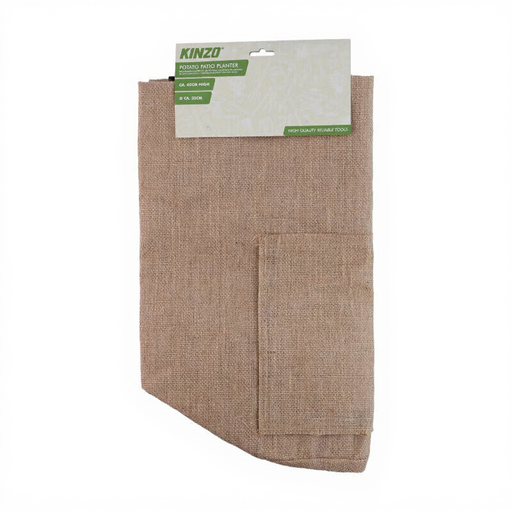
What makes it stand out: This planter bag is specifically designed for growing potatoes in very small spaces. Its construction allows you to cultivate your own vegetables on a balcony or terrace, even without a garden bed.
Advantages:
Who is it for? This product is a practical solution for hobby gardeners who want to grow their own vegetables on the balcony, especially for beginners in urban gardening.
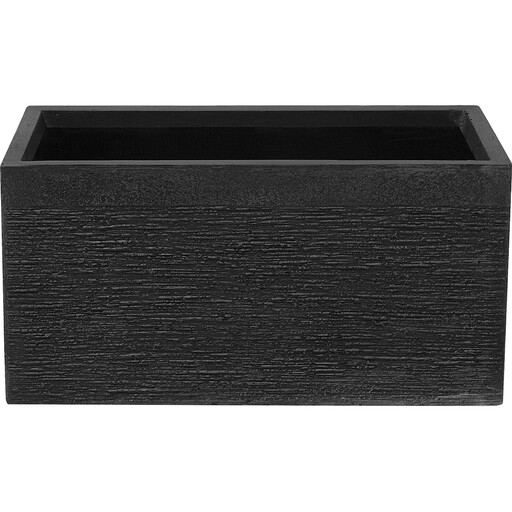
What makes it stand out: A modern planter with a long, rectangular shape, distinguished by its clean lines. Finished in black, it blends seamlessly into contemporary balcony and terrace designs.
Advantages:
Who is it for? Ideal for design-conscious individuals looking for a functional and stylish rectangular planter to create clean lines and structure on a terrace or a larger balcony.

What makes it stand out: This tall, slender planter in a subtle beige tone adds a vertical accent. Its round shape and 58 cm height make it an elegant eye-catcher.
Advantages:
Who is it for? This model is an excellent choice for anyone looking for a decorative, tall planter to create striking visual accents on a balcony, terrace, or in an entryway.
The products featured here cover a range of applications. If you are specifically looking for solutions for growing vegetables or want to compare more shapes and sizes, you can find a wider selection in our category.
? Discover more outdoor vegetable planters here
1. What is the best material for a balcony planter? Materials like clay-fibre composites, high-quality plastics (e.g., polyethylene), or composites of stone and polyresin are excellent choices. They are typically lighter than solid stone or concrete but still offer high stability, and are designed as weatherproof planters that are often also UV-resistant.
2. Do outdoor planters need drainage holes? Yes, drainage holes are essential for outdoor use to prevent waterlogging from rain or overwatering. Waterlogging can lead to root rot and damage the plant. Many models already have holes or pre-drilled spots.
3. How large should a balcony planter be? The size depends on the plant and the available space. As a rule of thumb, the pot's diameter should be about 5-10 cm larger than the plant's root ball. For deep-rooted plants or small shrubs, a large planter that is also deep is necessary, whereas shallower containers are sufficient for herbs or seasonal flowers.
Your Joybuy Product Recommendation Officer