
Lieferung heute & morgen

Qualitätsgarantie

Willkommens-Angebote freischalten: KOSTENLOSE Lieferung | Bis zu 80 % RABATT | Kostenlose 30-Tage-JoyPlus-Testphase
App herunterladen
Rising electricity prices and a desire for greater independence from the energy market are prompting many people to consider their own energy solutions. A balcony power plant, also known as a plug-in solar system or mini solar system, offers a practical and accessible way to generate your own solar power and significantly reduce your electricity bill. This article serves as a guide, presenting you with curated options and key criteria to inform your purchasing decision.
Choosing the right system depends on your individual circumstances and goals. The following three points will help you make an informed decision.
A solar module's output is measured in Watt-peak (Wp), which describes its maximum performance under standardised test conditions. In Germany, the feed-in power of balcony power plants is limited to 800 watts via the inverter. Many starter kits, such as a 400W balcony power plant, are a popular choice as they can already make a significant contribution to covering a household's base load (e.g., for refrigerators, routers, and standby devices). Pay attention to the efficiency of the solar cells, which indicates how effectively sunlight is converted into electrical energy. Modern modules achieve efficiency ratings of over 20%.
A complete solar panel kit with an inverter is the foundation of any system. The inverter converts the direct current (DC) from the solar modules into the alternating current (AC) used in your home. A plug-and-play solar system is designed to be commissioned without the help of an electrician. Check whether the kit includes all the necessary cables and mounting hardware for your intended location. Installation can be done on a balcony railing, a house facade, a flat roof, or in the garden.
The ideal location for your balcony power plant is unshaded and south-facing. Different solutions are available depending on the application site. For renters, flexible mounting systems for balcony railings are often suitable. Homeowners can consider a balcony power plant for the garden or a flat roof. A foldable solar panel offers maximum flexibility and is particularly suitable for mobile use, such as for camping or temporary installations in the garden.
Based on the criteria mentioned, we have curated a selection of products that cover various use cases in the field of solar energy.
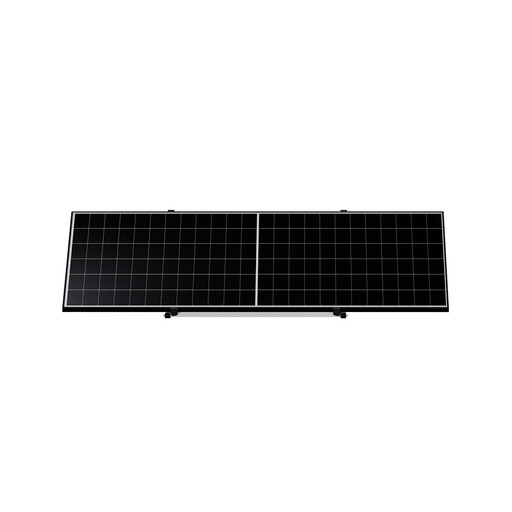
TSUN TSOL-ESK400-PS 400W Foldable Solar Panel Kit
Why It Stands Out This kit is designed as an all-in-one solution, ideal for users who want a hassle-free setup. The system consists of a pre-assembled solar module, a micro-inverter, and an adjustable bracket. Thanks to the adjustable tilt angle, the orientation towards the sun can be optimised to maximise power generation.
Advantages
Who Is It For? This kit is ideal for homeowners and renters with a garden, terrace, or flat roof who are looking for a high-performance and easy-to-install plug-in solar system to reduce their energy costs.
While a balcony power plant supports your household's electricity needs, separate solar lights can illuminate your outdoor space in an energy-self-sufficient and atmospheric way.
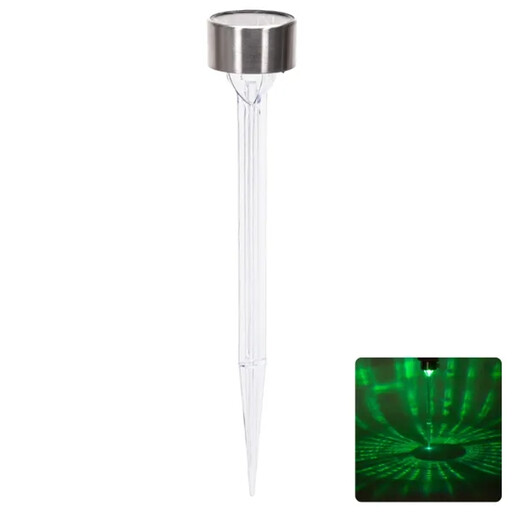
Aigostar Solar Lawn Light, RGB
Why It Stands Out This stainless steel light creates dynamic accents in flowerbeds or along pathways with its automatic RGB colour-changing feature. Installation is tool-free—simply stake it into the ground.
Advantages
Who Is It For? For anyone looking to add a decorative and colourful touch to their garden or balcony without any additional electricity consumption.
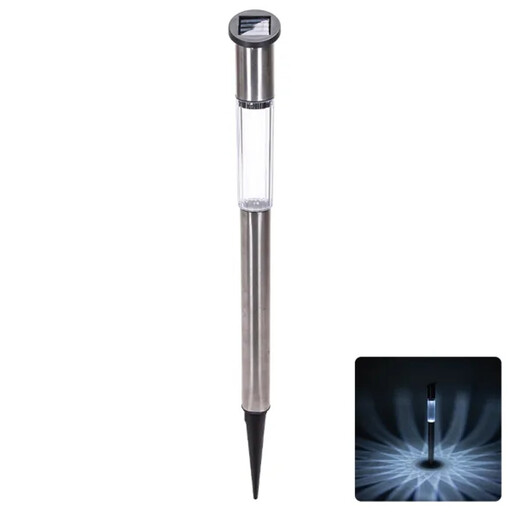
Aigostar Solar Path Light, 6500K
Why It Stands Out This high-stake solar light provides functional, bright light to illuminate paths and dark corners. The stainless steel and plastic design is both robust and discreet.
Advantages
Who Is It For? Ideal for users seeking practical and reliable lighting for garden paths, driveways, or terraces that is powered self-sufficiently by solar energy.
If your main goal is to enhance your garden with light accents rather than generating electricity for your home, you'll find a wide range of creative lighting solutions in our solar-powered allium lights category.
1. Do I need to register a plug-in solar system? Yes, in Germany, a simplified registration of balcony power plants up to 800 watts in the Market Master Data Register (Marktstammdatenregister) of the Federal Network Agency (Bundesnetzagentur) is required. The process is straightforward and can be completed online. A permit is generally not necessary.
2. How much electricity does a balcony power plant generate? The amount of electricity generated depends on the module's power output, geographical location, orientation, and any potential shading. In Germany, a 400W module can produce approximately 300 to 400 kilowatt-hours (kWh) of electricity annually. This can be enough to cover a household's base load (e.g., refrigerator, Wi-Fi router) during the day.
3. What does "plug-and-play solar system" mean? The term describes systems designed for easy self-installation by the end-user. The components are coordinated so that the system can be safely connected to a suitable socket after assembly, without needing to hire a professional electrician.