
Lieferung heute & morgen

Qualitätsgarantie

Willkommens-Angebote freischalten: KOSTENLOSE Lieferung | Bis zu 80 % RABATT | Kostenlose 30-Tage-JoyPlus-Testphase
App herunterladen
Choosing a balcony power station with battery storage is a logical step towards lowering your electricity bills and reducing your reliance on the public grid. However, the market is flooded with offers whose technical details and marketing promises often create more confusion than clarity. Many buyers invest in systems that fail to meet their expectations or turn out to be poor financial decisions. As your Joybuy Product Recommendation Officer, I'm here to help you understand the crucial factors and avoid common pitfalls.
Before you make a decision, it's important to know the typical mistakes that lead to untapped potential and unnecessary expenses.
expandable balcony power station is a hallmark of future-proof planning.To make an informed decision, focus on three technical features that determine the real-world value of your system.
The primary job of a battery is to cover your household's baseline load overnight. This includes devices that run continuously, such as your refrigerator, Wi-Fi router, and other electronics on standby. Measure your overnight consumption (e.g., with a plug-in power meter) to determine your baseline load. A battery with 1 to 2 kWh of capacity is sufficient for most households to cover this nightly usage and minimise drawing expensive power from the grid. Anything more is often only practical for specialised use cases or very high consumption levels.
In Germany, the feed-in from a plug-in solar system with storage is limited to 800 watts. However, modern systems can provide a much higher output internally to your home. A high-quality inverter, for example, can deliver 1200 watts or more directly to your appliances while simultaneously respecting the legal 800-watt feed-in limit to the grid. This smart energy distribution capability is crucial for maximising the use of your self-generated power at home, which is the most effective way of saving on electricity costs with solar.
A future-proof system should be modular. Look for a setup that allows you to increase storage capacity later by adding more battery modules. This is especially important for a balcony power station for tenants, who may need to adapt their energy setup when moving to a larger apartment. A true plug-and-play solar system with storage is also defined by its ability to be installed without an electrician. The components simply plug together and connect to a standard household socket. This significantly reduces installation costs and hassle. Furthermore, private buyers benefit from the balcony power station 0% VAT regulation, making the investment even more attractive.
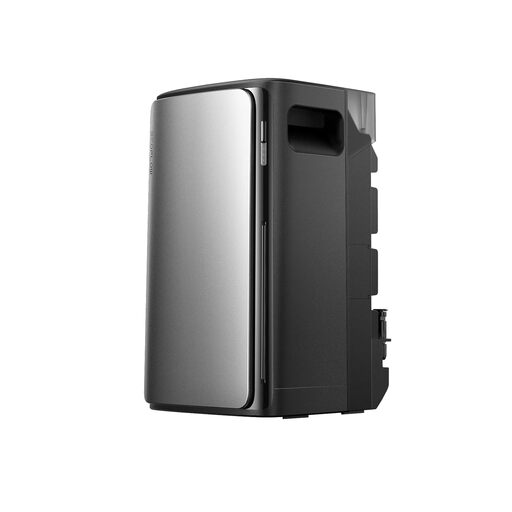
Why This Fits Their Persona: Ideal for tech-savvy users who want to maximise self-consumption. With 2300W of solar input and two AC outputs, even energy-intensive appliances like washing machines can be powered directly by solar, maximising savings.
It sidesteps the 'inflexible system' trap with its high expandability up to 11.52 kWh. The all-in-one solution prevents compatibility issues between components.
Dual AC ports for directly powering appliances and 3 MPPTs for optimised solar yield from different orientations. Smart control via app.
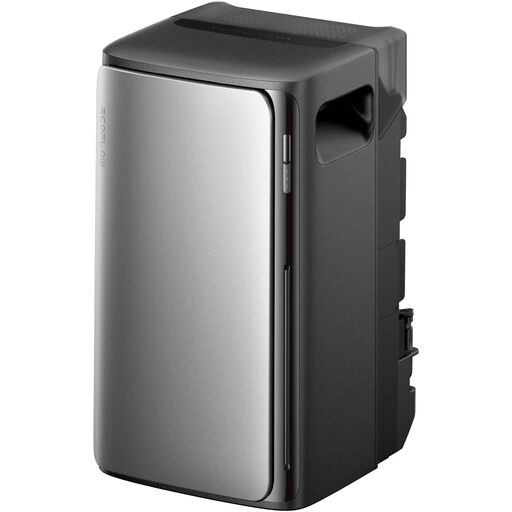
Why This Fits Their Persona: Perfect for tenants and homeowners who want to start with a solid foundation while keeping their options open. The simple plug-and-play installation and the ability to place the system indoors offer maximum flexibility.
Directly addresses the 'oversized storage' trap. You start with 1.92 kWh, which is ideal for many households, and can easily expand if needed, rather than over-investing from the start.
AC coupling technology allows for flexible placement inside the home. The LFP battery promises a long lifespan with 6,000 charge cycles. The system is modularly expandable.
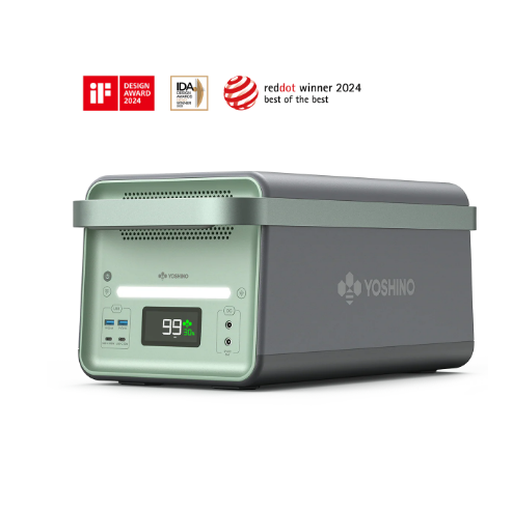
Why This Fits Their Persona: For users seeking a powerful, portable energy solution for more than just the balcony. Ideal for camping, workshop use, or as an emergency power supply (UPS function) during outages.
This is a portable power station, not purely a balcony solution. It bypasses the 'unrealistic profitability' trap for balconies because its value lies in its extreme flexibility and high output for various scenarios.
Very high capacity (3.6 kWh) and output (3600W). Uses solid-state battery technology for a high cycle life (4000 cycles) and enhanced safety. Integrated UPS function.
We have compiled a complete, real-time list of products that fully satisfy these strict selection criteria and UK safety regulations.
Yes, the investment can be worthwhile, especially with rising electricity prices and the continued VAT exemption (balcony power station 0% VAT). The key to financial viability is to size the system correctly for your consumption profile to maximise self-use. A system pays for itself fastest when the generated electricity is consumed directly or stored, rather than being fed into the grid for a low tariff.
For most modern systems, the installation is designed to be straightforward. True Plug and Play models do not require an electrician. The solar panels, battery, and inverter are connected using simple plugs, and the entire system is connected to a standard household socket. In Germany, all that's required is a simplified registration in the Market Master Data Register (Marktstammdatenregister) of the Federal Network Agency (Bundesnetzagentur), which can be done online in a few minutes.
Yes. Following recent legislative changes, balcony power stations are now considered a "privileged modification." This means tenants generally have a right to install one. While you must inform your landlord, they can now only refuse permission in exceptional, well-founded cases, such as if the building's structure would be significantly compromised or the facade is a listed heritage site. For most rental apartments, attaching a system to the balcony railing is unproblematic.