
Lieferung heute & morgen

Qualitätsgarantie

Willkommens-Angebote freischalten: KOSTENLOSE Lieferung | Bis zu 80 % RABATT | Kostenlose 30-Tage-JoyPlus-Testphase
App herunterladen
A balcony power station is an excellent first step toward lowering your electricity bills and contributing to the energy transition. However, the solar power you generate is often produced when no one is home to use it. The logical next step is a balcony power station with storage to save that solar energy for the evening and night. But the market is flooded with options, and not every solution delivers on its promises. Many users invest in systems that turn out to be impractical, incompatible, or not future-proof.
This guide highlights the most common pitfalls when purchasing a solar battery and explains which technical features truly matter. This will enable you to make an informed decision that fits your electricity needs and living situation.
Before choosing a model, you should be aware of the typical problems that can lead to a poor investment.
To avoid these mistakes, you should check three key technical specifications before buying. These determine the performance, safety, and future-viability of your system.
A battery's capacity is measured in kilowatt-hours (kWh) and indicates how much energy it can store. A good starting point is to determine your own nightly baseline consumption (refrigerator, router, standby devices).
However, the crucial feature is the option to expand. A modular system, where you can add more battery modules later, flexibly adapts to your future needs. Look for terms like "modular," "stackable," or "expandable up to X kWh."
Power, measured in watts (W), is just as important as capacity.
Choosing the right technology and construction is vital for safety and longevity.
Here are some recommendations tailored to different user profiles and their requirements.
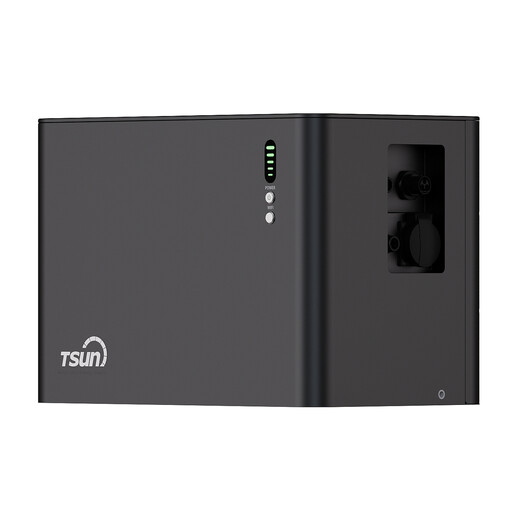
Why This Fits Their Persona: Ideal for users who want to start with a solid 2 kWh base capacity while keeping the option to easily expand their system as their needs grow. The all-in-one design significantly simplifies installation.
Its expandability up to 10.24 kWh prevents the "dead-end trap." As a hybrid system with an integrated inverter and 4 MPPTs, compatibility issues are avoided from the outset.
All-in-one solution: Battery, inverter, and energy management in a single unit. IP65 rating for safe outdoor use.
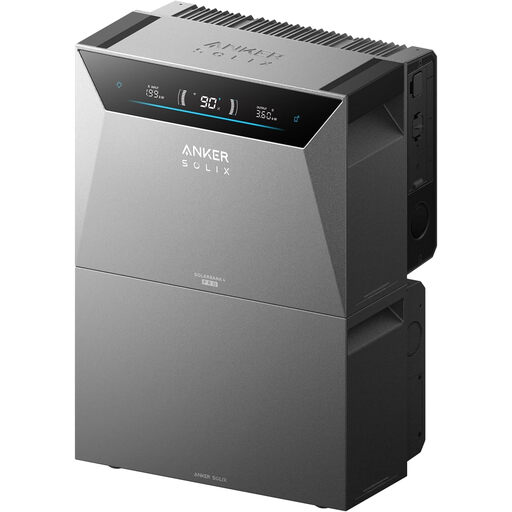
Why This Fits Their Persona: Perfect for tech-savvy homeowners seeking maximum performance and a high initial capacity. This system is designed for high self-consumption and future requirements like e-mobility.
With a starting capacity of 10 kWh and massive expandability to 30 kWh using the Anker BP5000 expansion, this system is ready for any future demand, avoiding the capacity bottleneck.
High Performance: 5000 W solar input and 2500 W bidirectional charging power. Plug & Play design for a straightforward setup.
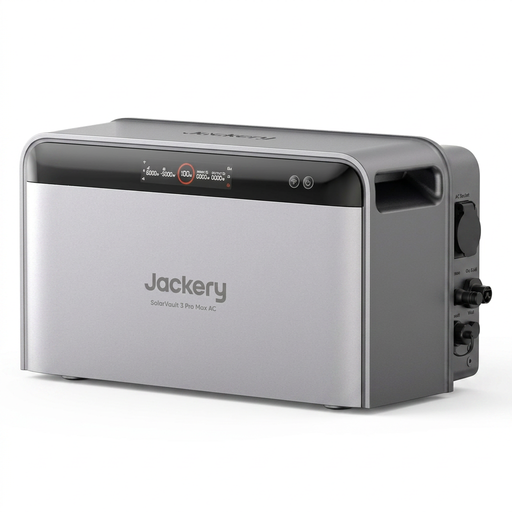
Why This Fits Their Persona: For anyone who already operates a balcony or rooftop PV system without storage and wants a simple way to retrofit it without altering the existing installation.
As an AC-coupled system, it simply connects to the home's grid and is compatible with all inverter brands. This completely solves the problem of incompatibility.
Easy Retrofitting: No rewiring or inverter replacement necessary. Expandable from 2.52 kWh up to 15.12 kWh.
We have compiled a complete, real-time list of products that fully satisfy these strict selection criteria and UK safety regulations.
The optimal size depends on your nightly electricity consumption. For most households, a capacity between 2 kWh and 5 kWh is a good starting point to cover the base load (e.g., refrigerator, Wi-Fi router, standby devices). It is advisable to choose a modularly expandable system so you can increase the capacity later if needed, rather than having to buy a completely new system.
In Germany, the balcony power station itself must be registered in the Market Master Data Register (MaStR) of the Federal Network Agency (Bundesnetzagentur). This is a simple, free online process. The battery itself is part of the "generation unit" and generally does not need to be reported separately, as long as the entire system complies with current regulations, such as the maximum feed-in power of 800 watts. Nevertheless, it is recommended to check with your local grid operator beforehand about their specific requirements.
LiFePO? stands for Lithium Iron Phosphate, a specific type of lithium-ion battery. This technology is considered particularly safe because it has high thermal stability and is less prone to overheating than other lithium chemistries. It is also characterized by a very long lifespan, often with 6,000 or more charge cycles, which can correspond to an operational life of over 15 years with daily use. For a durable and safe battery for a mini PV system, LiFePO? is the technology of choice.