
Lieferung heute & morgen

Qualitätsgarantie

Willkommens-Angebote freischalten: KOSTENLOSE Lieferung | Bis zu 80 % RABATT | Kostenlose 30-Tage-JoyPlus-Testphase
App herunterladen
A balcony power station is an effective step towards lowering your electricity bill and contributing to the energy transition. However, the solar power generated during the day is often not consumed when it's produced. A balcony power station with storage solves this problem by storing surplus energy for the evening and night, thereby increasing your self-consumption.
Choosing the right system can be overwhelming. Many offers sound tempting, but the details often hide costly disadvantages. This guide will show you which critical features to look for to make a future-proof and economical decision.
To avoid the mistakes mentioned above, you should check three core technical aspects before buying. These determine the performance, compatibility, and safety of your future home battery.
The capacity of a battery is measured in kilowatt-hours (kWh) and describes how much energy it can store. A typical base capacity for a balcony power station is 1 to 2 kWh. This is enough to cover a household's base load (refrigerator, router, standby devices) for several hours at night.
However, more important than the initial size is the ability to expand the capacity modularly. A system that can grow with your energy needs offers maximum flexibility. Look for products where additional battery modules can be easily added via plug-and-play.
The choice of coupling type is crucial for compatibility with your solar array.
The battery's cell chemistry is the heart of any storage system. The current industry standard for home batteries is LiFePO4 (Lithium Iron Phosphate). Compared to older lithium-ion technologies (like NMC or NCA), LiFePO4 batteries offer decisive advantages:
Therefore, always check if the manufacturer explicitly specifies LiFePO4 as the battery type and how many charge cycles are guaranteed at what depth of discharge (DoD).
Based on the criteria above, we have identified different systems for typical use cases.
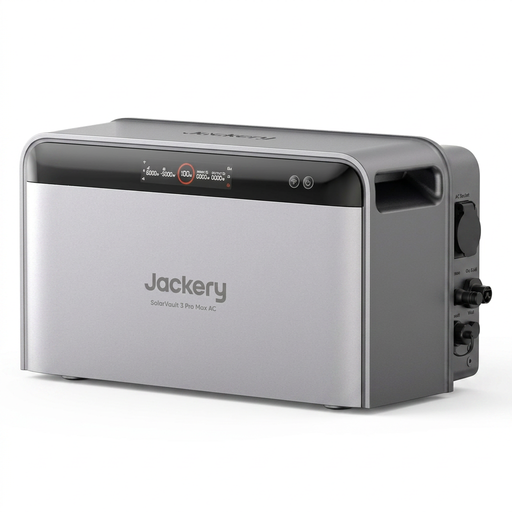
Why This Fits Their Persona: Ideal for users who already own a balcony power station or PV system and want to add storage without hassle. Installation is plug-and-play via a wall socket, with no changes to the existing wiring.
As an AC-coupled battery, it bypasses compatibility issues when retrofitting. The system is also modularly expandable from 2.52 kWh up to 15.12 kWh, making it future-proof.
Uses a long-lasting LiFePO4 battery with 6000 cycles. The high output power of 2500W can also supply high-draw appliances.
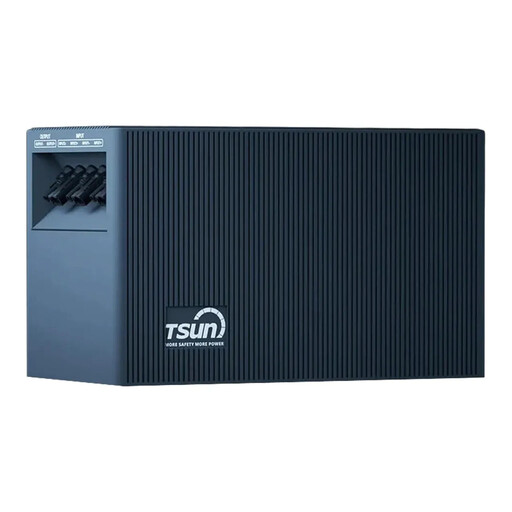
Why This Fits Their Persona: Perfect for users looking for a complete, all-in-one system from a single source who want to start small. The DC-coupled design is optimized for new installations.
The system is expandable from 2 kWh up to 10 kWh by simply stacking more battery modules. This avoids the "dead end" of a non-expandable system.
Uses a safe LiFePO? battery. The dual MPPT input of up to 2400W allows for the connection of up to four solar panels for optimal energy harvesting.
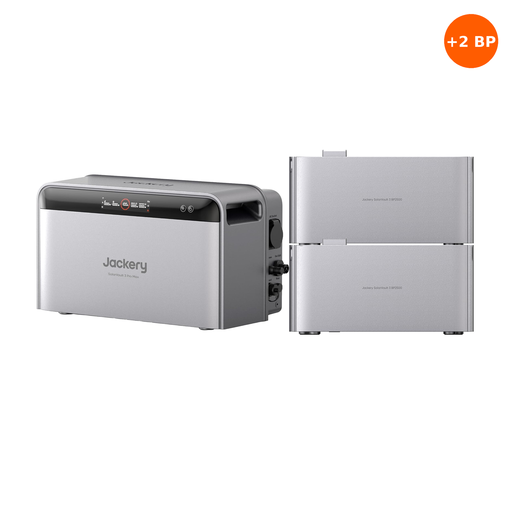
Why This Fits Their Persona: For households with high energy consumption aiming for maximum independence. The large capacity and high power output allow for the operation of many home appliances and provide solid home backup power.
This system is generously sized from the start and is also expandable. It avoids the need for a near-term replacement thanks to its high base capacity and scalability.
Enormous total capacity of 7.56 kWh and 2500W output power. Four MPPT trackers with 4000W PV input maximize the energy yield from the solar panels.
We have compiled a complete, up-to-date list of products that fully meet these strict selection criteria and German safety regulations.
Many modern systems, especially plug-and-play solar batteries with AC coupling, are designed for user self-installation. They simply plug into a wall socket. However, for DC-coupled systems or any work involving your home's electrical system, the installation should always be performed by a qualified electrician to ensure safety and compliance with standards.
A common rule of thumb is that the storage capacity in kWh should be about 1 to 1.5 times the peak power of your solar panels in kWp. For a typical 800-watt balcony power station (0.8 kWp), a battery with 1 to 2 kWh is a good starting point to cover the nightly base load. A modular design is advantageous here to be able to adjust the capacity as needed.
LiFePO4 stands for Lithium Iron Phosphate, a specific type of lithium-ion battery. This technology is considered the safest and most durable for use in home energy storage. It is thermally stable, which minimizes the risk of fire, and offers a very high cycle life (often over 3,000 charge cycles), ensuring the battery's longevity. Choosing a LiFePO4 battery is a decision for safety and durability.