
Lieferung heute & morgen

Qualitätsgarantie

Willkommens-Angebote freischalten: KOSTENLOSE Lieferung | Bis zu 80 % RABATT | Kostenlose 30-Tage-JoyPlus-Testphase
App herunterladen
A balcony power station is an effective step toward lowering your electricity bill and contributing to the energy transition. However, the solar power generated during the day is often produced when household consumption is at its lowest. A balcony power station with storage solves this problem by storing surplus energy for the evening and night hours. The market for such systems is growing, but with more choice comes a greater risk of falling into expensive traps.
Many buyers invest in systems that don't deliver on their promises. The most common problems include:
This guide will help you navigate these pitfalls and make an informed decision based on technical facts, not marketing hype.
Before making a purchase, you should understand three core technical aspects. These determine whether a balcony solar system with storage is suitable for your needs.
This is the most important technical distinction, especially if you want to retrofit a PV storage system.
These two values are often confused but are crucial for functionality.
Pay attention to the specified battery technology. Modern systems almost exclusively use Lithium Iron Phosphate (LiFePO4 solar storage) batteries. Compared to older lithium-ion technologies (like NMC), LiFePO4 cells offer decisive advantages:
Here are some configurations tailored to specific user profiles and their requirements.
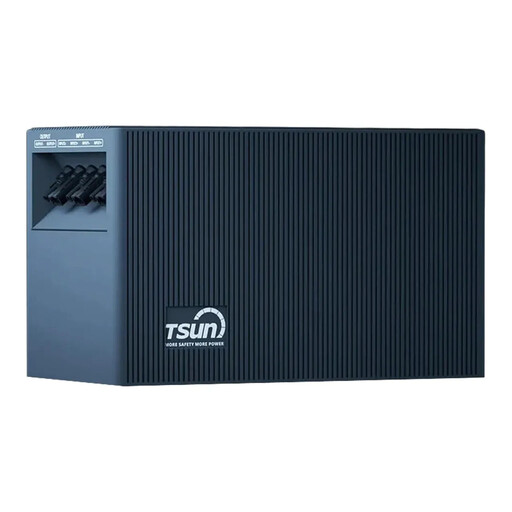
Why This Fits Their Persona: Ideal for anyone planning a new plug-in solar system with storage as a complete package. The DC-coupled design ensures high efficiency, as the solar power is stored directly in the battery without conversion losses.
Designed as an integrated system, it bypasses the incompatibility trap between storage and inverter from the outset. Everything is perfectly matched.
2 kWh LiFePO? battery, expandable up to 10 kWh. Dual-MPPT for optimized solar yield from up to four panels, even with different orientations.
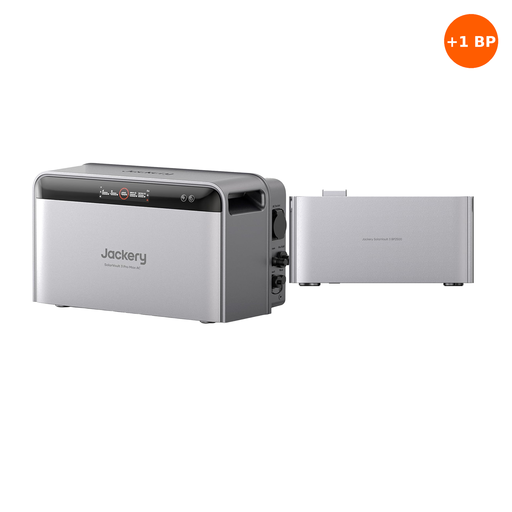
Why This Fits Their Persona: Specifically for users who already own a balcony power station and want to retrofit a PV storage system. The AC-coupling allows for easy integration into the existing home grid without altering the current PV installation.
As an AC-coupled storage system, it is explicitly designed for integration with existing microinverters. The plug-and-play principle minimises the risk of compatibility issues.
Large total capacity of 5.04 kWh and a high output power of 2500 W, capable of powering even high-demand household appliances.
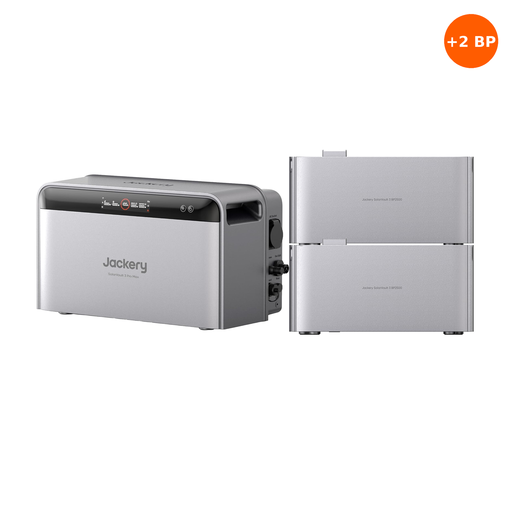
Why This Fits Their Persona: For homeowners and demanding users seeking maximum capacity, power, and a reliable emergency power supply. This expandable solar storage system also covers high energy demands.
The 7.56 kWh capacity is generously sized to avoid the trap of undersized storage. The 2500 W emergency power function is robust enough to reliably supply essential loads during an outage.
Very high total capacity, 4000 W PV input power via 4 MPPT trackers for maximum solar harvest, and a powerful 2500 W backup function.
We've compiled a complete, up-to-date list of products that fully meet these strict selection criteria and German safety regulations.
The optimal size depends on your nightly electricity consumption. As a rule of thumb: determine your household's base load (devices that run 24/7, like the refrigerator, Wi-Fi router, etc.). This is often between 100 and 200 watts. To bridge 8 to 10 hours overnight, a storage capacity of 1 to 2 kWh is a good starting point. A larger storage system offers more self-sufficiency but is also a higher investment.
No, this is one of the most common and costly mistakes. Compatibility is crucial. If you already operate a system with a microinverter, you will typically need an AC-coupled storage system. This is connected on the grid side and is designed for retrofitting. DC-coupled storage systems are usually only compatible with the inverters specified by the manufacturer and are suitable for new installations.
The term is used in different ways. A simple "backup function" often only powers a single, integrated outlet on the storage unit itself with low power during an outage. A true emergency power function (also known as UPS or EPS) can, however, continue to supply a part of your home's grid and switches over automatically during an outage. Pay close attention to the power specifications (in watts) and the type of switchover to ensure the function meets your requirements.