
Lieferung heute & morgen

Qualitätsgarantie
App herunterladen
Kategorien
Choosing the right balcony screening is a functional decision that depends on your specific needs for privacy, wind protection, and material durability. An effective privacy screen for your balcony not only enhances seclusion but can also serve as a windbreak, making your time outdoors more comfortable. The final product choice should be based on a careful analysis of material properties, dimensions, and installation methods.
Before making a purchase, it's essential to evaluate the technical specifications. The most important distinguishing features are the material, density, and mounting type.
The two most common materials for balcony screens are HDPE and PVC. Each material offers specific advantages and disadvantages relevant to different use cases.
HDPE (High-Density Polyethylene): This material is a high-density polyethylene fabric. A key feature of an HDPE privacy screen is its air and wind permeability. The fabric reduces strong gusts of wind without creating a "sail effect" that could put excessive strain on the fastenings and the balcony railing. HDPE is also UV-stabilised, ensuring high durability under sun exposure. It is tear-resistant and resilient against weathering.
PVC (Polyvinyl Chloride): A privacy screen mat made of PVC consists of rigid or flexible plastic slats. PVC solutions generally offer higher opacity and are therefore almost completely opaque. The material is waterproof and very easy to clean. Due to its lower air permeability, it is crucial to ensure an especially stable installation to prevent damage in high winds.
Based on technical specifications and practical utility, we present a selection of products here.
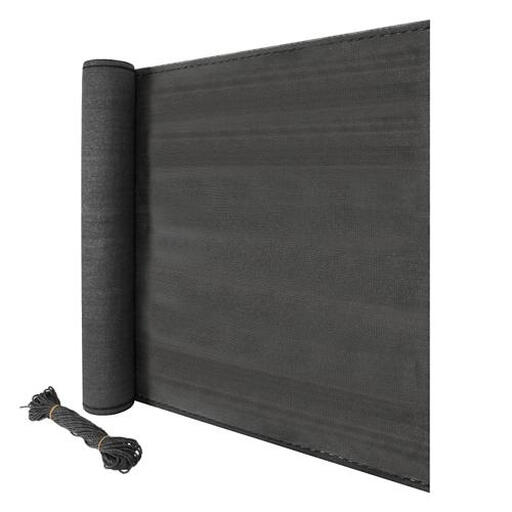
Why we recommend this product: With its generous dimensions of 1.8 x 15 metres, this model is particularly well-suited as a privacy screen for fences or very long balcony railings. The HDPE material, with a weight of 180 g/m², offers a good balance between privacy and wind permeability.
Pros:
Who it's for: Individuals with large balconies, terraces, or gardens who need a long, continuous fence screen and value a wind-permeable material.
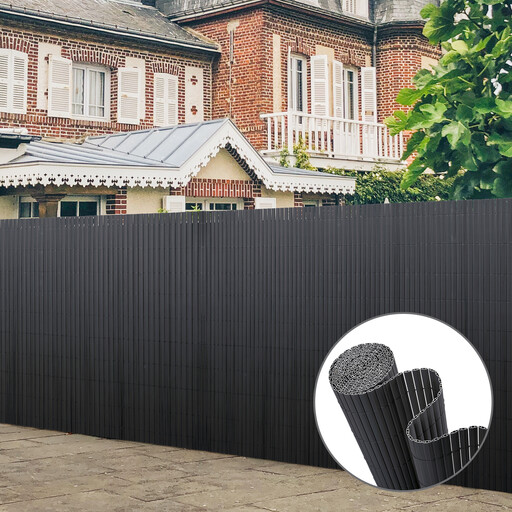
Why we recommend this product: The Sekey privacy screen mat made of PVC stands out due to its double-reinforced internal structure. This design gives the individual slats greater stability and break resistance compared to hollow or single-reinforced models.
Pros:
Who it's for: Users of standard balconies who prefer a highly opaque balcony screening with excellent stability and minimal maintenance.
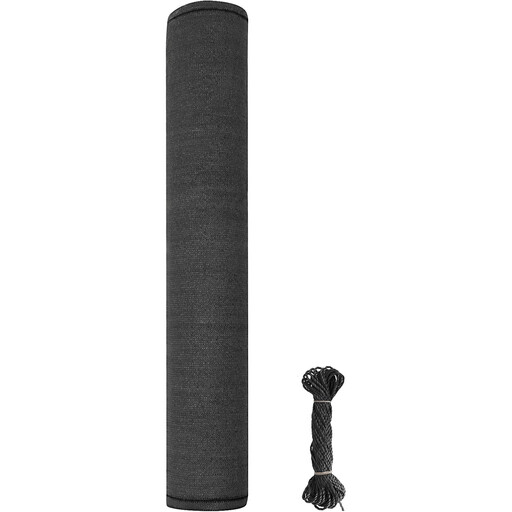
Why we recommend this product: This HDPE privacy screen netting is a versatile product distinguished by its adaptability. According to the manufacturer, the netting can be cut to the desired size without fraying, making it exceptionally flexible for custom projects.
Pros:
Who it's for: DIY enthusiasts and users with non-standard dimensions who are looking for a flexible and customisable solution for various outdoor areas.
The products presented here represent a selection based on specific technical features. For a broader overview of materials, sizes, and designs suitable for fences and other boundaries, you can find more solutions in our Garden Fence Privacy Screen category.
1. How do I install a balcony privacy screen correctly and securely? Installation is typically done using the eyelets attached to the balcony screen. Thread the provided cable ties or a sturdy cord through the eyelets and fasten them tightly to the balcony railing. Ensure even tension to prevent sagging. For windy locations, use additional attachment points to distribute the load.
2. Which material is better for a very windy balcony, HDPE or PVC? For locations with high wind loads, an HDPE privacy screen is generally the better choice. The woven material is air-permeable, which reduces the "sail effect" and minimises stress on the railing and fastenings. A rigid PVC mat catches the wind completely and requires an extremely stable anchoring system.
3. Can I cut a privacy screen to the right size? Whether a privacy screen can be cut depends on the material and its construction. HDPE netting, like the featured EUGAD model, can often be trimmed without fraying, according to the manufacturer. Cutting PVC mats is more complicated and can weaken the structure. It is recommended to check the product description carefully or choose a size that matches your dimensions as closely as possible.