
Lieferung heute & morgen

Qualitätsgarantie

Willkommens-Angebote freischalten: KOSTENLOSE Lieferung | Bis zu 80 % RABATT | Kostenlose 30-Tage-JoyPlus-Testphase
App herunterladen
A balcony or terrace extends your living space into the great outdoors. However, finding an undisturbed moment can be a challenge, whether due to prying eyes, intense sun, or unpleasant wind. The right privacy screen can transform these areas into private retreats. This guide will help you find a functional and suitable solution for your needs by objectively presenting various concepts and products.
The decision for a privacy screen depends on several factors. The following points will help you define the requirements for your outdoor space.
The material is a key determinant of durability and functionality. Common materials include:
A product declared as weatherproof should be able to withstand rain, wind, and sun exposure over extended periods.
Installation options are a critical criterion, especially for renters.
Consider the main purpose the screen should serve:
Based on functionality and applications, we have compiled a selection of different products that cover various requirements.

Why it stands out: With its dimensions of 2x10 metres, this fence screen offers a large-scale and flexible solution. The material and simple attachment make it a versatile all-rounder for various outdoor areas.
Benefits:
Who it's for: Ideal for users who want to cover a long balcony front, a garden fence, or a tennis court cost-effectively and efficiently. The simple installation also makes it a practical option for renters.
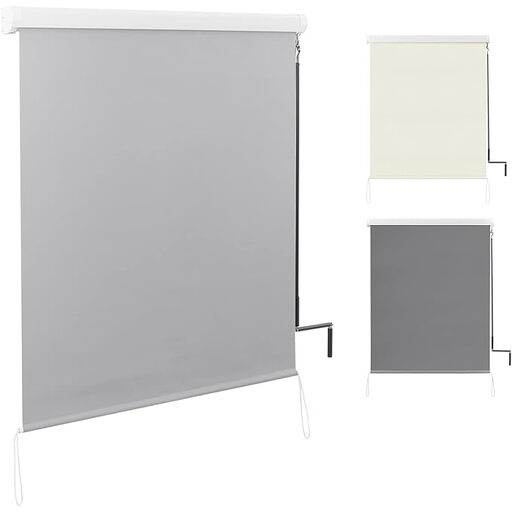
Why it stands out: This vertical awning combines flexible sun and privacy protection with a robust construction. The aluminium cassette protects the fabric from the elements when retracted and ensures a clean look.
Benefits:
Who it's for: Suitable for balcony and terrace owners who are looking for a durable, flexible, and visually appealing solution for sun protection on the terrace and privacy, and who have the option for wall mounting.
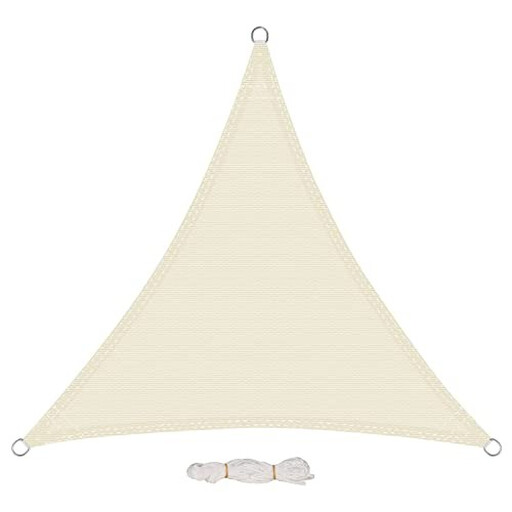
Why it stands out: The sun shade sail is a modern and stylish alternative to classic umbrellas. It allows for shading larger areas and creates an airy atmosphere with its shape.
Benefits:
Who it's for: Perfect for anyone looking for a flexible and large-area shading solution for their garden, terrace, or a large balcony. It is also well-suited for use when camping.
The products presented here cover common use cases. However, there is a multitude of other specialised solutions, from side awnings to balcony fans. If you are looking for further alternatives or different dimensions, you may find the right product in our broader selection.
Discover More Wind Protection Solutions
1. As a tenant, am I allowed to install a privacy screen on my balcony? As a rule, mobile solutions that are attached to the railing without drilling (e.g., mats, fabrics) are permitted, as long as they are securely mounted and do not significantly detract from the building's appearance. For fixed installations like awnings that interfere with the building's structure, written permission from the landlord is mandatory. A look at the house rules or a conversation with the property management can provide clarity.
2. What is the difference between HDPE and polyester as privacy screen materials? HDPE (High-Density Polyethylene) is a robust plastic fabric that is typically air- and water-permeable. This makes it ideal for windy locations and prevents heat build-up. Polyester is a textile fabric that is often coated to make it water-repellent and opaque. It generally offers a higher level of sun protection but is less breathable.
3. How do I tension a sun shade sail correctly? For optimal tension and to prevent water pooling, a sun shade sail should be installed with an incline of about 20 to 40 degrees. Tension the sail across the diagonals to achieve an even and taut surface. Use sturdy anchor points such as house walls, solid posts, or strong trees. In case of strong wind or storms, the sail should be taken down as a precaution.