
Lieferung heute & morgen

Qualitätsgarantie

Willkommens-Angebote freischalten: KOSTENLOSE Lieferung | Bis zu 80 % RABATT | Kostenlose 30-Tage-JoyPlus-Testphase
App herunterladen
A balcony or patio extends your living space into the great outdoors. To enjoy this area without disturbance, an effective privacy screen is essential. It not only shields you from prying eyes but can also serve as a windbreak or provide shade. However, the range of materials and systems is vast, from permanently installed balcony coverings to flexible folding screens.
This guide is designed to help you make an informed decision. We will introduce various types of privacy solutions and explain which criteria are most important when choosing one for your balcony, patio, or garden.
To find the right solution, three key aspects should be considered: the material, the mounting method, and the degree of opacity.
The material is a key factor in determining the durability and maintenance requirements of your privacy screen.
The type of installation depends on the structural conditions of your space and your personal needs.
Making a privacy screen opaque is often the main goal. The degree of opacity is usually specified as a percentage (e.g., 85% shade factor). A higher value means more privacy and sun protection. At the same time, wind permeability is an important factor. A completely solid screen presents a large surface area for the wind to push against. Materials with some air permeability (e.g., 10%) reduce the strain on the fastenings and the material itself.
Based on the criteria mentioned, we have compiled a selection of functional products that cover different requirements.

Why It's a Great Choice This privacy screen is made of robust HDPE fabric with a material weight of 180 g/m?. According to the manufacturer, it offers a high tear resistance of approx. 450–500 N/5 cm and a tear propagation resistance of approx. 150 N. The reinforced edges and integrated metal eyelets spaced 1.5 cm apart allow for stable and easy installation. With a shade factor of over 85%, it ensures reliable privacy.
Pros
Who Is It For? Ideal for users looking for a durable, permanently installed balcony covering or a garden privacy screen for a fence. Its simple installation and resilient material make it a practical long-term solution.
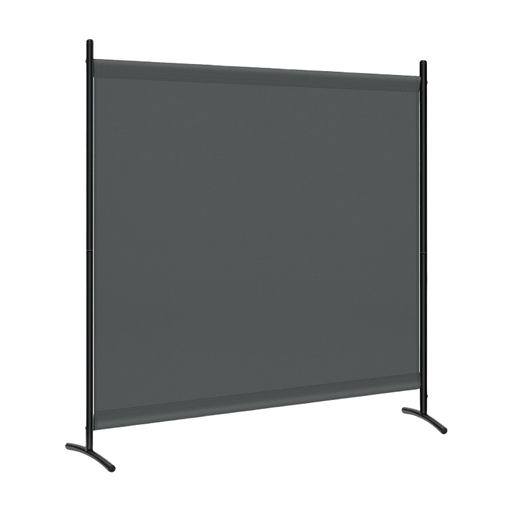
Why It's a Great Choice This freestanding outdoor room divider combines a sturdy tubular steel frame with a weatherproof polyester fabric (160 g/m?). According to the manufacturer, the fabric's PA coating makes it water-repellent and provides sun protection. Thanks to its low weight, the screen is easy to move and versatile in its use.
Pros
Who Is It For? Perfect for anyone who needs a mobile and straightforward solution for a patio privacy screen or balcony. It's ideal for temporarily creating a sheltered area without needing a permanent installation.
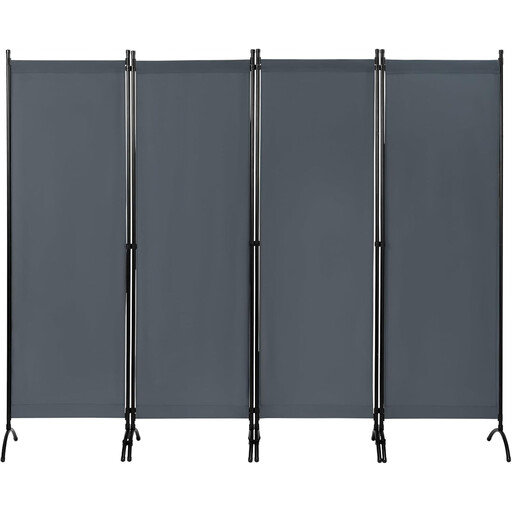
Why It's a Great Choice This 4-panel outdoor folding screen offers extensive coverage with a total width of 224 cm. The individual panels are foldable, allowing for flexible positioning and space-saving storage. Like the 1-panel model, it consists of a tubular steel frame and a PA-coated polyester fabric (160 g/m?) that offers protection from the sun and light rain.
Pros
Who Is It For? An excellent choice for users who want to flexibly screen off a large area. Whether on a spacious patio or in the garden, this folding screen creates a private retreat in no time.
Haven't found the right solution for you yet? Many other models and systems are available for different applications. Discover a wider selection of garden dividers and find the product that perfectly matches your requirements.
The most common method for attaching a privacy screen mat to a railing is with cable ties or tear-proof cords. These are threaded through the eyelets integrated into the screen's hem and pulled tightly around the railing struts. Ensure taut and even tension to prevent sagging or flapping in the wind.
HDPE (High-Density Polyethylene) fabric is considered very weatherproof. It is UV-resistant, impervious to moisture, and extremely tear-proof. Polyester with a high-quality PA or PU coating is also well-suited for outdoor use, as it is water-repellent and dries quickly.
Yes, many privacy solutions also function as an effective balcony windbreak. Fabrics like HDPE, which have low wind permeability, noticeably reduce the wind load on the balcony. However, with freestanding screens, you should ensure they have a secure footing in strong winds or take them down as a precaution.