
Lieferung heute & morgen

Qualitätsgarantie

Willkommens-Angebote freischalten: KOSTENLOSE Lieferung | Bis zu 80 % RABATT | Kostenlose 30-Tage-JoyPlus-Testphase
App herunterladen
A balcony or terrace extends your living space into the great outdoors. However, true relaxation is often only possible when you are shielded from prying eyes, harsh sunlight, or draughty winds. The right balcony screen can provide a solution, transforming your outdoor area into a private oasis.
This article serves as a guide. It introduces various solutions and highlights their specific features to provide you with an objective basis for your decision. We will look at materials, mounting types, and functional differences to help you find the perfect solution for your balcony, terrace, or garden.
Before you make a decision, several fundamental aspects should be considered. The choice of material and mounting method depends directly on the desired purpose: Should the screen primarily serve as a balcony privacy screen, a terrace windbreak, or as weather protection in the garden?
The material is a key determinant of your screen's function and durability.
The method of attachment is crucial for stability and flexibility of use.
Here is a selection of different products that meet various requirements for a balcony screen.
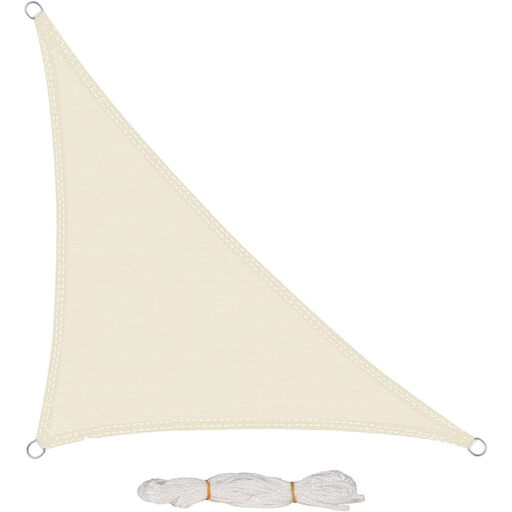
What Makes It Stand Out The EUGAD Sun Shade Sail is made of an HDPE fabric with a density of 200 g/m?, which blocks over 90% of UV rays according to the manufacturer. Its special feature is its breathability: air and water can pass through the material, which prevents heat build-up and avoids water pooling during rain. The right-angled triangle shape is practical for installation in the corners of terraces or balconies.
Advantages
Who Is It For? This sun shade sail is ideal for users looking for an effective shade provider for hot summer days who also value good air circulation. It is suitable for balconies, gardens, and terraces where the primary focus is on sun protection rather than rain protection.
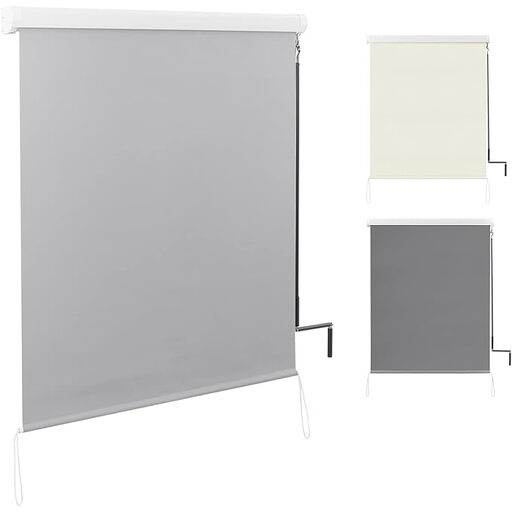
What Makes It Stand Out This vertical awning from WOLTU combines privacy, sun, and light weather protection in one flexible system. The awning fabric, made of 450 g/m? polyester with a PU coating, offers a sun protection factor of 90–95% according to the manufacturer. When not in use, the fabric is protected from the elements by an aluminium cassette. The height can be seamlessly adjusted using a detachable hand crank.
Advantages
Who Is It For? The vertical awning is a great choice for anyone looking for a flexible and discreet solution for their balcony or terrace. It is ideal for shielding against prying eyes or the low-lying sun as needed, and can be easily retracted when not in use.
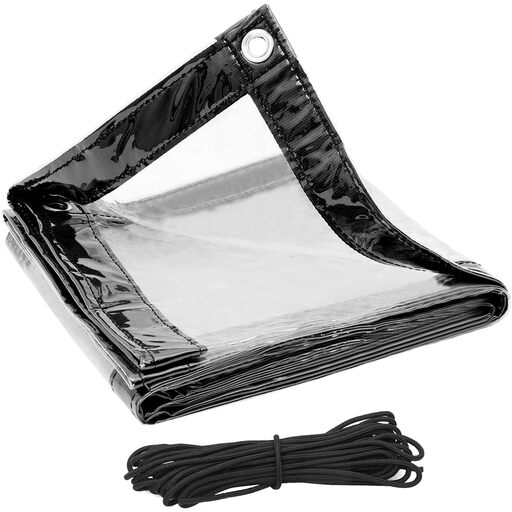
What Makes It Stand Out This tarpaulin from Woltu is made of robust, transparent PVC and, with a weight of 380 g/m?, offers reliable and completely waterproof protection. Unlike opaque tarps, it allows light to pass through, making it ideal for overwintering plants in a greenhouse or as rain protection for a gazebo without darkening the area. The edges are reinforced and fitted with rust-free aluminium eyelets every 50 cm, enabling secure attachment.
Advantages
Who Is It For? This tarpaulin is the right solution for users who need year-round, robust weather protection for the garden, terrace, or balcony. It is particularly well-suited for protecting garden furniture, equipment, or areas from rain and wind without sacrificing natural light.
The products presented already cover a wide range of applications. However, if you are looking for a different size, colour, or a specific solution like a retractable side awning, there are many more possibilities to discover.
Browse our extended range to find the right solution for you. Discover a wider selection of solutions in our Veranda Awnings category.
Which balcony screen is best for high winds? In high winds, wind-permeable materials like HDPE fabric (often used for sun shade sails) are advantageous as they offer less surface area for the wind to catch. For solid, non-permeable materials like a vertical awning or a PVC tarpaulin, an extremely stable mounting is crucial. It is recommended to retract or remove such screens during storm warnings to prevent damage.
As a tenant, do I need permission for a balcony screen? Simple, no-drill solutions like a balcony cover that is attached to the railing are generally permitted without approval. For permanently installed systems that constitute a structural change (e.g., drilling into the facade for an awning cassette), prior consultation with the landlord or property management is strongly advised. A look at your rental agreement or house rules often provides initial guidance.
Which material offers the best UV protection? Both HDPE fabric and coated polyester offer high UV protection. Many manufacturers explicitly state the protection factor, often with values exceeding 90%. For a reliable figure, you should always check the product description from the respective manufacturer, as the quality and density of the material are decisive.