
Lieferung heute & morgen

Qualitätsgarantie

Willkommens-Angebote freischalten: KOSTENLOSE Lieferung | Bis zu 80 % RABATT | Kostenlose 30-Tage-JoyPlus-Testphase
App herunterladen
A balcony power station is a first step towards energy independence and lower electricity bills. However, the solar power it generates is often produced when no one is home to use it. A balcony solar storage system solves this problem by saving surplus energy for the evening hours or cloudy days. But the market is flooded with options, and not every solution delivers on its promises. Before you make a purchasing decision, you should be aware of the typical pitfalls that can lead to a bad investment.
The 3 Most Common Pitfalls When Buying a Solar Battery:
To avoid these pitfalls, you should focus on the technical specifications. Three parameters are crucial for selecting a suitable and durable storage system.
The way the storage unit is integrated into your system is fundamental.
For most owners of an existing balcony power station, an AC-coupled system is the more straightforward and flexible choice.
The battery technology determines the safety and lifespan of your storage unit. Today's standard for home storage is the LiFePO4 battery (Lithium Iron Phosphate). Compared to older NCM (Nickel Cobalt Manganese) batteries, LiFePO4 cells offer decisive advantages:
These two values are often confused but are crucial for practical use.
Check which devices you want to power and match their power consumption with the storage unit's output power.
Based on these objective criteria, we have identified different models for typical use cases.
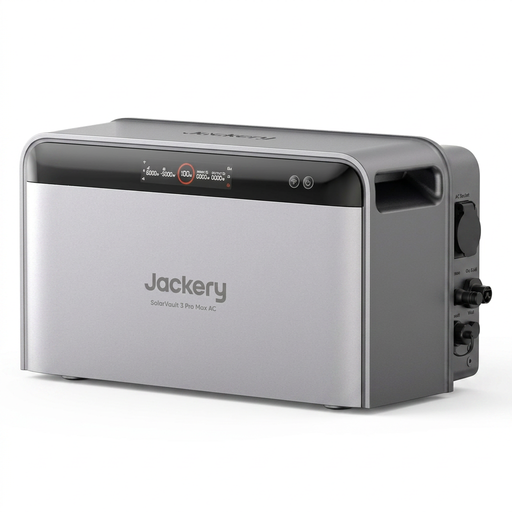
Why this model is a great fit: Ideal for anyone looking to easily retrofit their existing balcony power station with a storage unit. The AC-coupling allows for a simple plug-&-play installation without interfering with the current setup.
The AC-coupled design is compatible with all common inverters and solar panels, thus bypassing the compatibility trap (Pitfall 1). The installation requires no specialist electrical knowledge.
The high output power of 2500 W can also supply high-demand household appliances. The capacity is modularly expandable from 2.52 kWh to over 15 kWh, growing with your needs.
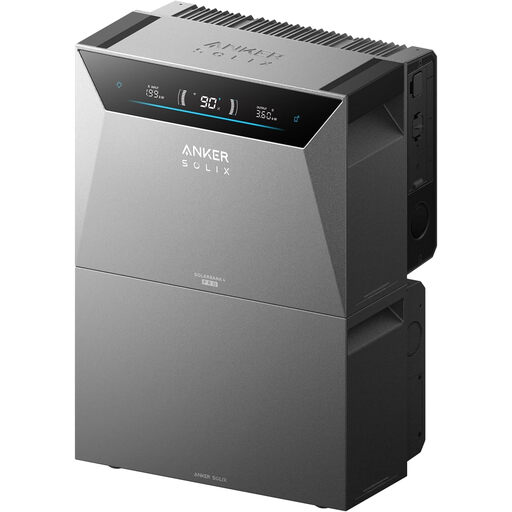
Why this model is a great fit: For homeowners and demanding users who want to cover a large portion of their electricity needs and ensure a reliable emergency power supply. This system offers a high base capacity and enormous expansion options.
Longevity is transparently guaranteed by using LiFePO4 cells rated for 10,000 cycles (Pitfall 2). The modular design with clearly defined expansion batteries (BP5000) prevents hidden costs (Pitfall 3).
A high base capacity of 10 kWh, expandable up to 30 kWh. The 4 MPPT trackers allow for the connection of up to 12 solar panels for maximum solar yield.
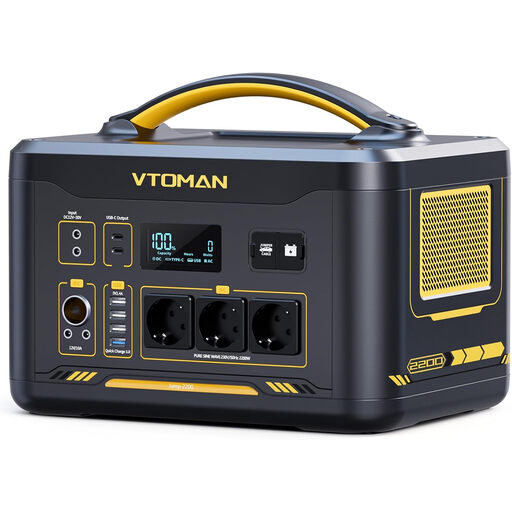
Why this model is a great fit: For anyone looking for a flexible solution. This power station serves as a mobile power supply for camping and outdoor activities, but can also be used as a temporary solar backup generator at home.
As a standalone device, it is not dependent on compatibility with a home system. The specifications are clearly designed for mobile use and emergency power, which prevents false expectations.
High portability combined with a strong output of 2200 W and numerous ports (AC, USB-C, 12V). The capacity is expandable to over 3 kWh with an additional battery.
We have compiled a complete, up-to-date list of products that fully meet these strict selection criteria and UK safety regulations.
The lifespan of a storage battery depends heavily on the cell chemistry used and how it's operated. Modern LiFePO4 batteries are designed for a long service life. Pay attention to the specified charge cycles in conjunction with the remaining capacity (SOH). A high-quality system should still have at least 70-80% of its original capacity after 3,000 to 6,000 cycles. With daily use, this corresponds to a realistic lifespan of 10 to 15 years.
No. Compatibility is crucial. The easiest method for retrofitting is an AC-coupled storage unit, which plugs into a wall outlet and works with most microinverters. For DC-coupled systems, the storage unit and inverter must be perfectly matched. Always check the manufacturer's compatibility list before purchasing.
The economic viability depends on your electricity consumption profile, the current price of electricity, and the purchase cost of the storage unit. A storage unit is particularly worthwhile if you consume little electricity during the day and would otherwise feed your self-generated solar power into the grid unused. By storing and consuming it in the evening, you maximise your self-consumption, lower your electricity bill, and increase your independence from your energy provider.