
Lieferung heute & morgen

Qualitätsgarantie

Willkommens-Angebote freischalten: KOSTENLOSE Lieferung | Bis zu 80 % RABATT | Kostenlose 30-Tage-JoyPlus-Testphase
App herunterladen
A balcony solar system with battery can store surplus solar power generated during the day for use in the evening or overnight. This is particularly useful for homeowners and eligible tenants in Germany who use very little electricity during the day. However, the advertised capacity in kilowatt-hours is not the only factor that determines whether a system is right for your household.
A 5 kWh balcony solar battery sounds like a clear indication of size. However, it’s important to check whether the stated capacity is the nominal capacity or the amount of energy you can actually use. There will also be energy losses through the inverter, charging electronics and temperature conditions.
So compare:
A bigger battery isn’t automatically more cost-effective. If you only generate a few kilowatt-hours of surplus during the day, you may not be able to make regular use of a very large battery.
A plug-and-play solar battery can make choosing and setting up a system easier. Even so, the PV inputs, inverter, connectors, safety measures and intended installation location all need to be compatible. Grid-connected systems must also comply with technical connection rules.
Pay particular attention to:
A connection via a Wieland socket may require a qualified electrician. Before operating the system, you should also check the requirements currently in force from your grid operator and register it in the Market Master Data Register.
An expandable battery storage system is only practical if additional modules are genuinely compatible with the base unit. Some models can be expanded modularly, while others are only available with a fixed capacity. Batteries from different product ranges or manufacturers are not automatically compatible either.
So check the following before you buy:
Capacity is stated in kWh and describes how much energy the battery can theoretically store. Power, measured in watts, indicates how quickly energy can be charged, discharged or supplied to appliances. A battery with high capacity but low output power may not be able to run every high-powered household appliance.
When choosing a solar battery for your balcony, make a note of your typical evening electricity use. This might include your fridge, router, lighting, TV, computer and chargers. Electric heaters, heat pumps and cooking appliances need considerably more power and may exceed the capabilities of a small system.
PV input power shows how much solar power the battery or its inverter can take in. Multiple MPPT trackers can be useful if your solar panels face different directions, as each input can regulate its operating point independently.
The PV output of your panel array must not exceed the battery’s permitted values. The open-circuit voltage and input current of the solar panels must also be within the manufacturer’s stated limits.
LiFePO4 solar batteries use lithium iron phosphate cells. The cell chemistry is not the only thing to consider: the battery management system, temperature range, safety features and enclosure design also matter. An ingress protection rating such as IP65 or IP66 describes protection against dust and water under the relevant test conditions. It doesn’t replace suitable installation in locations exposed to persistent rain, standing water or direct overheating.
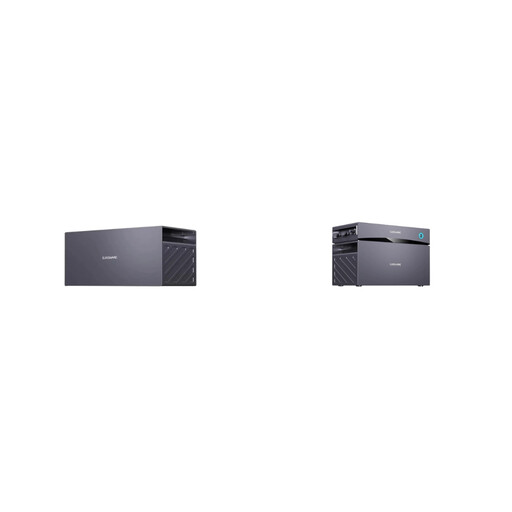
Why this product suits this profile: With a 1.52 kWh expansion battery and an 800 W microinverter, this system is aimed at households with modest evening electricity use and a small balcony solar system.
The capacity and 800 W output power are clearly stated. The product information also explains that the system can be expanded to up to five modules.
1.52 kWh module, 800 W microinverter, app connectivity and IP65/IP67 protection ratings, according to the product description.
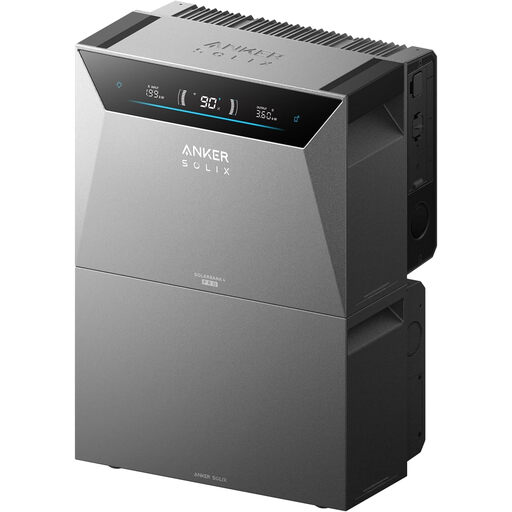
Why this product suits this profile: With 10 kWh of initial capacity, four MPPT inputs and 5,000 W of PV input power, this system is designed for households with higher solar generation.
The initial capacity and the option to expand the system to 30 kWh are listed separately. This helps distinguish the standard configuration from the potential expanded capacity.
10 kWh system capacity, 2,500 W bidirectional charging and four MPPT channels, according to the product information.
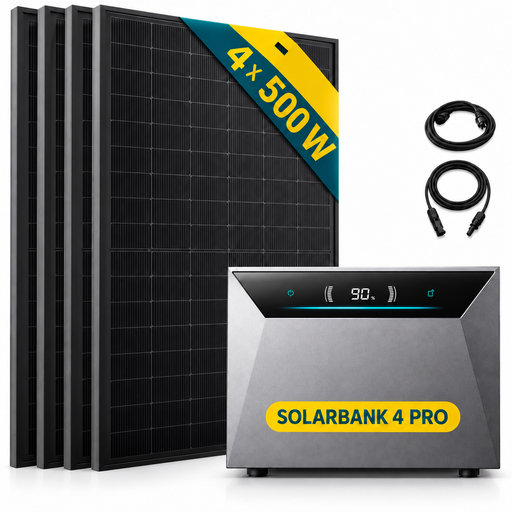
Why this product suits this profile: This set pairs a battery with four 500 W solar panels, making it a good choice for anyone planning their solar generation and storage together.
The four solar panels are explicitly listed as included. Components sold separately, such as the smart meter, expansion battery and Power Dock, are clearly identified.
5 kWh base capacity, 2,000 W PV output in the set and four MPPT trackers, according to the product description.
We’ve put together a complete, regularly updated list of products that meet these strict selection criteria and fully comply with the safety regulations in force in the EU.
It depends on your daily surplus and how much electricity you use after sunset. A battery with a capacity of around 1 to 3 kWh may suit a small household. Larger systems of around 5 kWh or more need correspondingly higher solar generation or greater evening consumption to ensure their capacity is used regularly.
There’s no one-size-fits-all answer when it comes to cost-effectiveness. The key factors are the purchase price, electricity consumption, self-consumption rate, orientation of the solar panels, local sunshine levels and expected service life. Compare the additional cost of the battery with the amount of energy you’re likely to avoid buying from the grid.
Only if the battery specifically has a suitable backup or UPS function and is designed for the relevant connection. For safety reasons, a standard grid-connected output will generally switch off during a power cut. Before you buy, check the information on the emergency power output, switching time, permitted load and installation requirements.