
Lieferung heute & morgen

Qualitätsgarantie

Willkommens-Angebote freischalten: KOSTENLOSE Lieferung | Bis zu 80 % RABATT | Kostenlose 30-Tage-JoyPlus-Testphase
App herunterladen
Rising electricity prices and a desire for greater independence from energy providers are motivating many people to consider generating their own power. A balcony solar system with battery storage offers a practical solution. It not only allows you to generate solar energy during the day but also to store it for use in the evening or on cloudy days. This helps you maximize your self-consumption and significantly reduce your electricity bill.
As your Joybuy Product Recommendation Officer, I've surveyed the market to provide you with guidance. This article explains what to look for when choosing a system and presents a selection of models suited for different requirements.
Choosing the right system depends on several technical factors. Three aspects are especially important.
Storage capacity, measured in kilowatt-hours (kWh), determines how much energy you can store. A higher capacity allows you to save more power for nighttime use or for days with little sun. The power output, measured in watts (W), indicates how much electricity the battery can deliver to your home appliances at once. Analyse your typical overnight energy consumption to choose a suitable capacity. Many modern systems use LiFePO4 (Lithium Iron Phosphate) batteries, known for their long lifespan and high cycle stability.
If you already own a mini solar setup, the ability to retrofit a battery to your balcony solar system is crucial. Check if the battery you want is compatible with your existing inverter. Modular systems offer the advantage of starting with a smaller capacity and expanding it later as your needs grow. A plug-and-play solar battery greatly simplifies installation, as it often just needs to be connected between the solar panels and the wall outlet.
MPPT stands for "Maximum Power Point Tracking." An MPPT tracker optimises the output of each connected solar panel. Systems with multiple MPPTs are especially beneficial if your solar panels face different directions (e.g., east and west) or are partially shaded. Each tracker operates independently, so a shaded panel won't reduce the performance of the others. This maximises the total energy yield of your plug-in solar system with battery storage.
Based on these criteria, we've compiled a selection of systems that cater to a variety of needs.
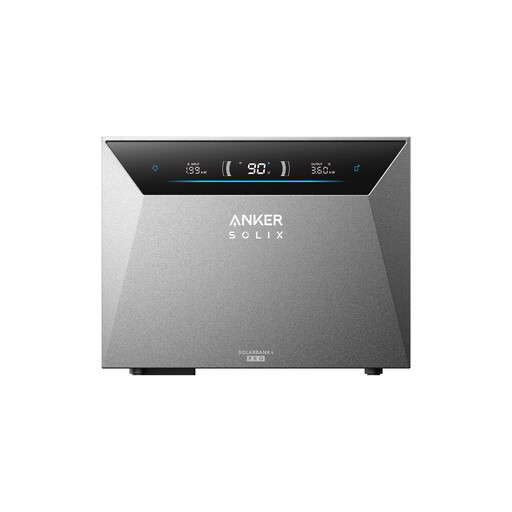
Why it stands out: The Anker SOLIX Solarbank 4 Pro is engineered for high performance and scalability. With four MPPTs and a potential solar input of up to 5000 W, this system is ideal for users seeking a powerful and future-proof solution.
Pros:
Who is it for? This system is aimed at homeowners with higher energy demands or users who plan to gradually expand their solar setup to save on electricity costs long-term.
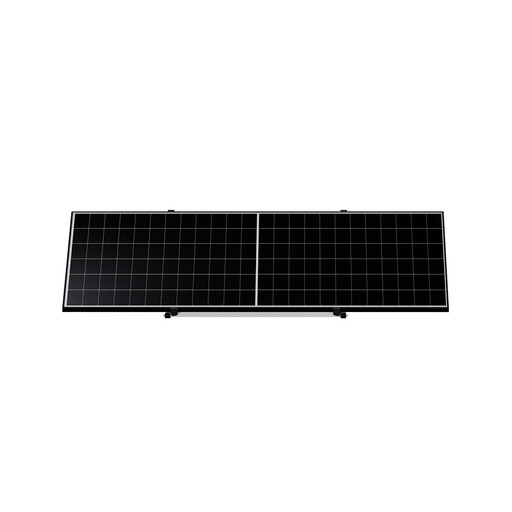
Why it stands out: The TSUN kit is an all-in-one solution that combines a solar panel, microinverter, and an adjustable stand into a single pre-assembled unit. It's designed as a hassle-free entry point into solar power generation.
Pros:
Who is it for? Ideal for beginners, renters, or for mobile use in the garden or during outdoor activities. It provides a solid foundation to which a compatible plug-and-play solar battery can be connected later.
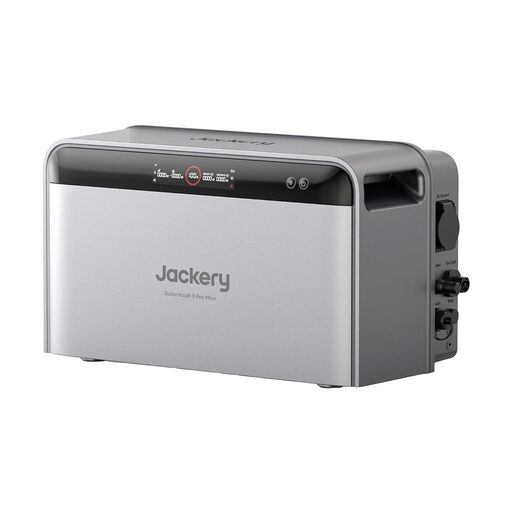
Why it stands out: The Jackery SolarVault 3 Pro combines high performance with intelligent, AI-driven energy management. Its integration with smart home systems like Home Assistant makes it an excellent choice for tech-savvy users.
Pros:
Who is it for? Users who value seamless smart home integration, quiet operation, and precise, AI-assisted control over their energy flow.
A balcony solar system is an excellent way to generate your own electricity. If you'd prefer to start with a smaller, standalone lighting solution or want to add energy-efficient light to your garden, post-mounted solar outdoor lights could be an interesting addition. They don't require a grid connection and also harness the power of the sun to provide light and security.
Whether a battery storage system is cost-effective depends heavily on your individual consumption patterns. A battery is especially beneficial if you use most of your electricity in the morning or evening when the sun isn't shining. It increases the self-consumption rate of your solar power and reduces the amount of expensive grid electricity you need to buy. With electricity prices trending upwards, the investment can pay for itself over the years.
Yes, it is possible to retrofit a battery to many existing systems. The key is to ensure compatibility between the battery and your current inverter. Many manufacturers offer special retrofit kits or plug-and-play solar batteries that can be easily integrated between the solar panels and your home's grid connection.
LiFePO4 (Lithium Iron Phosphate) technology has established itself as the common standard for home battery storage. These batteries are characterised by a high number of charge cycles, which translates to a long lifespan. Additionally, compared to other lithium-ion batteries, they are considered more thermally stable and safer to operate.