
Lieferung heute & morgen

Qualitätsgarantie

Willkommens-Angebote freischalten: KOSTENLOSE Lieferung | Bis zu 80 % RABATT | Kostenlose 30-Tage-JoyPlus-Testphase
App herunterladen
Published on August 29, 2026 by Joybuy Product Recommendation Officer
The selection of ball games for children is vast, but not every product delivers on its promise. Well-intentioned purchases often lead to frustration when the new toy breaks after a short time, poses safety risks, or simply sits unused in a corner. To help you make the right decision, we'll highlight the most common pitfalls and show you which criteria truly matter.
Many products entice with colourful packaging and grand promises. In practice, however, flaws often emerge that quickly put an end to the fun.
To avoid a bad purchase, you should check three central aspects. These will help you objectively assess a product's quality and suitability.
A crucial quality feature for children's toys is compliance with safety standards. Look for references to EN 71, the European standard for toy safety. Among other things, it regulates the mechanical and physical properties as well as the chemical composition of materials to ensure that no harmful substances, such as certain plasticisers, are present.
For outdoor toys for kids, the robustness of the material is also critical. UV-resistant plastic and tear-proof seams ensure that the garden toy remains intact even after prolonged sun exposure and intensive use. A soft ball for kids made of foam or soft plastic is a safe choice for younger children and for playing indoors.
A good active play toy is tailored to the motor skills of the respective age group. For toys for children aged 3 and up, simple outdoor throwing games that promote hand-eye coordination without being overwhelming are suitable. Large, lightweight balls or hook-and-loop ball games are ideal here.
For older children, the challenge can increase. Games that require precision, teamwork, or strategic thinking remain interesting for longer. A hopper ball, for example, trains balance and coordination in a playful way and is suitable for a wide age range.
Consider where the toy will primarily be used. Pure beach toys must be resistant to salt water and sand, while toys for the garden should be weatherproof. Products that work both indoors and outdoors offer the greatest flexibility. Outdoor family games should be designed so that different age groups can participate together, which strengthens the social aspect of play.
Here are some product recommendations tailored to different needs and play situations.
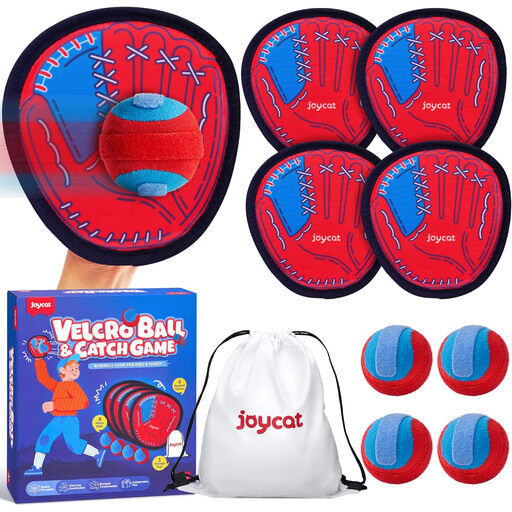
Why This Fits Their Persona: Ideal for families looking for a simple and interactive game for the garden, park, or beach. The adjustable hand straps fit both children and adults, enabling shared play across age groups.
The robust hook-and-loop paddles and the solid construction of the balls counteract the problem of poor-quality materials. The set is designed for durability during active play.
Complete set with 4 paddles, 4 balls, and a storage bag for easy transport. Promotes hand-eye coordination in a fun way.
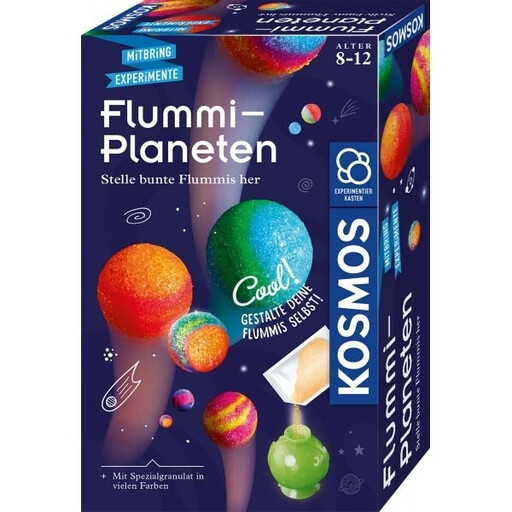
Why This Fits Their Persona: Perfect for children aged 8 and up who enjoy crafts and experiments. This set combines creative design with scientific learning, followed by the fun of playing with the self-made bouncy balls.
This set bypasses the trap of short-lived play appeal. The process of making the balls yourself and then playing with them offers a long-lasting and multi-faceted activity.
Fosters creativity and scientific interest by combining crafting with learning about the solar system. Everything needed is included in the set.
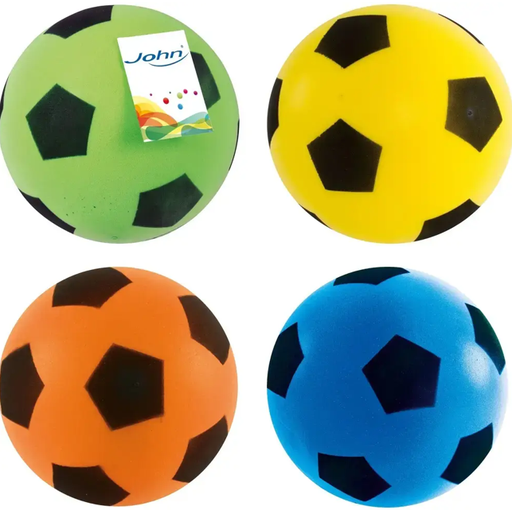
Why This Fits Their Persona: A great choice for parents of toddlers aged 3 and up who are looking for a safe way to introduce their children to ball games. The soft material minimises the risk of injury and property damage.
This product directly addresses the safety risk. Its soft foam/plastic construction makes the ball suitable for indoor and outdoor play without the typical dangers of a hard ball.
Lightweight (165 g) and soft material, ideal for promoting motor skills and coordination in toddlers. Versatile for many uses.
We have compiled a complete, up-to-date list of products that fully meet these strict selection criteria and UK/EU safety regulations.
For toys intended for children under 36 months, safety is the top priority. Ensure the product is explicitly designated for this age group. It must contain no small parts that could come loose and be swallowed (choking hazard). The materials must be non-toxic and robust. Large, soft balls or securely attached game elements are the right choice here. Adult supervision is always recommended for this age group.
To maximise the durability of outdoor toys, you should clean off dirt and moisture after use. Store the toys in a dry, protected place to shield them from constant sun exposure and extreme weather conditions. UV radiation can make plastics brittle over time. Regular cleaning and dry storage, for example in a garden box or basement, significantly contribute to their longevity.
Games that involve throwing and catching are excellent for training hand-eye coordination. These include classic throwing games, hook-and-loop ball sets, or simply tossing a soft ball back and forth. For promoting a sense of balance and full-body coordination, hopper balls are very effective. In general, any active play toy that encourages children to judge distances, move, and react to a target makes a valuable contribution to motor development.