
Lieferung heute & morgen

Qualitätsgarantie

Willkommens-Angebote freischalten: KOSTENLOSE Lieferung | Bis zu 80 % RABATT | Kostenlose 30-Tage-JoyPlus-Testphase
App herunterladen
The selection of ball toys is vast, ranging from simple play balls for children to complex construction sets. However, not every product delivers on its promise. Many buyers quickly find that their expensive new toy ends up collecting dust in a corner—whether due to poor quality, frustrating features, or an inappropriate age recommendation. This guide will help you navigate the common pitfalls and make an informed decision.
Before you make a purchase, you should be aware of the common issues that often only become apparent after unboxing.
To avoid a bad purchase, focus on a few fundamental, objective parameters. These will help you realistically assess the quality and suitability of a ball toy.
The durability and safety of a toy depend directly on its material.
The purpose of the toy should match the child's developmental stage.
Especially with system toys like marble runs, compatibility is a key factor for long-lasting play value. Check whether the set can be combined with other products from the same manufacturer or even with building blocks from other common brands. An expandable construction set grows with the child's abilities and prevents it from becoming uninteresting after a short time.
Here are some recommendations tailored to different needs and age groups.
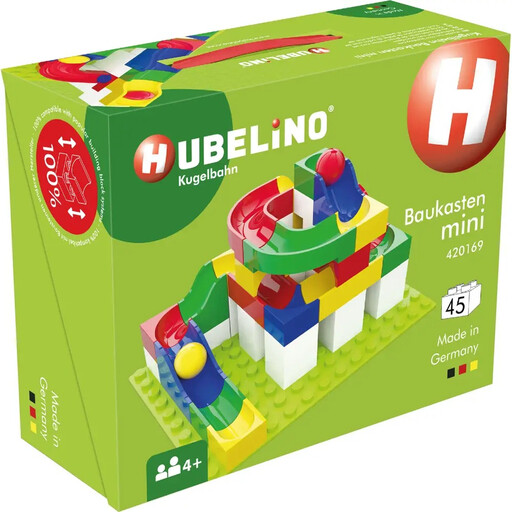
Why This Fits Their Persona: Ideal for beginners aged 4 and up who are getting their first experience building marble runs. The set encourages creativity and logical thinking without being overwhelming.
The set is made in Germany from robust ABS plastic, which sidesteps the pitfall of inferior materials. Its complexity is perfectly tuned for the target audience, preventing frustration.
Fully compatible with other Hubelino products and standard blocks from other major brands, ensuring long-lasting play value through expandability.
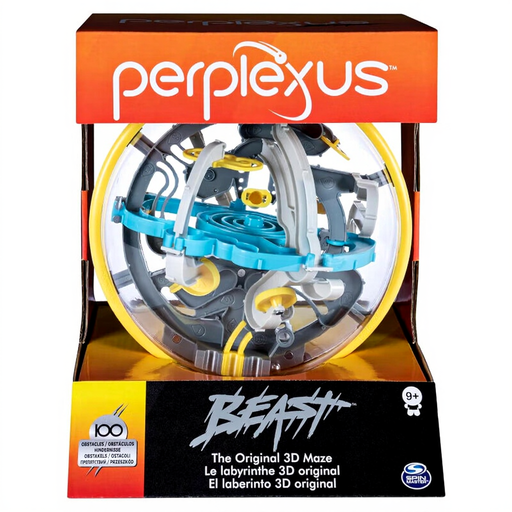
Why This Fits Their Persona: Perfect for older children (ages 9+), teens, and adults who are looking for a mental challenge and want to put their dexterity and concentration to the test.
Here, high complexity is the core feature, not a superfluous gimmick. The game is clearly aimed at an audience that seeks this exact challenge, thus avoiding the trap of an inappropriate age recommendation.
Offers 100 clearly defined obstacles within a self-contained system. This provides long-lasting engagement with no batteries, assembly, or loose parts required.

Why This Fits Their Persona: Suitable for kids and adults looking for a simple yet captivating outdoor toy. Ideal for the park, schoolyard, or garden.
The ball focuses on a single function—bouncing—and executes it exceptionally well. According to the manufacturer, its extremely durable material is designed for use on hard surfaces and resists wear and tear.
The patented design provides an extremely high bounce and creates a distinctive "pop" sound on impact, which enhances the play experience. The material is grippy and easy to catch.
We have compiled a complete, up-to-date list of products that fully meet these strict selection criteria and German safety regulations.
1. What should I look for when choosing materials for ball toys? Look for materials that are robust and suitable for their intended purpose. For construction toys like marble runs, ABS plastic is a great choice as it is impact-resistant and durable. For inflatable toys like hopper balls, you should look for thick PVC that is labeled as phthalate-free. A key indicator of tested safety is the EN 71 standard.
2. How do I properly clean and maintain a marble run or a hopper ball? Most plastic toys, including marble runs and hopper balls, can be easily cleaned with a damp cloth and mild soapy water. Avoid aggressive cleaning agents or solvents, as they can damage the material. Let the toy air dry completely. Regularly inspect it for cracks or signs of wear to ensure safety.
3. Are expansion sets for marble runs compatible with other brands? Compatibility varies greatly by manufacturer. Some brands, such as Hubelino, explicitly state that their systems are compatible with the building blocks of other well-known manufacturers. This information can usually be found directly in the product description. It is advisable to check this before purchasing to ensure that an expansion set can be seamlessly integrated into an existing collection.