
Lieferung heute & morgen

Qualitätsgarantie

Willkommens-Angebote freischalten: KOSTENLOSE Lieferung | Bis zu 80 % RABATT | Kostenlose 30-Tage-JoyPlus-Testphase
App herunterladen
The selection of balsamic vinegar on the market can be overwhelming. From dark, syrupy glazes to light, acidic liquids, the differences in price, origin, and taste are significant. This guide will help you understand the various types of balsamic vinegar and make an informed decision that suits your culinary needs. We will provide you with objective criteria and a selection of products to help you find the perfect Italian balsamic vinegar for your kitchen.
To find the right product, it's helpful to know a few basic characteristics. The following points offer guidance for your purchase.
Many products bear the designation Aceto Balsamico di Modena (P.G.I.). The abbreviation "P.G.I." stands for "Protected Geographical Indication" (Italian: I.G.P.). This seal guarantees that production takes place in the provinces of Modena or Reggio Emilia in Italy according to a defined process. The main ingredients are wine vinegar and concentrated grape must. It must be aged in wooden barrels for at least 60 days. This seal is a reliable indicator of an authentic production standard.
A look at the ingredient list reveals the vinegar's composition. For an Aceto Balsamico di Modena, wine vinegar and grape must are typically listed first. The proportion of grape must influences the sweetness and density of the final product. Some manufacturers add caramel colour (E150d) to ensure a uniform colour, which is permitted under P.G.I. regulations. Those who prefer a more natural option should look for products without this additive. An organic balsamic vinegar is made from ingredients sourced from organic farming, certified by the relevant organic seals.
Consistency is crucial for the intended use.
Based on the criteria mentioned above, we have compiled a selection of different balsamic products that cover various applications.
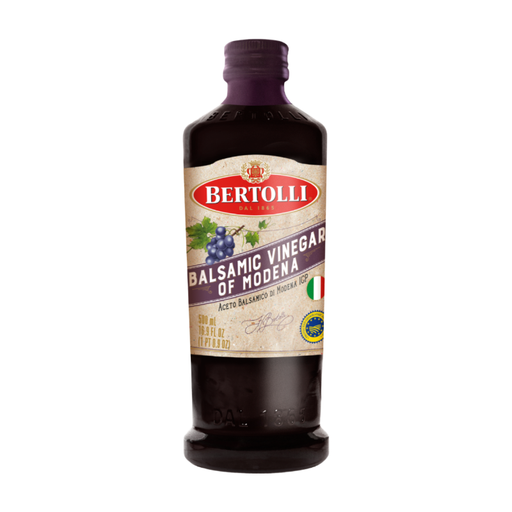
Why it stands out: This vinegar is a classic example of Aceto Balsamico di Modena P.G.I. and is distinguished by its versatile, complex flavour profile. It is made from a blend of concentrated and cooked grape must, as well as Italian wine vinegar.
Pros:
Who it's for: For home cooks looking for a reliable and all-purpose balsamic for everyday cooking, especially for combining with olive oil to create dressings.
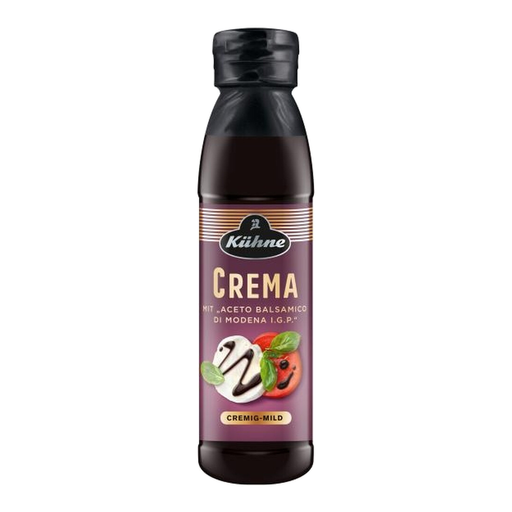
Why it stands out: This balsamic glaze from Kühne is based on Aceto Balsamico di Modena and is specially designed for garnishing and finishing due to its thick consistency.
Pros:
Who it's for: For users seeking a ready-to-use, sweet glaze to add a visual and flavourful finish to dishes like Caprese salad, meat, or desserts.
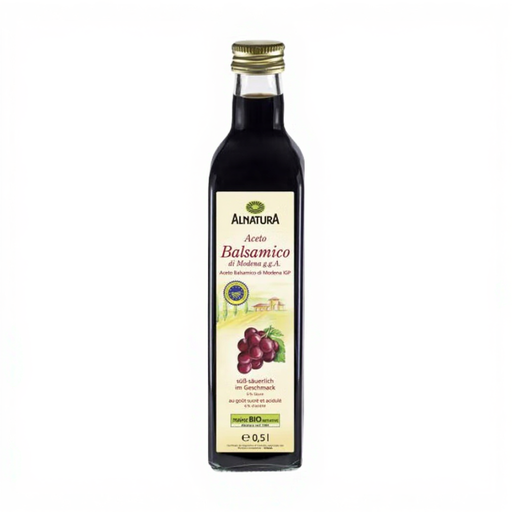
Why it stands out: This organic balsamic vinegar from Alnatura is made from organically grown ingredients and aged in wooden barrels, which gives it a rich aroma. It also carries the Protected Geographical Indication.
Pros:
Who it's for: For health-conscious consumers who value organic ingredients and an authentic taste experience without added colourants. Ideal for antipasti, salads, and finishing meat dishes.
The world of vinegars is diverse and offers much more than just balsamic. If you want to expand your culinary horizons and discover vinegars with a different sweet-and-sour profile, Chinese sweet vinegar could be an interesting alternative for your kitchen.
Discover our selection of Chinese sweet vinegar and bring new flavours to your table.
1. What exactly does "Aceto Balsamico di Modena P.G.I." mean? "Aceto Balsamico di Modena P.G.I." (Protected Geographical Indication) is an EU seal that guarantees the vinegar was produced in the Italian provinces of Modena or Reggio Emilia. The production follows strict regulations, which mandate the use of wine vinegar and grape must, as well as a minimum aging period of 60 days in wooden barrels.
2. How do I store balsamic vinegar correctly? Balsamic vinegar should be stored in a cool, dry place, away from direct sunlight. Refrigeration is generally not necessary, but it may be recommended for balsamic glazes after opening. Please refer to the instructions on the product packaging. The bottle should always be tightly sealed to preserve the aroma.
3. Can I also use balsamic vinegar for desserts? Yes, absolutely. A sweet balsamic glaze or a longer-aged balsamic vinegar pairs excellently with desserts. A few drops over fresh strawberries, vanilla ice cream, or panna cotta can add a surprising and sophisticated flavour note.