
Lieferung heute & morgen

Qualitätsgarantie

Willkommens-Angebote freischalten: KOSTENLOSE Lieferung | Bis zu 80 % RABATT | Kostenlose 30-Tage-JoyPlus-Testphase
App herunterladen
A stylish bamboo cheese board is more than just a kitchen utensil; it's the centerpiece of social gatherings and a statement of hospitality. However, the market is flooded with products of widely varying quality. Before you make a decision, it's crucial to understand the common pitfalls that often lead to an unsatisfactory purchase. Many boards look great at first glance but reveal their flaws after only a short period of use.
These include three main problems:
This guide will help you navigate these issues and find a product that is both functional and durable.
To purchase a durable and practical bamboo cheese board, you should examine three core features. These objective criteria will help you assess a product's quality, independent of marketing claims.
The term "bamboo" alone is not a guarantee of quality. Look for a solid, multi-layered construction. High-quality boards are cross-laminated, which increases stability and prevents the wood from warping. The surface should be smoothly sanded and have a low-porosity finish to minimise the absorption of liquids and bacteria.
Due to its rapid growth, bamboo is a popular sustainable kitchen accessory. Acacia wood is an excellent alternative, known for its hardness and distinctive dark grain, making it another robust option for a serving board.
The ideal size for your bamboo cheese platter depends on its intended use. For everyday use or small gatherings, a board with a diameter or edge length of about 30 cm is sufficient. If you're planning larger events, models 40 cm or longer are better suited for creating an appealing charcuterie board with a variety of cheeses, cured meats, fruits, and crackers.
A crucial functional detail is the juice groove. This surrounding channel catches liquids from fruits, olive oil, or juices from cold cuts, keeping your table clean. Some models also offer integrated compartments or drawers for cheese knives, which is especially convenient.
The surface of a serving platter for cheese must be completely food-safe. This means that no harmful substances from the sealant can transfer to your food. Ideally, the board should be treated only with a natural, food-grade oil (like mineral oil or beeswax). Such surfaces are safe and easy to recondition when needed.
A bamboo board should never be cleaned in the dishwasher. Proper care involves hand-washing with lukewarm water and mild soap, followed by immediate and thorough drying. Occasional oiling will maintain the protective surface and the beautiful appearance of the wood.
Instead of presenting an overwhelming list, we've matched a few products to different user profiles to make your decision easier.
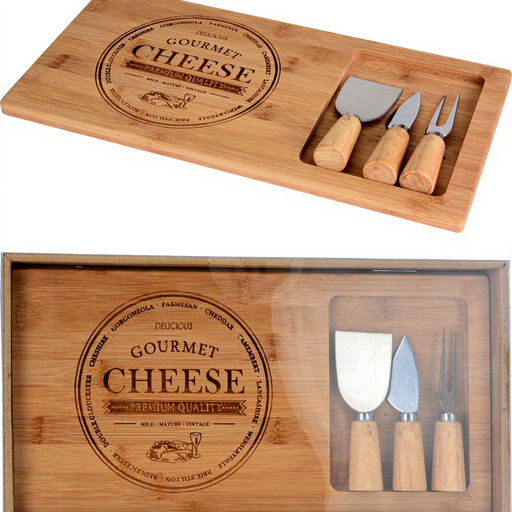
Why This Fits Their Persona: Ideal for those who want a straightforward and versatile board for regular use. It works equally well as a serving platter and as a durable bamboo cutting board for daily tasks. A true kitchen all-rounder.
Its solid bamboo construction prevents the warping and splitting common in poorly glued boards. The simple, functional design focuses on durability rather than short-lived gimmicks.
High resistance to cut marks and moisture. The smooth surface is easy to clean and hygienic.
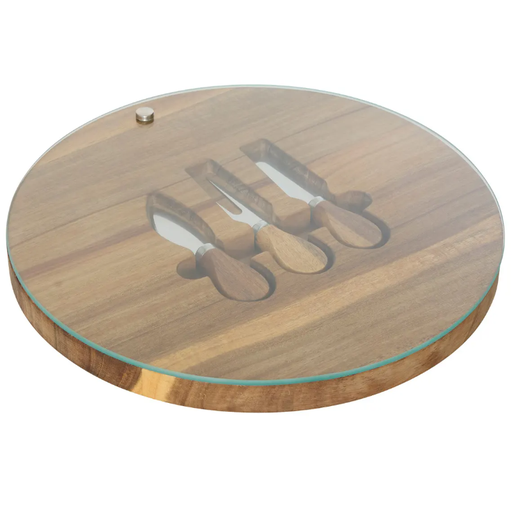
Why This Fits Their Persona: For hosts who value exceptional aesthetics. The round shape and the warm, vibrant grain of the acacia wood make this board a decorative highlight on any table. Perfect as a host gift.
This board is made from solid acacia, a hardwood known for its durability. It avoids the impractical design trap, as its round shape is ideal for central table arrangements.
Elegant, round design with a 30 cm diameter. The natural and distinctive wood grain makes each piece unique.
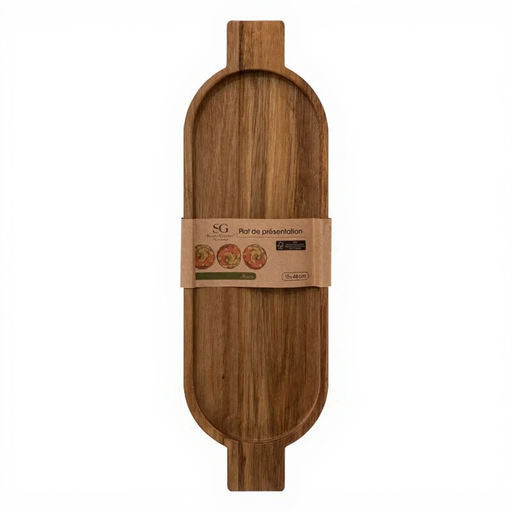
Why This Fits Their Persona: Perfect for buffets or long, narrow tables. Its elongated 48 cm format allows for serving baguettes, a range of different cheeses, or a long antipasti selection without taking up much width.
Instead of being a "one-size-fits-all" design, this board is optimised for a specific purpose. It bypasses the impractical design trap by offering a highly functional solution for particular serving scenarios.
The slim, long format (48 x 15 cm) is space-saving and ideal for buffets. Made from durable acacia wood for a long lifespan.
We have compiled a complete, up-to-date list of products that fully meet these strict selection criteria and comply with current regulations.
Proper care is straightforward but crucial for longevity. Immediately after use, hand-wash the board with a soft sponge, lukewarm water, and a small amount of mild soap. Rinse it briefly and dry it thoroughly with a cloth right away. Never soak the board in water or put it in the dishwasher, as this can lead to cracking and warping.
Yes, bamboo is a very hard material and therefore relatively resistant to knife cuts. A bamboo serving board can thus also be used as a bamboo cutting board. However, keep in mind that frequent cutting with sharp knives will inevitably leave marks on the surface. If you want to maintain the pristine look of your serving platter, it is advisable to portion the cheese beforehand or provide separate small knives for guests.
Bamboo is considered a very resource-efficient option. Botanically, it is a grass, not a tree species, and some varieties grow extremely fast—in some cases, up to one meter per day. Its cultivation typically requires no pesticides or artificial irrigation. These factors make bamboo an excellent choice for environmentally conscious consumers looking for sustainable kitchen accessories.