
Lieferung heute & morgen

Qualitätsgarantie

Willkommens-Angebote freischalten: KOSTENLOSE Lieferung | Bis zu 80 % RABATT | Kostenlose 30-Tage-JoyPlus-Testphase
App herunterladen
A bamboo cutting board is a popular choice for many kitchens, thanks to its attractive appearance and the sustainable nature of the material. However, not every bamboo board lives up to its promise. Many buyers soon discover their new board warps, cracks, or dulls their knife blades faster than expected. To help you avoid such a costly mistake, we'll highlight the crucial quality indicators and the most common pitfalls.
As your Joybuy Product Recommendation Officer, I'm here to help you separate the wheat from the chaff. This guide focuses on the facts that truly matter for a durable and functional addition to your kitchen.
Before you make a decision, you should be aware of the typical flaws that often only become apparent with use in more affordable models.
To avoid the problems mentioned above, you should check three key parameters before buying. These will largely determine the durability, functionality, and safety of your new cutting board.
The type of construction is a key indicator of quality.
bamboo wood board like this is an investment in longevity.The thickness of a cutting board isn't just an aesthetic feature; it's crucial for its stability and resistance to warping.
large bamboo cutting board used for heavy-duty tasks like carving a roast should be 2.5 cm or thicker to ensure maximum stability.Practical details make all the difference in daily kitchen use.
bamboo cutting board with juice groove is indispensable if you regularly work with juicy foods like tomatoes, melons, or meat. The groove catches escaping liquids and keeps your work surface clean.bamboo cutting board with handle makes it easier to transport from your workspace to the pot or the dining table. Additionally, a handle hole allows for easy hanging and drying of the board.Based on the criteria above, we have put together a selection of products suitable for different user profiles and requirements.
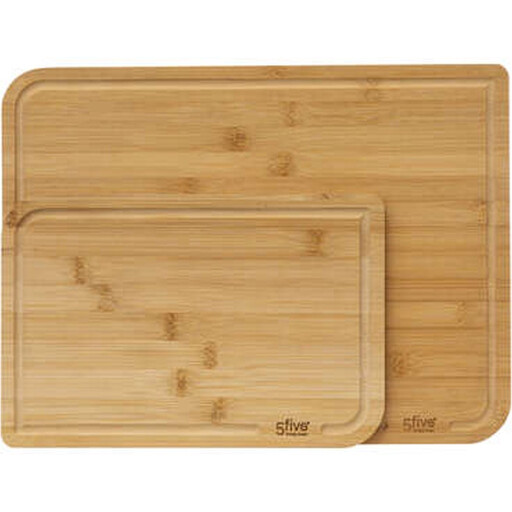
Why this set is a great fit: This `bamboo cutting board set` is ideal for the hygienic separation of foods, e.g., one board for vegetables and another for meat. The universal size of 35 x 25 cm is suitable for most daily cutting tasks.
The boards feature an integrated juice groove, avoiding the pitfall of lacking functionality. With a thickness of 2.5 cm, they are also very sturdy and resistant to warping.
Two boards in the set for improved kitchen hygiene. The substantial thickness ensures a long lifespan and stability.

Why this board is a great fit: For ambitious cooks who need plenty of space. The large surface and renowned brand quality make it a reliable tool for preparing complex dishes. It is a `knife-friendly cutting board`.
With a thickness of 1.9 cm, it is very stable and resistant to warping. The wrap-around juice groove elegantly solves the problem of overflowing liquids.
Generous work surface (45 x 30 cm) and usable on both sides. The WMF brand reputation stands for tested material quality.
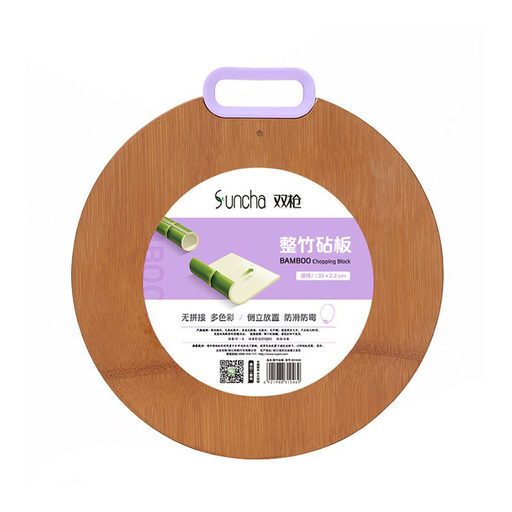
Why this board is a great fit: The round shape is a visual highlight, making the board an ideal `bamboo cheese board` or `bamboo serving board`. It combines functionality during prep with an elegant presentation at the table.
Crafted from "Whole Bamboo," it has no glue seams on its surface. This minimises the risk of cracking and ensures a high-quality, durable structure.
Unique round shape for dual use as a cutting and serving board. The seamless surface is hygienic and aesthetically pleasing.
We have compiled a complete, up-to-date list of products that fully meet these strict selection criteria and safety standards.
1. How do you properly clean and care for a bamboo cutting board? Clean the board by hand with warm water and a mild dish soap after each use. Dry it thoroughly with a cloth immediately and store it upright to allow air to circulate. Never put a bamboo board in the dishwasher or soak it in water. To protect the material from drying out, it is recommended to treat the board every few weeks with a food-safe mineral oil or a special bamboo conditioning oil.
2. Are bamboo cutting boards really more knife-friendly than other materials? Yes, bamboo offers a good balance. The material is hard enough to resist deep cuts but is more forgiving than glass, stone, or ceramic. This quality makes it a knife-friendly cutting board, as blades dull less quickly than on extremely hard surfaces. However, compared to softer woods, bamboo is denser and more durable.
3. Can you cut raw meat on a bamboo cutting board? Yes, it is possible. Bamboo naturally has a dense surface that reduces the absorption of liquids and bacteria compared to more porous types of wood. Nevertheless, meticulous hygiene is crucial. Clean the board especially thoroughly with hot water and dish soap after contact with raw meat. For hygienic reasons, many users prefer to use a separate board for meat and another for fruits and vegetables, a practice made easier with a bamboo cutting board set.