
Lieferung heute & morgen

Qualitätsgarantie

Willkommens-Angebote freischalten: KOSTENLOSE Lieferung | Bis zu 80 % RABATT | Kostenlose 30-Tage-JoyPlus-Testphase
App herunterladen
A good cutting board is the cornerstone of any kitchen. Yet, the search for the right model can quickly become overwhelming. Many buyers invest in a bamboo cutting board assuming they're getting a durable and sustainable product, only to be disappointed a few months later. As your Joybuy Product Recommendation Officer, I'll help you identify the common pitfalls and make an informed decision.
We'll focus on the three most common issues that lead to a poor purchase:
To avoid these problems, you should check three core parameters before buying. These largely determine the durability, functionality, and safety of your new kitchen board.
The choice of material is fundamental. Bamboo is a popular choice due to its properties. It's a fast-growing grass, making it a resource-friendly option. Bamboo has a high density that makes it resistant to cuts, yet it's forgiving enough to be gentle on knife blades.
However, pay close attention to the construction:
The board's dimensions are not a minor detail. A large cutting board provides ample space to comfortably chop and separate ingredients without anything falling off. For most households, a work surface of at least 40 x 30 cm is recommended.
The thickness is an indicator of stability:
Practical details make all the difference in daily use:
Instead of making a one-size-fits-all recommendation, we have identified products tailored to specific user profiles that meet the quality criteria mentioned.
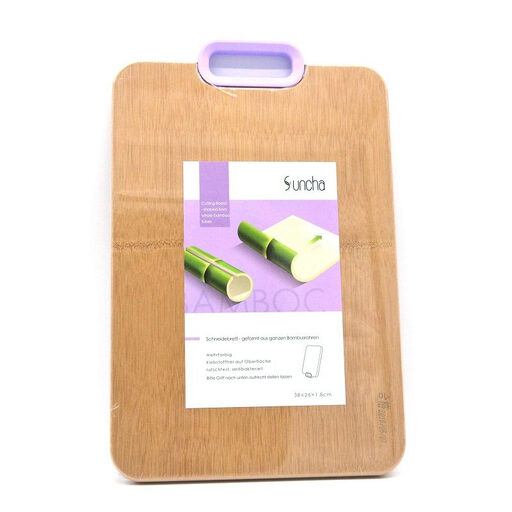
Why it's a good fit: This board offers a balanced combination of a practical size for daily prep and functional details. It's robust enough for regular use without being overly heavy.
With a thickness of 18 mm and being crafted from a single piece of bamboo, it offers high dimensional stability and minimises the risk of warping common in thinner, glued boards.
The integrated handle makes handling and storage straightforward. The knife-friendly bamboo surface is a good compromise between hardness and blade protection.
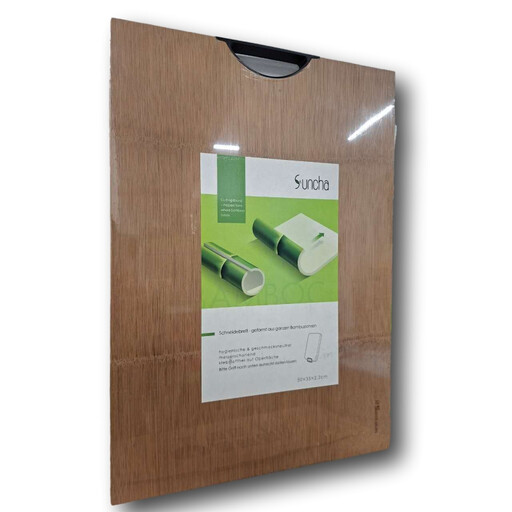
Why it's a good fit: For anyone who regularly prepares large quantities or performs heavy-duty chopping. This board is a real workhorse in the kitchen.
The massive thickness of 26 mm and large surface area provide maximum stability and prevent slipping. Being crafted from a single piece of bamboo without glue seams makes it extremely resistant to warping and cracking.
A very large cutting board (50 x 35 cm) for an uncompromising work surface and durability. Ideal for preparing entire meals or rolling out dough.
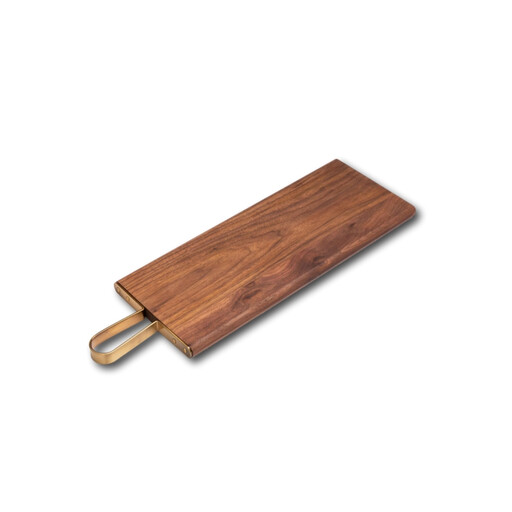
Why it's a good fit: This walnut wood board combines functionality with an appealing aesthetic. It's perfect as a wooden serving board for cheese, cold cuts, or bread, and also performs beautifully for prep work.
The solid walnut wood is naturally knife-friendly and durable. The thickness of 20 mm ensures a solid feel and stability you wouldn't expect from a purely decorative object.
The elegant, elongated shape and fine walnut wood make it a versatile tool that serves as both a kitchen board and a stylish serving piece.
If you're looking for a model with specific dimensions or a practical cutting board set, you'll find more products that meet our selection criteria in our full overview.
1. How do you properly care for a bamboo cutting board? Proper care is crucial for longevity. Clean the board by hand after each use with warm water and a mild detergent. Rinse it thoroughly and dry it immediately with a cloth. Store it upright to allow air to circulate. Never clean it in the dishwasher or soak it in water. Occasionally rubbing it with food-safe mineral oil will protect the material from drying out.
2. Is bamboo more hygienic than plastic? Bamboo naturally has properties that can inhibit bacterial growth. In contrast, germs can get trapped in deep cut marks on plastic boards and be difficult to remove. However, regardless of the material, the most important factor for kitchen hygiene is thorough and immediate cleaning after contact with raw meat, poultry, or fish.
3. Can I use the same bamboo board for meat and vegetables? In principle, yes, as long as you clean it very carefully in between to avoid cross-contamination. However, a common and safer practice is to use two separate boards: one for raw meat and fish, and another for vegetables, fruit, and bread. Many cutting board sets offer a practical solution for this.