
Lieferung heute & morgen

Qualitätsgarantie

Willkommens-Angebote freischalten: KOSTENLOSE Lieferung | Bis zu 80 % RABATT | Kostenlose 30-Tage-JoyPlus-Testphase
App herunterladen
With their natural aesthetic and sustainable image, bamboo plates are a popular choice for eco-conscious households. They bring a warm, organic touch to the dining table and are seen as an alternative to ceramic or plastic. However, not all products marketed as bamboo dinnerware live up to their claims. Before making a purchase, it's crucial to understand a few common pitfalls that can lead to disappointment and unnecessary expense.
A frequent issue is misleading material labelling. Many plates advertised as "bamboo" are not made from solid wood, but from a composite of bamboo fibres and synthetic resins like melamine-formaldehyde (MFH). When these plates are heated above 70°C, they can potentially leach unwanted substances into food.
Another point of criticism is a lack of durability. Customers report plates that warp, crack, or splinter after a short period. This is often due to poor craftsmanship, inadequate sealing, or improper use, which is encouraged by unclear product descriptions.
To avoid a poor purchase, it's wise to focus on a few objective criteria rather than being swayed by marketing promises. The following points will help you assess the quality and suitability of a bamboo plate.
The most important distinction is between solid bamboo and bamboo fibre composites.
wooden plates or bamboo dinner plates, are made by laminating and pressing strips of bamboo. They are generally robust and, with proper care, durable. Look for a smooth, continuous surface and a food-safe sealant that protects the material from moisture.sustainable tableware is made from ground bamboo fibres pressed into shape with a binding agent—often melamine resin. Here, it is crucial to check the manufacturer's specifications on temperature resistance. To ensure safety, products unsuitable for contact with hot food should be used accordingly.The quality of the workmanship has a direct impact on durability and functionality. A well-made plate will have smooth, splinter-free edges and a uniform surface.
Also, check the intended use. A bamboo serving platter is primarily designed for presenting cold foods like cheese, fruit, or snacks and is often not intended for daily use with hot, liquid meals. Reusable plates for everyday use should be explicitly designated as such. Before buying, clarify whether the product is dishwasher or microwave safe to prevent damage from improper cleaning or heating.
To help you find your way, we have selected some products based on different user profiles and objective features.
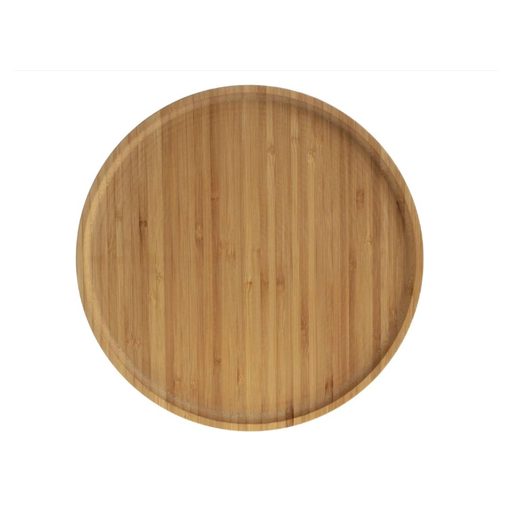
Why This Fits Their Persona: With a 26.5 cm diameter, this plate is ideal for main courses, and its solid bamboo construction makes it a robust choice for daily family use.
As it's crafted from solid bamboo, it bypasses the issue of potentially harmful binding agents in composites, which becomes a concern with hot foods.
Durable and minimalist design; generous size for versatile meals.
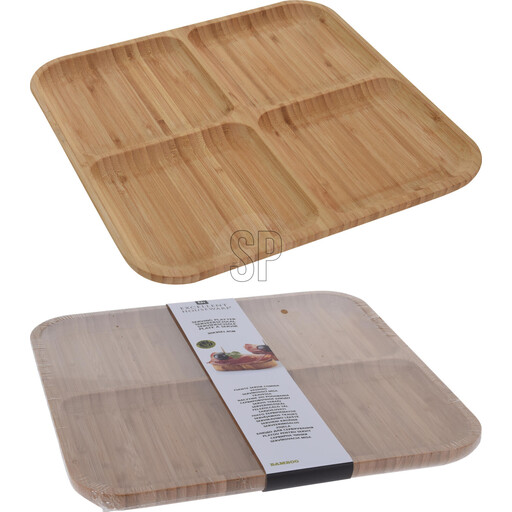
Why This Fits Their Persona: This serving platter is perfect for parties and social gatherings, allowing you to present various snacks, dips, or antipasti separately and attractively.
Its clear function as a serving platter for cold foods prevents improper use that could lead to material damage. The design itself guides its correct application.
Four compartments for an organised presentation; sturdy bamboo construction.
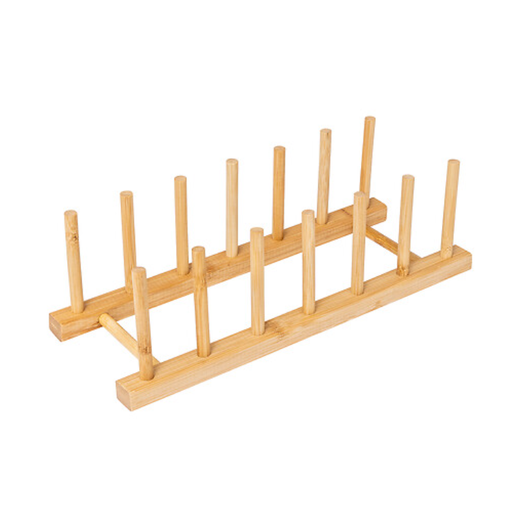
Why This Fits Their Persona: A sustainable solution for organising plates in a kitchen cabinet or on the countertop to save space and maintain clarity. Perfect for those who prefer natural materials even for their organisational aids.
As a pure storage item, the rack does not come into contact with hot food. It is made of solid bamboo, which eliminates any concerns about material composition from the outset.
Compact, stable design; creates order and is an eco-friendly alternative to plastic racks.
We have compiled a complete, real-time list of products that fully satisfy these strict selection criteria and UK safety regulations.
This depends on the specific product. Plates made from solid bamboo should generally be washed by hand to protect the material and prevent warping. Some plates made from bamboo fibre composites are declared dishwasher-safe, but usually only for the top rack and at low temperatures. Always read the manufacturer's care instructions to ensure the product's longevity.
Proper care is straightforward but crucial. Wash eco-friendly plates made of bamboo by hand with mild detergent and lukewarm water. It is important to dry them thoroughly immediately afterwards and not to let them soak in water. To maintain the surface and protect it from drying out, you can occasionally treat the plates with a food-safe oil (e.g., coconut or mineral oil).
Reputable manufacturers and retailers explicitly label their products as food-safe. In the European Union, products intended for food contact must comply with Regulation (EC) No. 1935/2004. Look for corresponding information in the product description. For dinnerware made from bamboo-melamine mixtures, warnings about maximum temperature (e.g., "do not heat above 70°C") are an important indicator of the manufacturer's responsible handling of the material.