
Lieferung heute & morgen

Qualitätsgarantie

Willkommens-Angebote freischalten: KOSTENLOSE Lieferung | Bis zu 80 % RABATT | Kostenlose 30-Tage-JoyPlus-Testphase
App herunterladen
Designing interiors with natural materials is becoming increasingly popular. Bamboo wall panelling offers an aesthetically pleasing and resource-efficient alternative to conventional wall coverings. It lends a warm, organic atmosphere to any room and is incredibly versatile. This article serves as a guide, outlining objective criteria for selecting bamboo panels. We also present a selection of products distinguished by specific features for various applications.
The decision for a specific product should be based on its material, format, and intended application. The following points summarise the key selection criteria.
The properties of bamboo wall panelling are largely determined by how the raw material is processed. Untreated bamboo has a light, natural colour. An alternative is carbonised bamboo. During carbonisation, the bamboo is treated with heat and pressure. This process alters the cellulose structure, resulting in a darker colour, often ranging from honey to coffee brown. Carbonisation can also enhance the material's resistance to moisture and warping, which is beneficial for creating a durable and sustainable wall design.
Bamboo wall coverings are available in various formats. Rigid panels are well-suited for large, flat surfaces. A particularly user-friendly option is bamboo on a roll. This flexible wall covering is easy to cut and adapt to specific conditions. It is ideal for DIY projects (DIY wall panel), as it conforms to slightly uneven walls or even curved surfaces. Due to its flexibility, it can sometimes be repurposed as a bamboo furniture wrap to upgrade cabinets or countertops.
The grain and colour of the bamboo determine its visual impact in a room. Light, natural-finish bamboo-look wall panels create an open and airy atmosphere. Carbonised versions with a darker grain appear more refined and create striking accents. In addition to classic wall panelling, the material is also suitable for creative projects such as designing headboards, cladding alcoves, or as bamboo ceiling covering to add unique texture and warmth to a room.
Based on the criteria mentioned, we have compiled a selection of products that stand out for their material, finish, and flexible format.

What makes it stand out: This bamboo wall panel is crafted from 100% renewable bamboo and refined through a carbonisation process. The result is a light, lightly burned grain that creates a warm and natural texture. It is delivered as a flexible roll measuring 244 cm x 30 cm, which simplifies installation.
Advantages:
Who it's for: This panel is an excellent choice for eco-conscious homeowners and DIY enthusiasts looking for a stylish and straightforward solution for living rooms and bedrooms. It is also well-suited for commercial projects in boutiques or cafés aiming for a natural aesthetic.
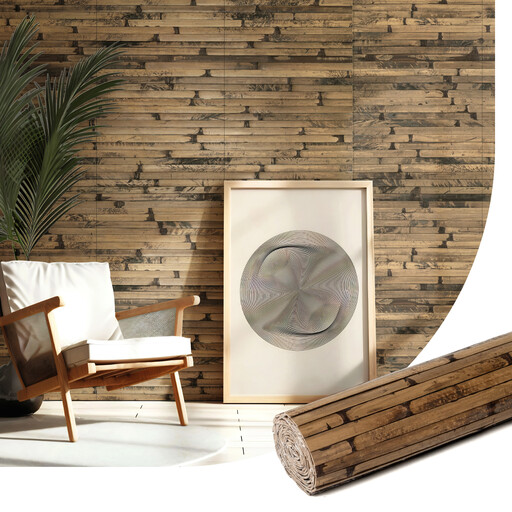
What makes it stand out: This version is distinguished by an intense, dark burned grain. The carbonised bamboo manufacturing process gives the panel a deep, rich colour that creates striking visual accents. This product is also delivered as a bamboo roll (244 cm x 30 cm) and is designed for simple adhesive installation.
Advantages:
Who it's for: Ideal for interior designers and design-conscious owners who want to achieve a dramatic and luxurious effect. It fits well in modern offices, restaurants, or living areas where a strong visual focus is desired.
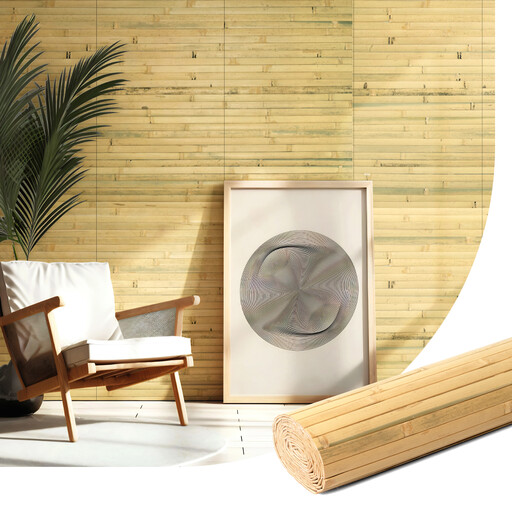
What makes it stand out: This panel features a classic, natural bamboo grain that gains a warm hue from the carbonisation process. It strikes a balance between the light and very dark versions, offering a balanced, organic aesthetic. The roll dimensions are also 244 cm x 30 cm.
Advantages:
Who it's for: This version is a universal solution for anyone who appreciates the natural beauty of bamboo. It is suitable for designing entire rooms as well as for creating individual accents, appealing to users who prefer a durable and aesthetically understated wall design.
If you are looking for other materials or designs for your wall and ceiling projects, you can find a wider selection of products for your next project in our Ceiling Fabric category.
The rolled products featured here are designed for simple adhesive installation. The surface should be clean, dry, and flat. After cutting the panel to size, apply a suitable construction adhesive to the back and press the panel firmly against the wall. It is advisable to follow the specific instructions from the adhesive manufacturer.
Bamboo is considered a highly sustainable raw material. It is a type of grass that grows extremely fast and regenerates after harvesting without the need for replanting. Using bamboo products can therefore help reduce one's ecological footprint.
Yes, flexible bamboo panels on a roll are very well-suited as a bamboo ceiling covering. Their low weight and easy handling simplify overhead installation compared to heavy, rigid boards. They can add texture and a warm ambiance to a ceiling.