
Lieferung heute & morgen

Qualitätsgarantie

Willkommens-Angebote freischalten: KOSTENLOSE Lieferung | Bis zu 80 % RABATT | Kostenlose 30-Tage-JoyPlus-Testphase
App herunterladen
A Banana Cream Whey Protein can be a straightforward way to top up your daily protein intake – whether as a banana protein shake after your workout or as part of a meal. However, the sheer choice on the market can be overwhelming. Terms like “Gold Standard”, “Isolate” or “muscle building” don’t tell you much about how suitable a product actually is.
Typical buying mistakes usually come down to three things:
For a fair comparison, start by checking the nutrition table. The Optimum Nutrition Gold Standard 100% Whey in Banana Cream flavour is listed with around 23.7 to 24 g of protein per serving, depending on the pack variant. For the 2 kg product, the data shows 23.7 g of protein and 113 kcal per 30 g of powder.
These values can vary slightly depending on the recipe and flavour. So always refer to the label on the packaging you receive. A high protein content with a moderate calorie count can be appealing if you’re planning to use a whey protein powder as a targeted part of your daily diet. However, the powder is not a substitute for a balanced and varied diet.
Whey protein is derived from milk and is therefore not suitable for anyone with a milk allergy. Also check whether the recipe contains any other ingredients that must be declared as allergens.
For the 2 kg tub of Optimum Nutrition Gold Standard 100% Whey, the product information states that whey protein isolate is the protein source. The smaller 450 g variant, according to its ingredients list, contains a protein blend of whey protein isolate, whey protein concentrate and hydrolysed whey protein, plus soya lecithin as an emulsifier. Milk, gluten and soya are listed as allergens or relevant components.
If you want to avoid milk-based ingredients, you can choose a plant-based protein powder. The Nutri+ 6K Protein Pulver Vegan 1 kg Banana Milk combines, according to the product description, soya, wheat, rice, pea, sunflower and almond protein, among others. However, this doesn’t automatically make it suitable for every allergy or intolerance. If you have a soya, gluten or nut allergy, the ingredients list is crucial.
A soluble powder should mix evenly with the recommended amount of liquid. For the Optimum Nutrition products mentioned, the recommendation is around 180 to 300 ml of water or milk per serving, depending on the variant. A shaker with a mixing grid can make preparation easier; the exact consistency will also depend on whether you use water, cow’s milk or a plant-based alternative.
Once opened, store the powder in a cool, dry place with the lid tightly sealed. Moisture can encourage clumping. Drink a prepared shake promptly and don’t leave it at room temperature for long periods.
A 450 g pack is a manageable size and is ideal if you want to try Banana Cream first or only have a shake occasionally. With a serving of around 30 g, it works out to roughly 15 servings.
The variants around 780 g or 2 kg are more practical for regular users. A larger tub usually means fewer reorders, but it does need more storage space and ties up more of your budget. So before you buy, compare not just the pack price but also the price per 100 g and per serving.
Important: a banana protein shake is not the same as a banana drink or a banana-flavoured snack. The Vitasoy Soy Drink Banana Flavour, for example, contains 1.5 g of protein per 100 g according to the product data, putting it in a completely different product category. Likewise, a ready-to-drink shake like yfood Happy Banana is a higher-calorie meal with 500 kcal and 33 g of protein per bottle, not simply a classic whey powder.
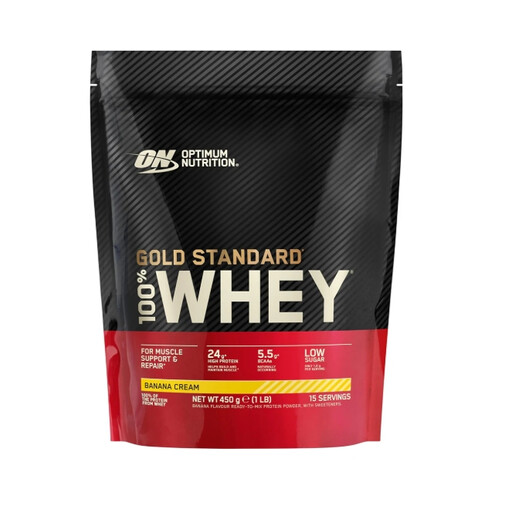
Why this product fits the profile: The 450 g pack keeps the initial outlay low and lets you test the flavour and mixability in your own routine.
The serving size and nutritional values are clearly stated, making it easier to calculate the cost per serving than by simply comparing tub prices.
According to the product data, 24 g of protein per 31 g serving; can be prepared as a powder with water or low-fat milk.
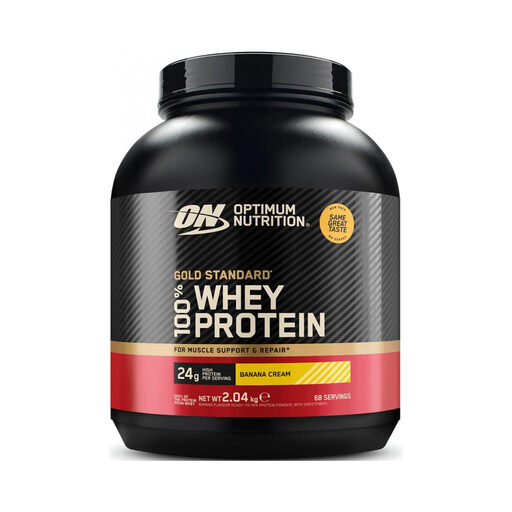
Why this product fits the profile: The large tub is aimed at users who use whey protein powder regularly and prefer to keep a steady supply on hand.
The nutritional information per 100 g and per 30 g helps you objectively compare the large pack with smaller variants.
According to the product information, 79 g of protein and 378 kcal per 100 g; recommended preparation with 200–300 ml of water or milk.
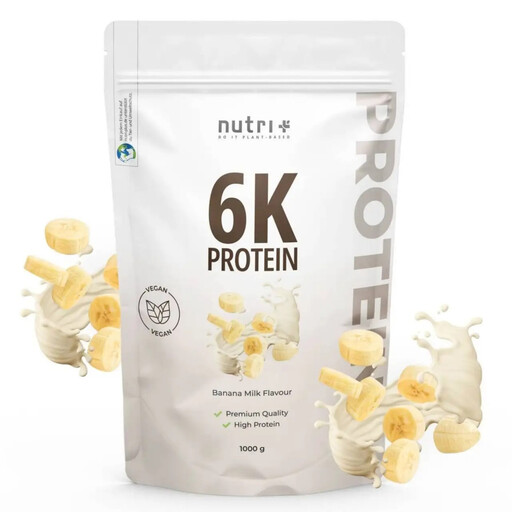
Why this product fits the profile: The plant-based protein blend is of interest to anyone who doesn’t want to use a classic milk-based whey.
The product description lists the individual plant sources, making it easier to check the recipe against your personal dietary and allergy criteria.
According to the product description, 25 g of protein per 30 g serving; preparation with around 300 ml of liquid.
A shake straight after training can be a convenient way to fit protein into your daily routine. What really matters is your overall diet and the daily amount that’s right for you. Mix the recommended serving with water if you want to keep calories and fat low. Milk or a fortified plant-based alternative will change the taste, texture and nutritional values.
If you’re using it regularly, keep an eye on:
We’ve put together a full, regularly updated list of products that fully meet these strict selection criteria and the safety regulations in force in the EU.
Depending on the product, around 180 to 300 ml of water or milk is typical. Always follow the specific recommendation on the label. Less liquid usually gives a thicker shake, while more liquid makes it thinner.
That depends on the best-before date and storage conditions. Keep the pack dry, cool, away from light and tightly sealed. Don’t use any product that feels damp, has gone lumpy or smells unusual.
Both types can contribute to your daily protein intake. Whey comes from milk, while vegan blends combine plant-based protein sources. Your choice should be based on your diet, tolerance, the ingredients list and your personal taste.