Lunchbox and weekly meal planners
You want to spread bars across several days at school, work or on your commute. The key is how many suitable portions the pack actually contains.


A multipack is a practical choice for lunchboxes and sharing when the number and size of portions suit the breaks you have planned. Check in particular whether the stated serving consists of one or two bars. Whether you choose a classic bar, an assorted pack, a protein bar or a no-added-sugar option also depends on the ingredients, allergens and nutritional information for the specific variety.
You want to spread bars across several days at school, work or on your commute. The key is how many suitable portions the pack actually contains.
You check the ingredients, sugar, allergens and possible traces for the specific variety, rather than relying solely on labels such as ‘protein’ or ‘no added sugar’.
You’re considering a protein bar for on the go or after a workout and want to compare its nutritional values per bar with those of other varieties.
Start with the number and size of portions you need. Then compare the information for the varieties you’re considering for your lunchbox or for sharing.
| Criteria | What to check | Who it matters to |
|---|---|---|
| Portions and whether they can be split | Compare the number of bars, the weight of each bar and the stated serving size. A twin bar may count as one serving. | If I’m dividing snacks between several lunchboxes, I want to know how many breaks a pack will cover. This portioning flexibility is a top priority for around 37% of consumers. |
| Ingredients and allergens | Check the ingredients list, highlighted allergens and possible traces for each variety. Read the nutritional information per 100 g and per serving. | If several people are choosing from the same pack, each variety needs to meet their individual ingredient and allergen requirements. Around 27% of consumers put this check first. |
| Protein per serving | Compare protein and other nutritional values for the serving you’ll actually eat, rather than relying on the label ‘protein bar’ alone. | If you’re choosing a bar specifically for its protein content, you need the figures for your own serving. Protein is likely to be the most important selection criterion for around 18% of consumers. |
| Stocking up | Match the pack size to how you plan to use it, and check the best-before date and storage instructions. | For several working days, I only want to stock up on varieties that will actually get eaten. Stocking up is the main consideration for around 18% of consumers. |
For the Nature Valley Variety Pack, one stated serving consists of two bars weighing 42 g in total. If you count only the individual bars, you may be planning for a different serving size from the one stated on the pack.
As well as checking the number of bars, check what quantity the nutritional information per serving refers to.
The label doesn’t describe the whole recipe. According to REWE’s product information, CORNY free Schoko contains sweeteners; 42 g of polyols are listed per 100 g.
Read the ingredients list and compare the nutritional information for the specific variety, rather than choosing based on the label alone.
Different flavours may have different ingredients and allergen information. This is especially important when several people are choosing from the same pack.
Check every variety in the pack and, where relevant, look at the individual trace warnings too.
The range includes a variety of cereal bar multipacks, from classic options to bars with no added sugar.
The Variety Pack combines several flavours in twin bar portions.
The bar range also includes a protein bar pack with several varieties.
This selection includes multipacks in different sizes for individual breaks and for keeping a supply on hand, including classic cereal and muesli bars, an Haferkraft Zero option and a protein bar pack. Before choosing a format for several people, compare the portion sizes and the labelling for the specific variety.
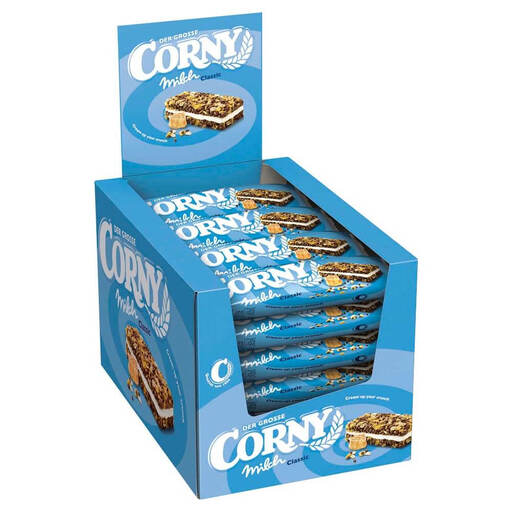 No image available
The pack of 24 bars is handy for planning snacks across several breaks. Each bar weighs 40 g. Check the pack’s labelling if you’re choosing based on ingredients and allergens.
 No image available
The twelve 50 g bars could help you stock up for several breaks. If the Zero variety is what you’re looking for, check its ingredients and nutritional information first. The name alone doesn’t tell you everything about the recipe.
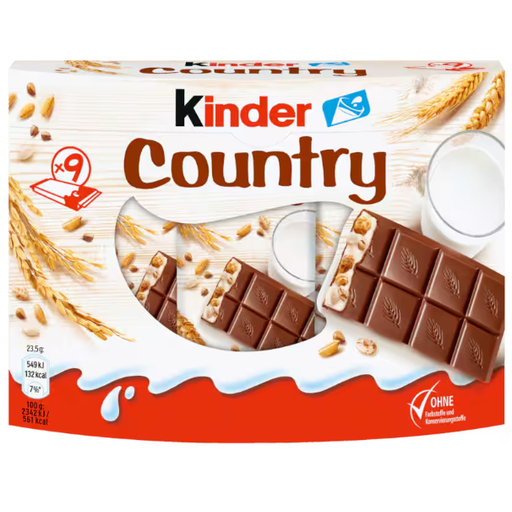 No image available
With nine bars weighing 23.5 g each, you can plan a smaller portion for each break. When comparing the nutritional values of smaller and larger bars, figures per 100 g are more useful than bar size alone.
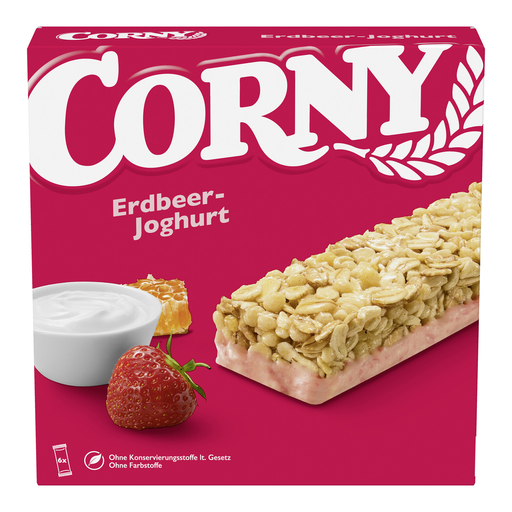 No image available
Six bars weighing 25 g each are a good fit if you’re planning six smaller snack portions. If the bars are for several people, check the ingredients and allergen information for this flavour.
 No image available
This pack of twelve is an option if you’re looking for a protein bar to take with you. Each bar weighs 50 g. Compare the protein figure on the pack with the other nutritional values per bar, and check the allergen information.
It depends on how many bars you plan to have at each break. REWE describes the Nature Valley Variety Pack as five 42 g servings, with two bars in each serving.
First compare sugar, protein and other nutritional values per 100 g, then look at the amount in the serving you’ll actually eat. The German Food Federation explains that nutritional information is given per 100 g; additional serving information can help with planning.
Yes. If allergens matter to your choice, check the labelling for every variety in the pack. According to the German Food Federation, the 14 main allergens are identified in the ingredients list. Ingredients and trace warnings can vary between varieties.
No. The label is no substitute for the ingredients list or nutritional information. For example, REWE lists sweeteners and 42 g of polyols per 100 g for CORNY free Schoko.
Choose a pack size to suit how you plan to use it, and check the storage instructions and best-before date on the specific pack. The German Food Federation describes the best-before date as a quality date, not an automatic use-by date.