
Lieferung heute & morgen

Qualitätsgarantie

Willkommens-Angebote freischalten: KOSTENLOSE Lieferung | Bis zu 80 % RABATT | Kostenlose 30-Tage-JoyPlus-Testphase
App herunterladen
Bar stools are more than just a place to sit; they define the character of a kitchen or home bar. However, the selection can quickly become overwhelming. Incorrect dimensions, unstable designs, or impractical materials often lead to disappointment. This guide will help you identify the crucial features and make an informed choice that blends function and style in your home.
Before we dive into the details, let's look at the typical problems that arise after a purchase. Understanding these points will protect you from a bad investment.
To avoid the problems mentioned above, you should check three core aspects before buying. These will define the longevity and functionality of your new stool.
The correct seat height is fundamental. Measure the height of your counter or bar from the top edge to the floor. As a rule of thumb, the distance between the stool's seat and the top of the counter should be 25 to 30 cm.
A height-adjustable kitchen stool offers maximum flexibility. It not only adapts to different counter heights but also to different body types, increasing comfort for all users.
The frame material largely determines the stability and style.
The base is just as critical. A swivel counter stool should have a heavy, wide base plate with a non-slip rubber ring to prevent tipping and protect the floor.
The decision for or against a backrest depends on the intended use.
For padding, the material is key. PU leather is low-maintenance and water-resistant, while fabric covers like sherpa or velvet provide a warmer feel but can be more prone to stains.
Here are some models tailored to specific needs and interior styles that meet the quality criteria mentioned.
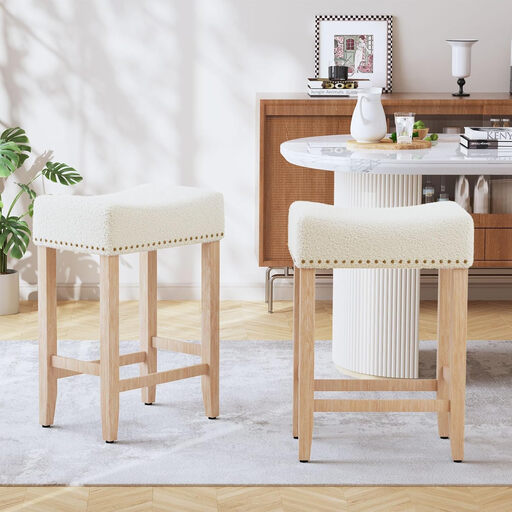
Why This Fits Their Persona: Ideal for users who want to maximise space in their kitchen. The backless design allows the stools to be pushed completely under the kitchen counter, creating a tidy, uncluttered look.
The fixed seat height of 65.5 cm is precisely tailored for standard kitchen counters, thus avoiding the "wrong height" error. The sturdy wooden frame with four legs and adjustable rubber feet prevents instability.
Space-saving design: Slides completely under the counter. Sturdy construction: Wooden frame with a load capacity of 150 kg according to the manufacturer.
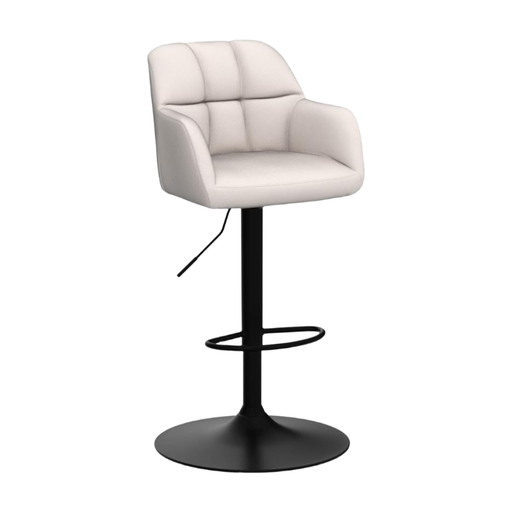
Why This Fits Their Persona: Perfect for households that value comfort and adaptability. The combination of a backrest, swivel function, and height adjustment makes it ideal for social evenings at the home bar or as comfortable seating at the kitchen island.
The height adjustment (65–87 cm) solves the problem of incorrect seat height for almost any counter. The wide metal base ensures a stable stand, even when using the 360° swivel function.
High functionality: Height-adjustable, 360° swivel, and with a backrest. Comfortable upholstery: Soft velvet cover with shape-retaining foam.
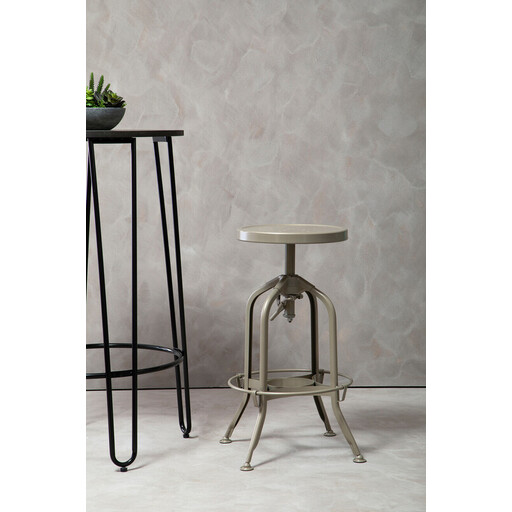
Why This Fits Their Persona: For purists seeking a robust, durable, and stylistically pure piece of furniture. The 100% iron design with a champagne finish fits perfectly into modern lofts or kitchens with industrial accents.
The solid iron construction with four legs and a circular footrest offers maximum stability, avoiding the risk of wobbling. The height is adjusted via a robust screw mechanism on the seat, allowing for precise customisation.
Extremely robust: Made entirely of iron for maximum durability. Functional design: Height-adjustable by rotating the seat.
We have compiled a complete, up-to-date list of products that fully meet these strict selection criteria and UK safety regulations.
1. How high should a bar stool be? Measure your counter height. For a standard kitchen counter (approx. 90 cm), a seat height of about 65 cm is ideal. For a higher bar counter (approx. 105 cm), you will need a seat height of about 75 cm. A distance of 25-30 cm between the seat and the countertop is recommended.
2. What is the most low-maintenance material for kitchen bar stools? Materials like PU leather (faux leather), metal, or lacquered wood are very low-maintenance. They can be easily wiped clean with a damp cloth and are resistant to the spills and stains common in a kitchen.
3. Do I need a bar stool with or without a backrest? This depends on the intended duration of use. For longer, comfortable sitting, such as eating at the kitchen island, a bar chair with a backrest is the better choice. If the stool will only be used for short breaks or needs to be tucked away to save space, a model without a backrest is often more practical.