
Lieferung heute & morgen

Qualitätsgarantie

Willkommens-Angebote freischalten: KOSTENLOSE Lieferung | Bis zu 80 % RABATT | Kostenlose 30-Tage-JoyPlus-Testphase
App herunterladen
An ottoman or stool is far more than just an impromptu seat. It can serve as a footrest, a side table, or a smart storage solution, all while making a striking accent in your decor. However, the selection is vast, and not every stool lives up to its design promises. Before you make a decision, it's important to understand the common weaknesses that often only become apparent after the purchase.
Many buyers focus on aesthetics and overlook crucial quality features. The most common purchasing mistakes stem from three problems:
storage ottoman may turn out to be too small for the items you plan to store. Likewise, a footstool might have an unsuitable height that compromises comfort instead of enhancing it.To avoid these pitfalls, you should focus on a few core parameters that determine the quality and functionality of a stool.
A durable and functional stool is defined by verified characteristics. Pay attention to the following three points before you buy to make an informed decision.
The maximum load capacity is one of the most important specifications and a direct indicator of the stool's stability and longevity. A value below 80 kg is often insufficient for regular use by adults. Models with a load capacity of 120 kg or more offer significantly greater safety and robustness. Pay attention to the frame material: solid wood or semi-solid wood is generally more resilient than simple MDF boards. For a rolling stool, the quality of the metal frame and castors is also crucial for safe use.
The upholstery material determines not only the look but also the maintenance effort.
Think carefully about the purpose the stool is meant to serve.
foldable stool offers additional flexibility.round stool or a model with a unique shape can serve as a central decorative element. Here, aesthetics and material craftsmanship are the main focus. A modern stool can also function as an unconventional coffee table.Based on these criteria, we have identified several models that are well-suited for different user profiles.
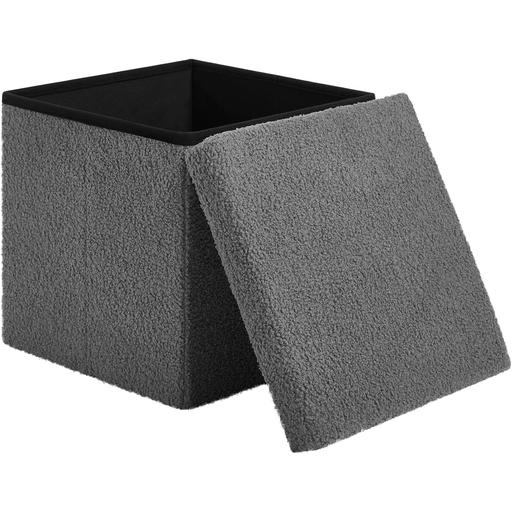
Why This Fits Their Persona: Ideal for those in smaller apartments looking for a flexible solution. It serves as a seat, footrest, and hidden storage, and can be easily folded away when not in use.
The construction, featuring an E1-grade MDF frame and a stated static load capacity of up to 200 kg (according to the manufacturer), addresses the issue of instability. The 38-litre storage volume is clearly defined.
Foldable design for easy storage; combines seating, footrest, and storage functions.
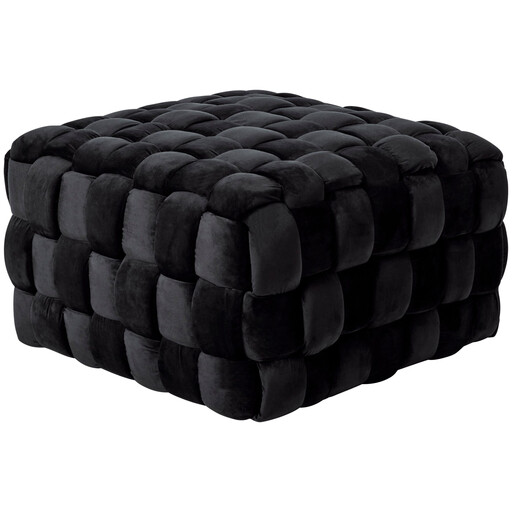
Why This Fits Their Persona: For anyone seeking a statement piece that combines design and function. This large pouf serves as a luxurious extra seat, an elegant coffee table, or a central focal point in the living room.
The semi-solid wood substructure and high load capacity of 150 kg (according to manufacturer Jahnke) ensure stability. The material is clearly described as velvet, and the generous dimensions (approx. 78x78 cm) are clearly specified.
Generous dimensions for versatile use; high load capacity and a sturdy build.
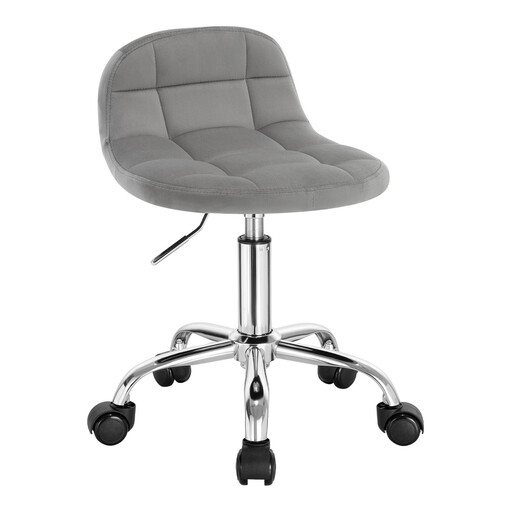
Why This Fits Their Persona: Perfect for home offices, beauty salons, or other work environments that demand flexibility. The height adjustment and smooth-rolling castors enable a dynamic and ergonomic way of working.
The sturdy, chrome-plated metal frame and a load capacity of 120 kg (according to manufacturer Woltu) provide the necessary stability often lacking in cheaper rolling stools. The PU castors are explicitly described as floor-friendly.
Infinitely variable height adjustment (56.5–68 cm); 360° rotation and quiet, floor-friendly castors.
We have compiled a complete, up-to-date list of products that fully meet these strict selection criteria and relevant safety standards.
The ideal height depends on its intended use. As an additional seat at a dining table, the seat height should be around 45-48 cm. A footstool should ideally be slightly lower than the seat of the sofa or armchair to allow for comfortable leg support. For use at a desk or vanity table, a height-adjustable rolling stool is the most flexible solution.
For regular maintenance, it is sufficient to vacuum the velvet stool with a soft brush or an upholstery attachment. For light soiling or stains, gently dab the area with a slightly damp, lint-free cloth. Do not use aggressive cleaning agents. It is always advisable to follow the specific care instructions provided by the manufacturer with the product.
The load capacity specification, for example 120 kg, refers to the maximum static weight that the stool can safely support without the structure being damaged or posing a safety risk. This value is an important indicator of the quality of the construction and the materials used. A higher load capacity suggests a more robust and durable stool.