
Lieferung heute & morgen

Qualitätsgarantie

Willkommens-Angebote freischalten: KOSTENLOSE Lieferung | Bis zu 80 % RABATT | Kostenlose 30-Tage-JoyPlus-Testphase
App herunterladen
A bar stool needs to do more than simply look good with your décor. Seat height, stability, material and freedom of movement all affect how practical it will be over time, whether you use it at a kitchen island, breakfast bar or home bar. It’s easy to make the wrong choice if product images don’t show important measurements or terms such as ‘ergonomic’ are used without any specific details.
A product description such as ‘114 cm high’ usually refers to the bar stool’s overall height, not the height of the seat. For use at a kitchen worktop or breakfast bar, the key measurement is the gap between the seat and the underside of the surface.
As a general guide:
A swivel bar stool can make it easier to get up and chat at the counter. But the swivel feature alone tells you nothing about how stable it is. Check that the base sits securely on the floor and that the design includes a footrest.
When choosing a height-adjustable bar stool, also check:
Height adjustment is no substitute for a well-designed frame. If you plan to use the stool at its highest setting most of the time, pay particular attention to the base and footrest.
A velvet bar stool can add a soft, tactile finish to a kitchen-diner or home bar. However, velvet and other fabric coverings need different care from a metal bar stool. If the stool will be used frequently, check whether you can spot-clean the covering and whether spills need to be dealt with quickly.
Metal can usually be wiped clean with a cloth, while fabric coverings may show dust, crumbs and stains more readily. If you have children or pets, or the stools are for commercial use, care instructions are an important part of choosing the right model.
A kitchen bar stool or breakfast bar stool should suit the height of the worktop. Before you buy, measure from the floor to the underside of the worktop. Also take the height of the seat cushion and frame into account.
For a classic bar, choose a bar stool with a higher seat. A stool designed for a lower kitchen island may be too tall if there isn’t enough room for your legs.
Four legs, a central pedestal or a wide base can all affect how a stool performs in everyday use. A four-legged frame can offer a simple, straightforward design on a level floor. A footrest supports your legs and can make sitting more comfortable.
Look for a clearly stated maximum weight capacity. According to the product information, the chairus models can support up to 120 kg per stool. This applies only when the stools are assembled correctly and used as intended. Bar stools should never be used as steps or stepladders.
A bar stool with a backrest provides more support than a simple stool. A bar stool with armrests also needs enough space from neighbouring seats and the edge of the table. So, measure not just the seat width but the overall width, including the armrests.
For upholstered models, check the seat material, backrest covering and armrest material separately. This will help you work out which areas may need extra care.
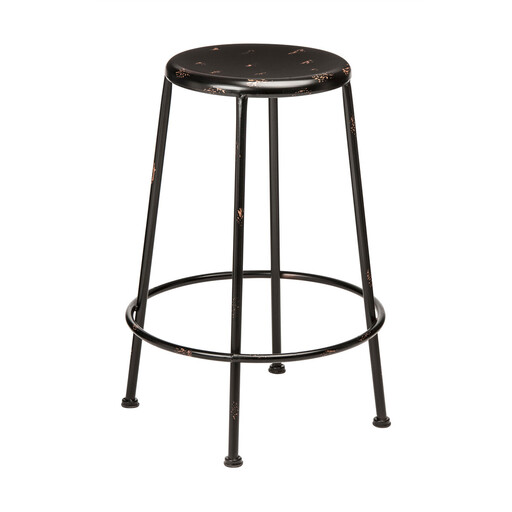
Why this product suits this profile: This compact metal bar stool is a good choice if you’re looking for easy-care seating for the kitchen or breakfast bar without fabric upholstery.
The product details specify a frame made from 100% iron, a footrest and a seat height of 70 cm. This makes it easier to check the material and seating position before you buy.
Four-legged metal frame, integrated footrest and cleaning with a soft cloth, as stated in the care instructions.
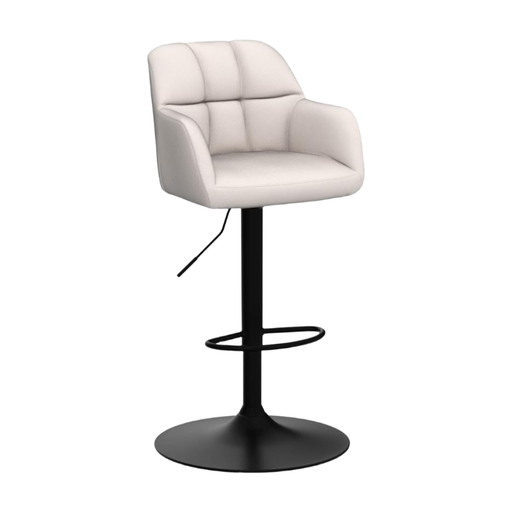
Why this product suits this profile: This set of two combines a fabric seat with a backrest, armrests and adjustable seat height, making it a great fit for a furnished kitchen island or home bar.
The adjustable seat height of 65 to 87 cm and stated capacity of 120 kg per stool give you clear, checkable details rather than a vague promise of comfort.
360-degree swivel, metal frame, footrests and velvet covering with foam padding; supplied as a set of two.

Why this product suits this profile: This model is designed for kitchen islands, counters, bars or cafés where you need several matching seats with swivel and height-adjustment features.
The product details include the seat height, materials, swivel function and weight capacity. They also give clear instructions for assembly, cleaning and checking the connections.
Set of two, height adjustment from 65 to 87 cm, 360-degree swivel, armrests and a padded backrest with footrests.
We’ve put together a complete, regularly updated list of products that meet these strict selection criteria and fully comply with the safety regulations in force in the EU.
Before using your stool for the first time, assemble and check all screws, connections and height-adjustment mechanisms according to the instructions. Place the bar stool on a level surface and avoid putting pressure on it from the side. If your model has a swivel function, check the mechanism regularly for looseness or unusual noises.
Clean fabric coverings according to the manufacturer’s instructions, using a soft brush or a suitable upholstery attachment with care. Treat stains locally. Harsh cleaning products, excessive moisture and prolonged exposure to direct sunlight can damage the covering and affect its colour.
Measure the height of the worktop and subtract around 25 to 30 cm to allow for legroom. For many kitchen islands, a seat height of around 60 to 70 cm is suitable. The exact height of the worktop is what matters, though.
Make sure there’s enough room for your shoulders and arms at each seat. Models with armrests need more space than slim stools without a backrest. Measure the available length and compare it with the product width, including the armrests.
There’s no reliable way to give a general lifespan. It depends on how often the stool is used, the load it carries, the floor, assembly and care. A clearly stated weight capacity, a sturdy frame, regular checks and using the stool as intended can all help it stand up to everyday use.