
Lieferung heute & morgen

Qualitätsgarantie

Willkommens-Angebote freischalten: KOSTENLOSE Lieferung | Bis zu 80 % RABATT | Kostenlose 30-Tage-JoyPlus-Testphase
App herunterladen
A bar stool can be a practical addition to a kitchen island, breakfast bar or home bar. In practice, however, unclear height specifications, delicate upholstery and insufficient load capacity often lead to disappointing purchases. If you choose based solely on colour or an attractive set price, you may only discover after delivery that the seat height does not suit your worktop or that the stool wobbles during everyday use.
This Joybuy buying guide from the Product Recommendation Officer explains which details matter before you buy and which models suit different usage scenarios.
Overall height refers to the distance from the floor to the top edge of the backrest. When using a stool at a counter, however, the seat height is what matters. As a practical guide, there should be sufficient legroom between the seat and the underside of the table or worktop. Depending on your height and the height of the surface, a gap of around 25 to 30 cm may be suitable.
A kitchen bar stool with an adjustable seat height of 65 to 87 cm is more versatile than a fixed-height model. If you are considering a bar chair with a seat height of 68 cm, check carefully before buying that it is compatible with your existing counter.
Velvet, polyester and faux leather differ in terms of cleaning and everyday use. A padded bar stool can be comfortable when sitting for longer periods, but it requires suitable care. For example, velvet should be vacuumed using a soft brush or upholstery attachment. Stains should only be treated locally with a mild cleaning product. Excessive moisture and harsh cleaners can alter the material.
For households with frequent use or for catering areas, the seams, frame and achievable load limit are also important. A decorative finish alone says little about how practical a stool is.
A swivel bar stool makes it easier to get up and change direction, but it requires a stable floor surface and correctly fitted connections. Armrests increase the space required. A metal bar stool with a footrest may be easy to maintain, but it is not automatically comfortable for every length of sitting time.
Also look for clear safety information: the maximum load per stool, assembly instructions, warnings against standing on the seat and whether the stool is suitable for indoor use. Children should not climb or rock on bar stools.
First, measure the height from the floor to the top edge of the counter. Then check:
A model with 360-degree rotation should not be placed directly against a wall if the seat could hit it when swivelling.
A metal frame is resistant to everyday knocks and can usually be wiped clean with little effort. Wooden or bamboo components can create a homely look, but they require a level surface and regular checks for loose connections or cracks.
Compare the maximum load per seat, rather than just the weight capacity of the entire set. This specification normally applies to one person and must not be interpreted as an invitation to apply sudden loads or jump on the stool.
A velvet bar stool suits modern living spaces, but depending on the colour and how it is used, dust or pressure marks may be more noticeable. Faux leather on armrests or seat surfaces can often be cleaned with a slightly damp cloth. The manufacturer’s specific care instructions always take priority.
For cafés, restaurants and busy kitchens, easy-to-reach surfaces, robust connections and straightforward cleaning are often more important than additional decorative details.
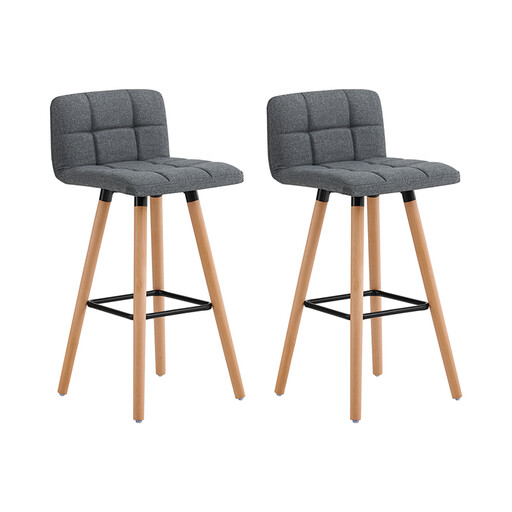
Why this product suits this profile: This set of two is ideal for households that need two fixed seats at a suitably high counter. The 68 cm seat height is clearly stated, making planning easier.
The fixed seat height avoids unclear adjustment options. Before buying, you simply need to check whether 68 cm is suitable for your worktop.
Padded seat, backrest, wraparound footrest, four legs and a stated load capacity of 90 kg per stool.
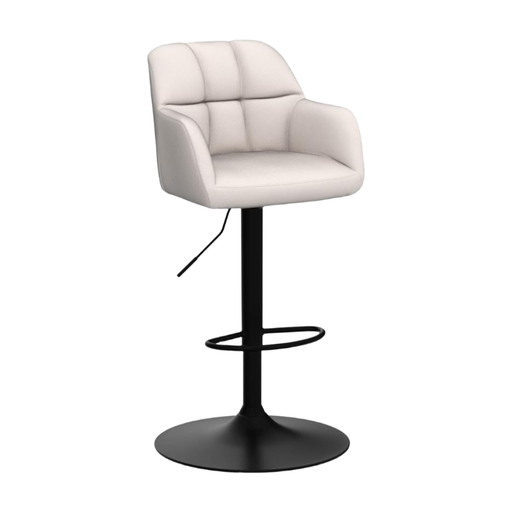
Why this product suits this profile: This set combines an adjustable seat height with a swivel function, making it suitable for kitchen islands, home bars or cafés where different seating positions are required.
The seat height can be adjusted between 65 and 87 cm. This reduces the risk of choosing based solely on appearance and then finding that the height is unsuitable.
Velour upholstery, padded seat, low backrest, armrests, 360-degree swivel, footrest and a load capacity of up to 120 kg per stool.
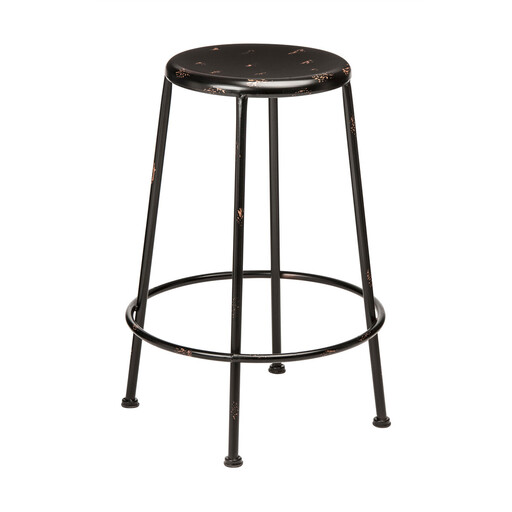
Why this product suits this profile: This compact single stool is designed for anyone looking for a straightforward metal bar stool for the kitchen, bar area or as an additional seat.
The frame is made entirely from iron, while the clearly stated height of 70 cm makes the material and space requirements easy to understand. The surface should be cared for with a soft cloth.
Four-legged metal frame, integrated footrest, delivered assembled and dimensions of approximately 50 cm in diameter and 70 cm in height.
We have compiled a complete, regularly updated list of products that fully meet these strict selection criteria and the safety regulations applicable in the EU.
Assemble every bar stool according to the instructions, then check the screws, connections and height mechanism. Place the furniture on a level, stable surface. With height-adjustable models, the locking mechanism should engage correctly before every use.
Do not stand on the stool or use it as a step ladder. Velvet and polyester upholstery should be cleaned regularly and gently. Metal surfaces can usually be wiped with a dry or slightly damp cloth; avoid abrasive products.
Measure the height of the worktop and subtract around 25 to 30 cm as a guide for legroom. As people’s heights and worktop shapes vary, you should also take the seat width and the position of the footrest into account.
A backrest can provide additional support while sitting. However, actual comfort also depends on the seat, padding, seat height and your individual posture. For longer periods of sitting, all of these factors should be assessed together.
It is not possible to give a reliable general service life. This depends on the load, assembly, condition of the floor, materials and care. Regularly checking the connections and observing the stated load limit can help ensure safe use.