
Lieferung heute & morgen

Qualitätsgarantie

Willkommens-Angebote freischalten: KOSTENLOSE Lieferung | Bis zu 80 % RABATT | Kostenlose 30-Tage-JoyPlus-Testphase
App herunterladen
The right barbecue sauce can marinate meat before grilling, glaze it as it cooks or be served as a dip afterwards. There’s plenty of choice, from classic American BBQ sauce to Korean galbi marinade and Japanese yakiniku sauce. That variety can make it harder to compare products: a sweet sauce for ribs behaves differently over high heat from a salty soy sauce marinade.
Descriptions such as “Woodsmoke”, “smoky” or “smoky barbecue sauce” indicate the flavour profile, but not necessarily how intense it is. The smoky taste can come from smoke flavouring, spices or a combination of ingredients. If you’re looking for a bold steakhouse flavour, compare the ingredients list and product description rather than relying on the front of the bottle alone.
Sugar, honey, molasses and syrup help create a glossy glaze. However, they can caramelise or burn quickly over high heat. A BBQ sauce with a high sugar content is therefore often better suited to finishing meat in the last few minutes of cooking. For example, Bull’s-Eye Original recommends applying the sauce only during the final 10 to 15 minutes of grilling.
A sauce may be suitable for marinating, but that doesn’t mean every cut of meat needs the same amount or marinating time. Korean products often contain soy sauce, fruit purée and spices, and are made specifically for beef or pork. By contrast, classic American barbecue sauce made with tomato and vinegar is often used as a dip or glaze. That’s why the instructions on the label matter more than general marketing claims.
First, think about what you’ll mainly use the sauce for:
The nutrition table lets you compare products objectively. For example, the products featured here range from 27 to 38 g of sugar per 100 g or 100 ml. Salt levels also vary considerably. According to the product information, Lee Kum Kee Spare Rib Sauce contains 11.1 g of salt per 100 g, while HP Honey Woodsmoke Barbecue Sauce contains 1.8 g per 100 g.
These figures aren’t a judgement of quality. They can help you choose if you want to avoid a particularly sweet barbecue sauce or use a sauce sparingly. If you’re choosing a marinade made with soy sauce, bear in mind that it’s often already well seasoned.
Before buying and using a sauce, check the information about soya, wheat, gluten, mustard and sesame. Recipes can vary between products. Many sauces need to be kept in the fridge once opened. Always follow the instructions on the individual packaging.
When marinating meat, keep the raw meat chilled. Sauce that has come into contact with raw meat shouldn’t be served as a dip without cooking it first. It’s best to set some sauce aside separately for glazing.
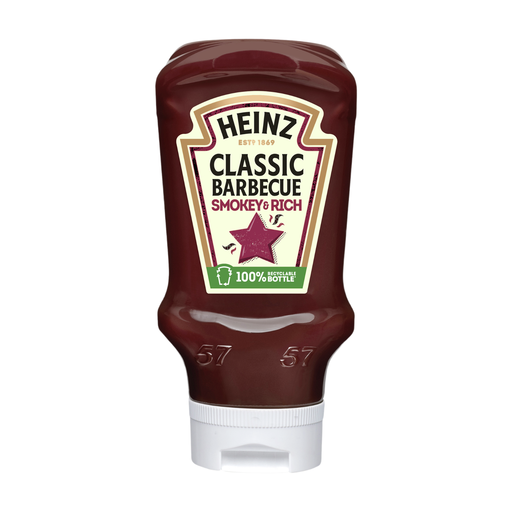
Why it suits this profile: This 400 ml bottle has classic tomato, vinegar and smoky notes, making it a versatile choice for grilled meat, sandwiches or dips, and ideal for regular use at home.
The ingredients and nutrition information show the levels of sugar and salt, as well as the use of smoke flavouring. Refrigeration is recommended after opening.
400 ml bottle, versatile uses and, according to the product information, 1.18 g of salt per 100 g.
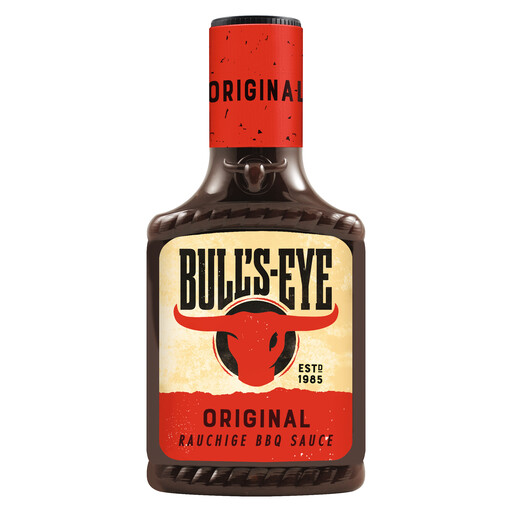
Why it suits this profile: This American barbecue sauce combines tomato concentrate, molasses, vinegar and smoke flavouring in a thicker sauce for ribs, steaks and chicken.
The instructions specifically recommend glazing during the final 10 to 15 minutes of grilling. This helps you use the sugary sauce at the right time.
300 ml bottle, thick consistency and, according to the product information, 33 g of sugar and 2.5 g of salt per 100 g.
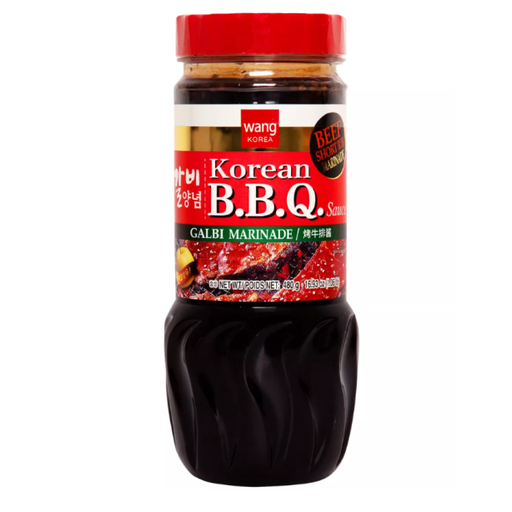
Why it suits this profile: This Korean BBQ sauce is made for beef ribs and can be used for marinating, grilling, frying or as a dip.
Its intended use is clearly described. The recommended marinating time ranges from at least 30 minutes to overnight.
480 g pack, with ingredients including soy sauce, pear purée, onion, garlic and sesame oil; allergens are listed.
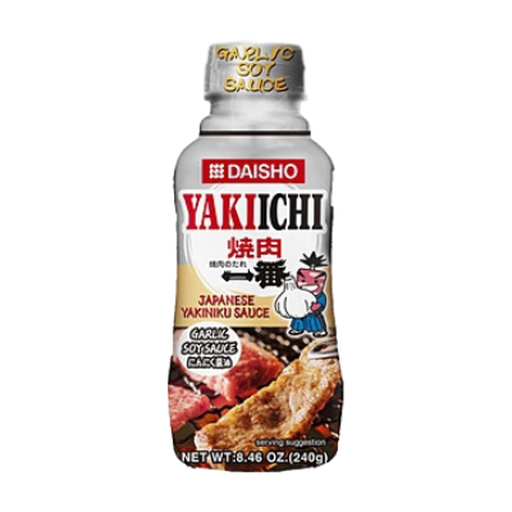
Why it suits this profile: This Japanese BBQ sauce combines garlic, soy sauce, miso, apple, sesame oil and toasted sesame for yakiniku, grilled dishes and dips.
The sauce is described as suitable not only for glazing on the grill, but also for dipping and seasoning. That makes it easy to get the most out of the smaller 240 g pack.
Garlic and sesame flavour, suitable for dipping and seasoning; according to the product information, 9.9 g of salt per 100 g.
We’ve put together a complete, regularly updated list of products that meet these strict selection criteria and fully comply with the safety regulations in force in the EU.
Thicker sauces with a sweet and savoury or smoky flavour work well with ribs. Ideally, apply the sauce towards the end of grilling so the sugar and molasses don’t get too hot. Korean galbi marinades are an alternative if you want to season the meat for several hours first.
It depends on the instructions on the packaging. Many products should be refrigerated after opening and used within the recommended time. Look out for changes in smell, colour or consistency, or any damage to the packaging. Always follow the manufacturer’s instructions for safe use.
Yes, as long as the product is intended for that purpose. Apply a BBQ marinade directly to the raw meat, then cook the meat thoroughly. If you want to use the sauce as a dip later, set aside an untouched portion. If the product contains soya, wheat or sesame, be sure to check the allergen information too.