
Lieferung heute & morgen

Qualitätsgarantie

Willkommens-Angebote freischalten: KOSTENLOSE Lieferung | Bis zu 80 % RABATT | Kostenlose 30-Tage-JoyPlus-Testphase
App herunterladen
As a Joybuy Product Recommendation Officer, I see how the market for plant-based milk alternatives is evolving every day. The barista oat milk category, in particular, has become essential for coffee enthusiasts. However, the vast selection often leads to confusion and buyer's remorse. This guide will help you cut through the noise and make an informed decision without falling for marketing hype.
Before we dive into the selection criteria, let's highlight the typical issues that lead to disappointment. Knowing these will help you make a more conscious purchase.
To avoid these pitfalls, you should check three core aspects before buying. These objective criteria are more important than any advertising claim.
A stable, velvety microfoam is created by a balanced ratio of fat and protein.
A good barista milk alternative is either neutral in taste or has a subtle, pleasant sweetness that complements the coffee.
Instead of a one-size-fits-all recommendation, we've matched products to different needs and preferences.
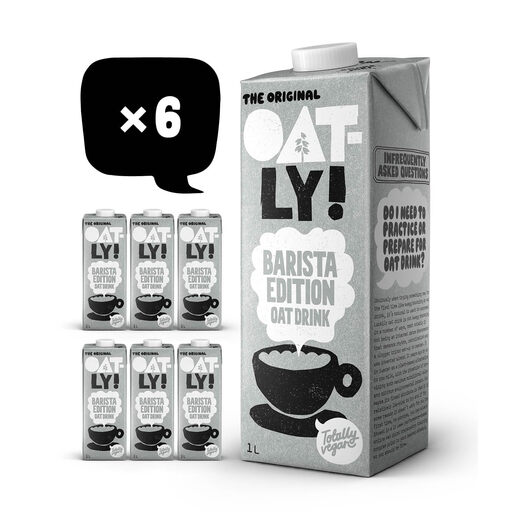
Why This Fits Their Persona: This product is a benchmark in the barista segment. It's known for its reliable performance and a balanced flavour that is appreciated by many coffee enthusiasts and cafés. Ideal for anyone looking for a tried-and-true product without the guesswork.
It consistently delivers the fine, stable foam that the "Barista" label promises. The flavour is harmonious and doesn't overpower the coffee.
High reliability in foaming; balanced flavour profile with 3.4g of sugar per 100 ml.
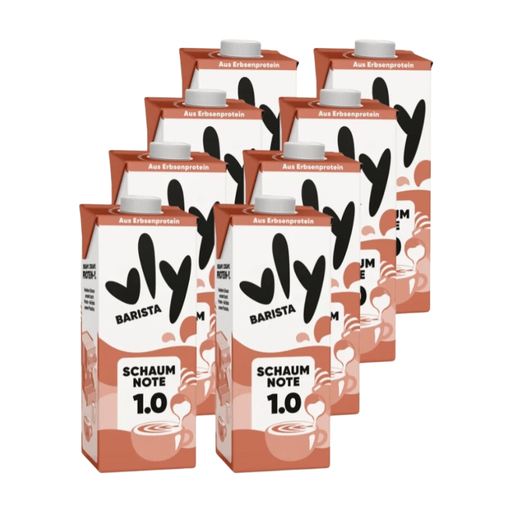
Why This Fits Their Persona: For users who value a short ingredient list, low sugar, and a low-allergen formula. The pea protein base is an interesting alternative to oat and soy.
It directly addresses the "hidden sugar" pitfall: according to the manufacturer, the product contains 60% less sugar than many other barista drinks. The flavour is intentionally kept neutral.
Very low sugar content (1.4g/100 ml), high protein content (2.0g/100 ml) from pea protein, and free from soy, gluten, and nuts.
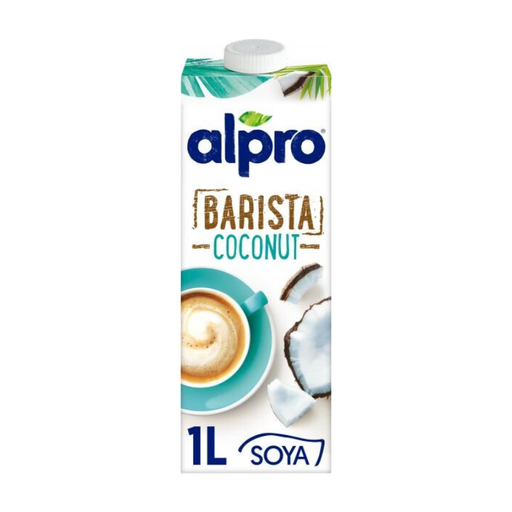
Why This Fits Their Persona: Perfect for anyone who wants to add an exotic note to their coffee. This drink isn't a neutral base but an active flavour component for tropical cappuccinos or iced coffees.
It sidesteps the "overpowering flavour" pitfall by intentionally offering a distinct flavour profile. Here, the coconut taste isn't a flaw but its main feature.
Good foamability for latte art; lends a unique, tropical note to coffee drinks; low-fat (1.4g/100 ml).
We have compiled a complete, up-to-date list of products that fully meet these strict selection criteria.
1. Why does my plant-based drink curdle in coffee? Curdling usually happens when the plant-based protein reacts with the coffee's acidity and heat. That's why barista editions often contain an acidity regulator (e.g., dipotassium phosphate) to stabilise the pH and prevent this. Pouring the drink slowly into the coffee can also help.
2. Can you foam any oat milk? In theory, yes, but the results will vary widely. Standard oat drinks often have lower fat and protein content, which leads to an unstable and bubbly foam. For the creamy, long-lasting vegan milk foam you get in a café, a dedicated barista oat milk variety is by far the better choice.
3. How should I store opened barista oat milk? Once opened, the carton should always be stored in the refrigerator. Most manufacturers recommend consuming the contents within 5 days. Be sure to shake the carton well before each use, as the ingredients can settle.