
Lieferung heute & morgen

Qualitätsgarantie

Willkommens-Angebote freischalten: KOSTENLOSE Lieferung | Bis zu 80 % RABATT | Kostenlose 30-Tage-JoyPlus-Testphase
App herunterladen
Dry, sensitive or irritated skin doesn’t automatically benefit from every rich moisturiser. A barrier cream should lock in moisture and support the skin barrier without causing unnecessary irritation or leaving an unpleasantly heavy film. When choosing one, the ingredients, texture and intended use matter more than eye-catching marketing claims.
Ceramides, panthenol, Centella Asiatica and hyaluronic acid are commonly found in a barrier repair cream. But the presence of a particular ingredient alone tells you little about the overall formula. Its position in the INCI list, how it’s combined with lipids and how well you tolerate the other ingredients all matter too.
For example, a ceramide cream may also contain fragrance, essential oils or numerous plant extracts. If you have sensitive skin, it’s worth checking the full ingredients list rather than just the front of the packaging.
A very thick cream can feel comforting on dry skin, but it won’t suit every routine. If you prefer a light layer under make-up or sun protection, a fast-absorbing gel cream may be a better choice. On the other hand, a very light texture may not be enough if your skin feels particularly tight.
The key is to choose a product that suits your skin and when you plan to use it: something light in the morning, more nourishing in the evening, or targeted application on dry patches.
Descriptions such as ‘soothing face cream’ or ‘cream for skin irritation’ don’t guarantee that a product will suit your skin. Even natural fragrances and essential oils can bother sensitive skin. If you have an existing skin concern, don’t treat cosmetic skincare as a substitute for seeking advice from a dermatologist.
Ceramides are part of the skin barrier and are combined with other lipids in many barrier creams. A formula is easier to assess if it lists Ceramide NP, AP or EOP alongside ingredients such as cholesterol, phytosphingosine or lecithin. This isn’t a promise of effectiveness, but it can help you assess the formula more objectively.
Glycerin, panthenol, hyaluronic acid, beta-glucan and trehalose can help hydrate the skin as part of an intensive moisturiser. Oils, esters, waxes, silicones and fatty alcohols affect how a product feels on your skin and can help keep moisture in.
For a face cream for dry skin, a combination of humectants and emollient ingredients is often more practical than relying on one headline ingredient.
A 50 ml jar is a good fit for a compact skincare routine. A 75 or 100 ml size can be useful if you regularly apply the cream to your face and neck. If you’re buying it for specific dry patches or to use on the go, a smaller tube is easier to dispense.
Ingredients may vary between production batches. So, before buying and using a product, check the information on the actual packaging. A patch test on a small area of skin is particularly useful if your skin is sensitive or reactive.
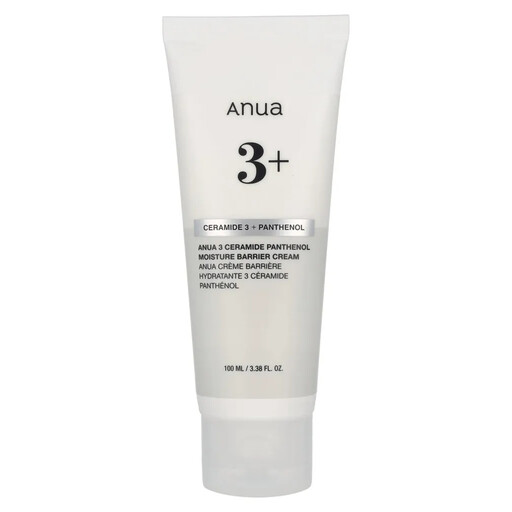
Why this product suits this profile: The 100 ml size is suitable for daily use on the face and neck. The formula contains panthenol, Centella Asiatica, hyaluronic acid, and Ceramides NP, AP and EOP.
The product information names specific ceramides and panthenol rather than relying on general terms alone. The product page describes its texture as light and fast-absorbing.
100 ml; panthenol, Centella Asiatica and several types of ceramide in the stated INCI list.
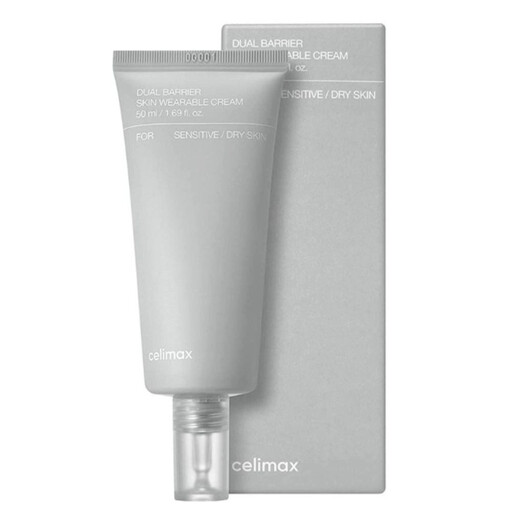
Why this product suits this profile: The formula combines several types of ceramide with panthenol, cholesterol, phytosphingosine and lecithin. It’s a good fit for shoppers who want to assess the lipid profile of their skincare using the INCI list.
The description covers the texture, how to use it and several barrier lipids. This makes it easier to choose a product that suits how your skin feels and your skincare routine.
50 ml; Ceramides NP, NS, AS, AP and EOP, as well as cholesterol, in the stated formula.
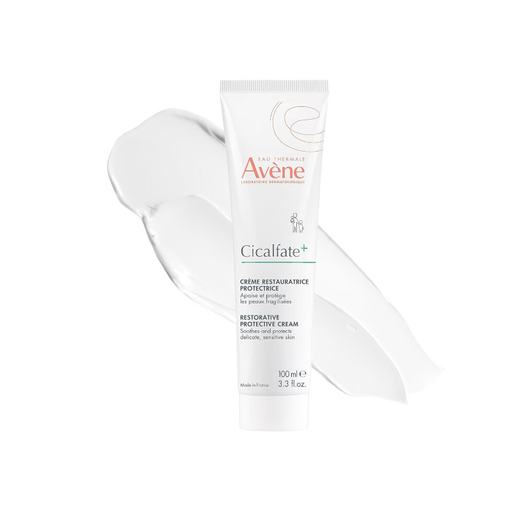
Why this product suits this profile: This 100 ml cream is designed for targeted use on dry or stressed areas of skin. The stated formula includes glycerin, mineral oil, zinc oxide and beeswax.
It’s described not only as an everyday moisturiser, but also for use on specific affected areas. This helps avoid choosing a product based on expectations that don’t match its texture.
100 ml; protective ingredients such as zinc oxide, mineral oil, glycerin and beeswax.

Why this product suits this profile: According to the stated INCI list, this Korean skincare product contains ceramides, cholesterol and seven forms of hyaluronic acid. Its silky texture is designed to fit into a multi-step skincare routine.
The product description names specific ingredient groups and says to apply it as the penultimate or final step. This makes it easier to pair the cream with toner, serum and sun protection.
50 ml; ceramides, cholesterol and several forms of hyaluronic acid in the stated ingredients list.
We’ve put together a complete, regularly updated list of products that meet these strict selection criteria and comply fully with the safety regulations in force in the EU.
Stop using the product if you experience stinging, itching, increasing redness or a rash. Don’t apply products to open wounds or severely damaged skin unless the packaging says otherwise.
Look for a well-balanced combination of moisturising ingredients and skin-conditioning lipids. Depending on the formula, ceramides, panthenol, glycerin, hyaluronic acid or Centella Asiatica may be suitable ingredients. Texture, fragrance content, pack size and how well you tolerate the product are just as important.
Many products are intended for use in the morning and evening, according to the manufacturer. The key is whether the texture works with the rest of your skincare products. If you’re using a rich cream, a smaller amount may be enough in the morning. Use sun protection during the day as well.
Check the best-before date or the period-after-opening symbol on the packaging. Close the jar or tube after each use, and store the cream in a cool, dry place away from direct sunlight. If the colour, smell or consistency has changed noticeably, check the product carefully before using it again.