
Lieferung heute & morgen

Qualitätsgarantie

Willkommens-Angebote freischalten: KOSTENLOSE Lieferung | Bis zu 80 % RABATT | Kostenlose 30-Tage-JoyPlus-Testphase
App herunterladen
Sensitive skin doesn’t always react immediately to a new product. Feelings of tightness, dry patches or redness can sometimes only become noticeable after several applications. A barrier cream for sensitive skin should therefore not be chosen based solely on marketing claims like “Repair”, “Glow” or “24-Hour Moisture”. What really matters is the formulation, the texture and how you plan to use it.
A lightweight hyaluronic acid cream can bind water and create a pleasant skin feel. However, to support the skin barrier, you also need skin-identical lipids such as ceramides, cholesterol and fatty acids. Without a final, protective layer, dry skin can still feel tight even after using a hydrating serum.
This label is no substitute for checking the INCI list. Fragrances, essential oils, alcohol or a large number of plant extracts may not suit everyone. Even a cream marketed as gentle should first be tested on a small area of skin.
A very occlusive cream can feel uncomfortable on oily or blemish-prone skin. Conversely, a gel-like texture may not provide enough comfort for very dry skin. The right moisturiser for dry skin therefore depends on your skin’s condition, the season and how you intend to use it.
Ceramides support the function of the outer skin layer as part of skin-like lipid structures. A ceramide cream may also contain cholesterol, phytosphingosine or lecithin. However, simply seeing “ceramides” on the front of the pack isn’t enough: check the full ingredients list and pay attention to the specific product size.
Glycerin, panthenol, beta-glucan and various forms of hyaluronic acid are typical humectants. A multi-layer hyaluronic acid complex doesn’t automatically mean a medical effect; it simply describes the molecular forms used. For dry skin, combining humectants with a protective cream is often more practical than using a single serum.
For daily facial use, 40 to 80 ml is typical. A lighter gel-cream often suits combination skin or a multi-step routine. Richer formulations with shea butter, oils or waxes can be useful for dry patches and during winter. Apply the cream after cleansing and, if you use them, after toner or serum. In the morning, follow with sunscreen.
Ingredients can vary between batches, so always check the ingredients list on the product packaging. If you experience burning, itching, swelling or persistent redness, stop using the product and seek medical advice if needed. Cosmetic care is not a substitute for dermatological treatment.
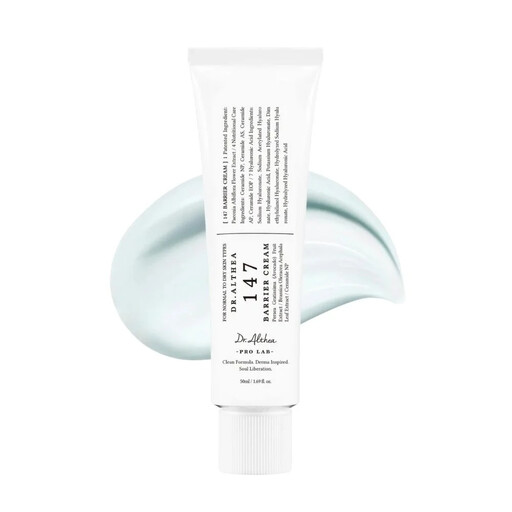
Why this product fits the profile: According to the product description, this cream combines ceramides, bisabolol and seven forms of hyaluronic acid. The silky, residue-free texture is suitable for a daily Korean skincare routine.
The ingredients list includes both ceramides and several humectants, so the care isn’t focused on a single marketing ingredient.
50 ml content, ceramides NP, AS, AP, NG, NS and EOP, plus various hyaluronic acid derivatives.
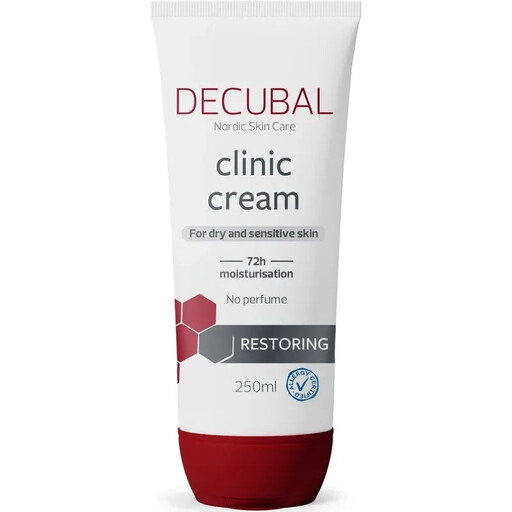
Why this product fits the profile: According to the product description, the large 250 g pack is intended for dry, sensitive skin and can be used on both face and body. This suits households with frequent skincare needs.
The product description mentions a 38% lipid content and a fragrance-free, colourant-free and paraben-free formulation. These claims should be cross-checked with the packaging.
250 g content, glycerin, lanolin and dimethicone; designed for dry body areas and regular use.
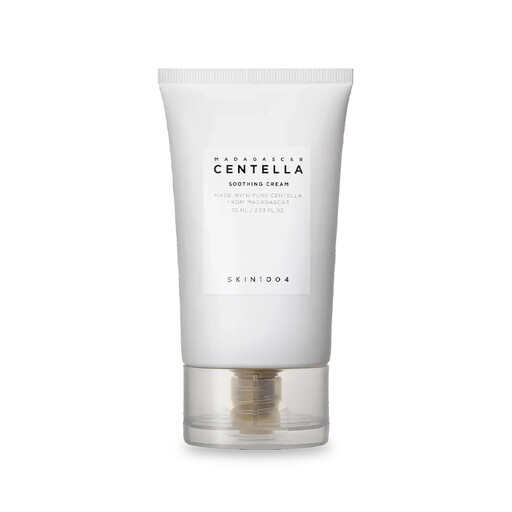
Why this product fits the profile: According to the product information, this refreshing cream contains centella asiatica extract, ceramides, cholesterol and hyaluronic acid. It’s of interest to those who prefer a lighter cica cream.
Alongside the plant-based cica ingredient, ceramides and cholesterol are listed. This allows you to assess the barrier care based on specific ingredients.
75 ml content, ceramides NP, NG, AS, AP and EOP, plus centella asiatica extract and sodium hyaluronate.
We’ve put together a full, regularly updated list of products that meet these strict selection criteria and comply fully with EU safety regulations.
A barrier cream is usually used as the last or second-to-last step in your facial skincare routine. If you use a serum, such as an intensive moisturising treatment with hyaluronic acid, the cream follows as the final layer. If you have sensitive skin, start with a small amount and only increase use if your skin tolerates the formulation well.
For shelf life, check the printed expiry date, the batch number and, if present, the symbol indicating how long the product lasts after opening. Store the product in a dry, cool place away from direct sunlight. Any change in smell, colour or consistency is a reason to stop using the cream.
Ceramides, cholesterol, glycerin, panthenol, squalane or hyaluronic acid are often beneficial. Your personal tolerance remains the most important factor. Also check for fragrances, essential oils and other potentially irritating ingredients.
Yes, as long as the texture suits your skin. Lightweight gel-creams can feel more comfortable than heavily greasy formulations. If you have blemishes, apply the cream thinly and test it on a small area first.
The usual routine is morning and evening after cleansing. For dry skin, an additional application on specific areas may be helpful. If irritation occurs, pause the product and investigate the cause.