
Lieferung heute & morgen

Qualitätsgarantie

Willkommens-Angebote freischalten: KOSTENLOSE Lieferung | Bis zu 80 % RABATT | Kostenlose 30-Tage-JoyPlus-Testphase
App herunterladen
Dry, tight or easily reddened skin doesn’t automatically need an ultra-rich cream. What really matters is whether the formula suits your skin type, the season and the rest of your skincare routine. A Barrier Repair Cream can help lock in moisture and keep your skin’s surface feeling smooth and supple. However, the term “Repair” isn’t a legally protected quality standard.
Product names featuring “Barrier”, “Repair” or “Soothing” sound clear-cut, but on their own they tell you very little about the actual composition. What’s relevant is the full INCI list. Ceramides, glycerin, panthenol, squalane, hyaluronic acid or skin-identical lipids can all perform different roles within a formulation.
A high proportion of plant extracts isn’t suitable for every sensitive skin type. Fragrances and essential oils can also be a deciding factor for reactive skin.
A very thick, occlusive cream can feel comforting on dry winter skin, but it may feel heavy on combination skin or skin prone to blemishes. A lightweight gel-cream can be more practical for daytime use, yet it might not be sufficient for very dry areas of the body.
So pay attention to texture, area of application and skin type rather than just marketing claims like “intensive care”.
A cream for sensitive skin is a cosmetic care product. It can improve how your skin feels and provide hydration, but it does not replace a dermatological diagnosis. If you have open wounds, persistent stinging, weeping areas or a noticeable worsening of your skin, you should stop using the product and seek medical advice.
Ceramides are components of the skin’s natural barrier. A Ceramide Cream could be worth considering if you’re specifically looking for a formula containing ceramides. Some products combine several types of ceramide with cholesterol, phytosphingosine or lecithin. These combinations can be verified by checking the INCI list.
What matters isn’t just the number of ceramides listed, but whether the entire formulation suits your skin. For very dry skin, additional ingredients like squalane, shea butter or plant oils can be beneficial. For combination skin, a lighter emulsion may fit better into your routine.
Glycerin, panthenol and hyaluronic acid are among the most commonly used humectants. A Panthenol Cream can be a good option if you’re looking for gentle, moisture-focused care. Squalane, dimethicone or certain oils can also help reduce moisture loss.
For a moisturiser for dry skin, the interplay between humectants and protective ingredients is usually more important than any single trendy active ingredient.
Airless or airtight packaging can reduce the contact between the formula and air or your fingers. For sensitive skin, a shorter ingredient list is often easier to assess. Before you buy, check:
Always test a new product on a small patch of skin first. If your skin barrier is irritated, start with a simple routine of gentle cleansing, moisturising and daytime sun protection.
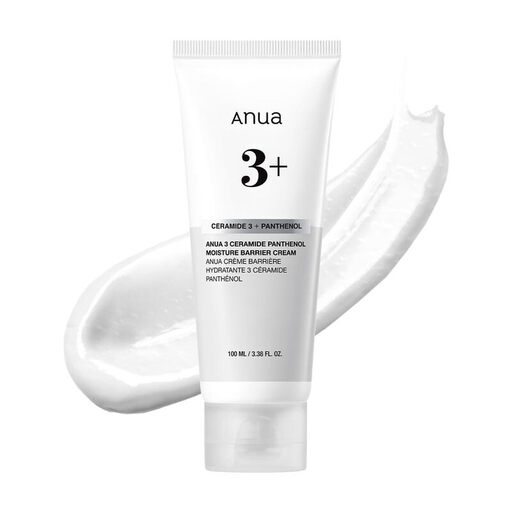
Why this product fits the profile: The 100 ml size is ideal for a daily face and neck routine. Panthenol, centella and several ceramides are listed in the INCI.
The choice can be assessed based on specific ingredients rather than just the product name. The lightweight texture is described as fast-absorbing.
100 ml fill size; panthenol, ceramides NP, AP and EOP, plus hyaluronic acid in the stated formulation.
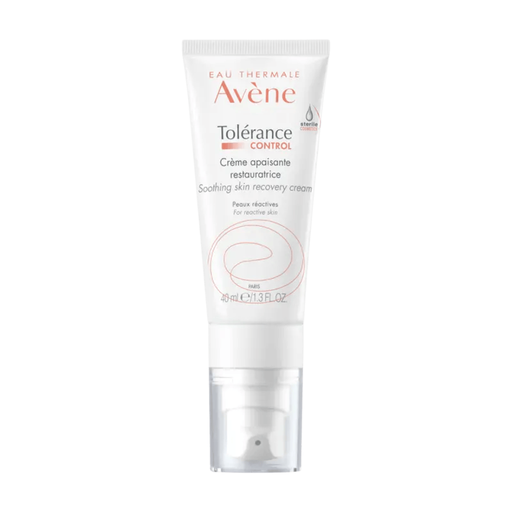
Why this product fits the profile: The fragrance-free and preservative-free formulation is designed for hypersensitive and reactive skin. The airtight packaging is an additional product feature.
The choice focuses on a reduced fragrance and preservative strategy rather than a long list of care promises.
40 ml content; according to product information, it is fragrance-free, preservative-free and non-comedogenic.
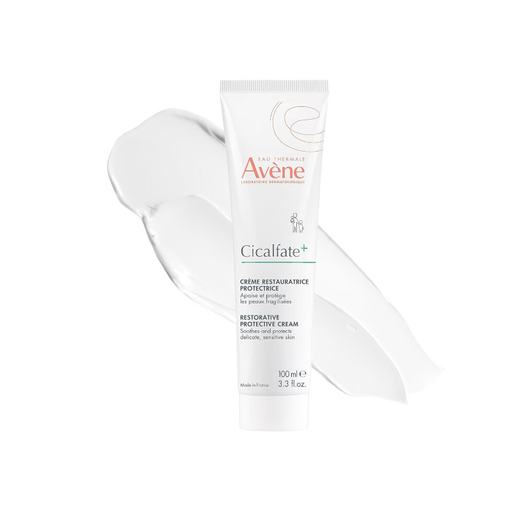
Why this product fits the profile: The larger tube is suitable for targeted care of dry or stressed skin areas and can be used once or twice daily according to the manufacturer.
Its intended use for irritated skin areas is more clearly defined than that of a universal face cream. The richer protective texture should be used selectively.
100 ml content; formulated with glycerin, zinc oxide and a postbiotic component according to product information.
We’ve put together a full, regularly updated list of products that fully meet these strict selection criteria and the safety regulations in force in the EU.
That depends on the product and how your skin feels. Many creams are intended for both morning and evening use. For dry skin, regular application can be beneficial; for combination skin, a smaller amount or evening-only use may be sufficient. Always follow the instructions on the packaging.
Look for a short, easy-to-understand INCI list and check whether fragrances or essential oils are included. A soothing face cream with glycerin, panthenol or ceramides could be a suitable choice. If you have a known allergy, you should carefully cross-check all ingredients.
Cosmetic care can hydrate the skin, limit moisture loss and support how your skin feels. The phrase repair the skin barrier in a retail context usually describes this nourishing function, not the treatment of a medical condition. For persistent problems or severely damaged skin, a dermatological assessment is advisable.