
Lieferung heute & morgen

Qualitätsgarantie

Willkommens-Angebote freischalten: KOSTENLOSE Lieferung | Bis zu 80 % RABATT | Kostenlose 30-Tage-JoyPlus-Testphase
App herunterladen
A Barrier Repair Cream is designed to hydrate dry, tight or sensitive skin and support its natural protective function. However, choosing the right one isn't just about a term on the packaging. What really counts is the formulation, the texture and how well it works with your personal skincare routine.
"Barrier Repair", "soothing" or "intensive care" are product descriptions, not uniformly protected quality marks. That's why you should always check the INCI list. Ceramides, glycerin, panthenol, squalane, hyaluronic acid or skin-identical lipids can, depending on the formulation, contribute to hydration and support the skin barrier.
A ceramide cream isn't automatically suitable for every skin type. The rest of the formula, fragrances, essential oils and whether the consistency is rich or light all play a part too.
An intensive moisturiser can be beneficial for very dry skin. However, if you have combination or oily skin, a heavy texture can feel uncomfortable. A light gel-cream is often easier to wear during the day or under sunscreen, whereas a richer cream is better suited to dry areas or your evening routine.
Even a face cream marketed as gentle for sensitive skin can trigger reactions in some people. If you have known allergies to bee products, essential oils or certain plant extracts, it's worth checking the ingredients list. Always test a new product on a small patch of skin first, and stop using it if you experience redness, itching or stinging.
For caring for irritated skin, several groups of active ingredients are relevant:
The term "repair the skin barrier" in a cosmetic context is not the same as medical treatment. A cream can support skincare and moisture balance. If you have persistent discomfort, open wounds or severe signs of inflammation, you should seek medical advice.
Pay attention to how the product is intended to be used. Some products are applied as the last step morning and evening, while others are better suited to targeted dry patches. A thin layer is often enough. For very dry skin, you can apply a second, sparing layer to particularly stressed areas.
In the morning, you should follow your skincare with a suitable sunscreen. A barrier cream does not replace sunscreen unless it has a stated UV protection factor.
Don't just compare the price of the pot – also compare the contents in millilitres or grams. Also check the batch number, expiry date and the information on the original packaging. Formulations can be updated, so always refer to the ingredients list on the product you have purchased.
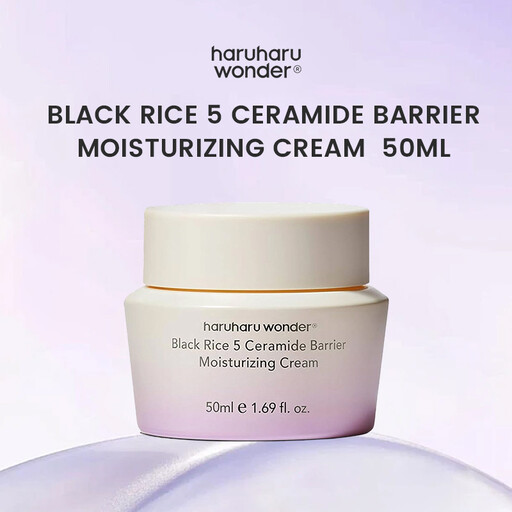
Why this product fits the profile: This 50 ml cream combines glycerin with a reportedly encapsulated ceramide complex and is suitable for a simple Korean skincare routine in the morning or evening.
The product information lists specific ceramide ingredients, avoiding purely generic barrier marketing claims.
Ceramide NP, glycerin and allantoin are listed in the INCI; the texture is designed for daily facial care.
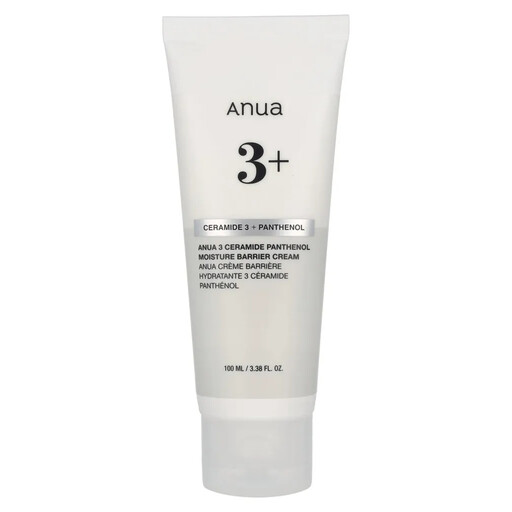
Why this product fits the profile: With 100 ml content and a reportedly light, non-sticky texture, this cream is suitable for regular facial care.
The choice can be assessed through three ceramide types, panthenol and the stated use as the final skincare step.
100 ml, panthenol, centella asiatica, ceramides NP, AP and EOP, plus allantoin according to the product information.
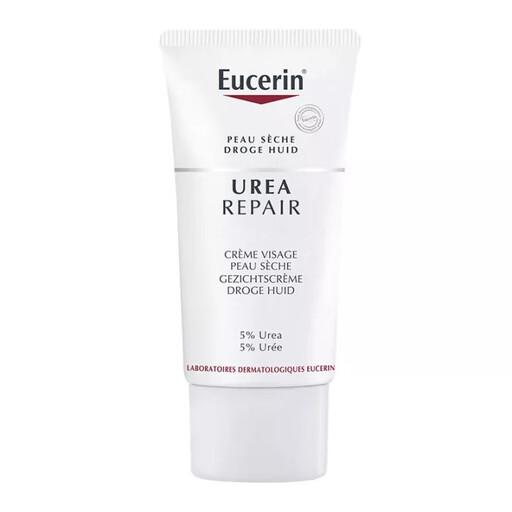
Why this product fits the profile: This face cream contains 5 percent urea according to the stated composition and is designed for morning use on the face, neck and décolletage.
The urea content is clearly stated. This allows shoppers to match the product more precisely to their hydration needs.
Urea and glycerin are listed near the top of the INCI; the pack size is 50 ml.
We've put together a full, regularly updated list of products that fully meet these strict selection criteria and the safety regulations in force in the EU.
Using several new products at once makes it harder to assess individual tolerance. If you experience severe or persistent irritation, stop using the product and seek medical advice if necessary.
For very dry skin, richer formulations with urea, glycerin, ceramides, shea butter or squalane are often a good choice. However, the right texture depends on your personal skin feel and other ingredients. Testing on a small area before applying it more widely can be a sensible precaution.
Many of the products mentioned are intended for daily use both morning and evening according to the product information. Nevertheless, always check the instructions on the packaging. In the morning, a product without stated UV protection should be followed with sunscreen.
The expiry symbol, the date you opened it and the information on the packaging are what matter. If the smell, colour or consistency changes, the product should not be used. Direct sunlight and high heat can affect product quality.