
Lieferung heute & morgen

Qualitätsgarantie

Willkommens-Angebote freischalten: KOSTENLOSE Lieferung | Bis zu 80 % RABATT | Kostenlose 30-Tage-JoyPlus-Testphase
App herunterladen
A barrier repair cream is designed to care for dry, tight or irritated skin and support the skin’s natural protective barrier. However, not every product featuring terms such as “repair”, “cica” or “barrier” will suit every skin type. The key factors are the ingredients, texture and intended area of use.
Ceramides, panthenol, squalane, glycerine and Centella asiatica are common ingredients in repairing face creams. However, their mere presence says nothing about individual tolerance or whether the product offers the right level of care. Checking the full INCI list is therefore more important than an eye-catching ingredient name on the front of the packaging.
A highly occlusive balm may be useful for caring for dry hands or rough elbows, but can feel heavy on oily or blemish-prone facial skin. Conversely, a lightweight gel cream may not provide enough protection for very dry skin. The texture should suit both your skin’s condition and the affected area of the body.
Such claims do not replace checking the ingredients. Even a fragrance-free cream can cause unwanted reactions if you have an individual sensitivity. When trying a new product, it is advisable to test it on a small area first. Persistent redness, burning, weeping areas or open wounds should be assessed by a medical professional.
A ceramide cream may be a sensible choice if your skincare routine is focused on maintaining the skin barrier. Ceramides feature in several of the formulations listed, including Pyunkang Yul Intensive Repair Cream, Eucerin DermoPure Clinical Hydra Repair Soothing Cream and Rohto Carecera AP Barrier Balm. Additional lipids such as cholesterol, squalane or plant oils affect how rich the product feels.
It is not just one individual ingredient that matters, but the formulation as a whole. For very dry skin, creamy or balm-like products are often more suitable than lightweight gels. A thinner texture may feel more comfortable on combination skin.
Glycerine, hyaluronic acid and panthenol help bind moisture and support the skin’s hydration. A panthenol cream may therefore fit into a daily skincare routine if you experience tightness or dry skin. Centella asiatica, madecassoside and bisabolol are also frequently used in skincare for sensitive skin.
The important point is that cosmetic products can support your skincare routine, but are not automatically suitable for treating a medical condition. The term medical skincare often describes a product category or positioning, rather than necessarily referring to a medicinal product.
For reactive skin, a fragrance-free formulation may be a practical choice. According to their product descriptions, Eucerin DermoPure Clinical Hydra Repair Soothing Cream and Avène Tolerance Control Soothing Repair Cream are offered without fragrance. For sensitive skin, your routine should also be kept as simple as possible: gentle cleansing, a suitable moisturiser and appropriate sun protection during the day are often enough for a straightforward basic routine.
Pay attention to the expiry date, batch number and packaging instructions. An airtight packaging system can help protect the formulation from frequent exposure to air. Creams should be stored according to the manufacturer’s instructions and should not be used beyond the recommended period after opening.
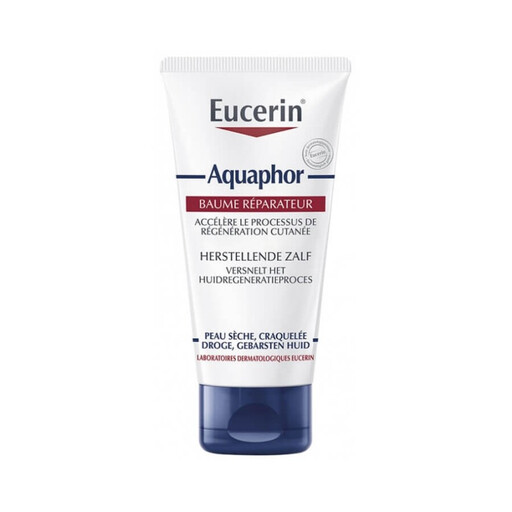
Why this product suits this profile: This balm is intended for targeted dry areas such as the hands or elbows. A small amount can be applied precisely where needed.
The compact balm texture is clearly different from a lightweight day cream and is suitable for limited areas rather than widespread application.
Paraffinum liquidum, glycerine, panthenol and bisabolol; use as required according to the product information.
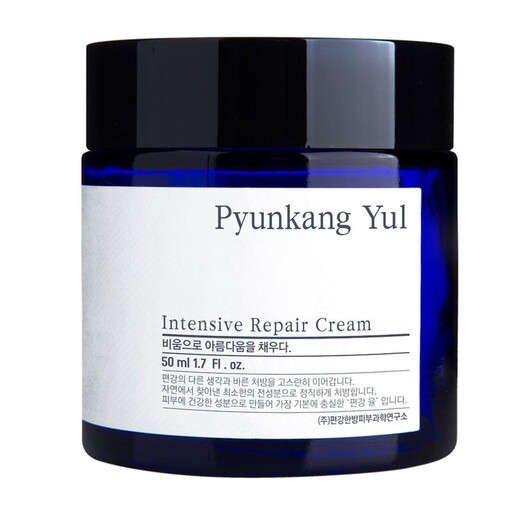
Why this product suits this profile: According to the description, this creamy 50-ml formulation is aimed at dry skin and combines ceramides, shea butter and plant oils.
The stated ingredients allow you to compare the product directly with marketing terms such as “Barrier Strengthening”.
Ceramide NP, glycerine and shea butter; use in the morning and evening according to the product information.
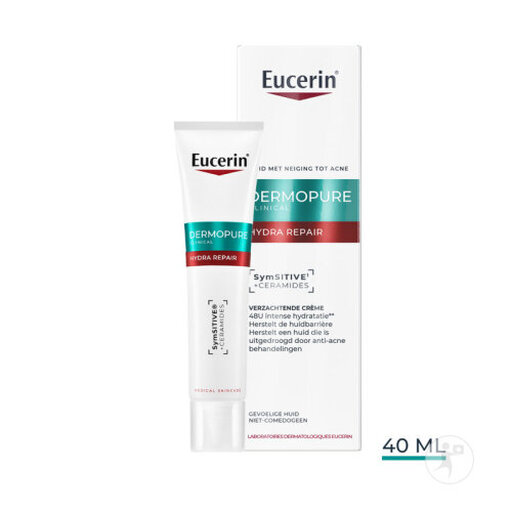
Why this product suits this profile: According to the product description, this cream is intended for sensitive, blemish-prone skin and skin dried out by acne treatments.
The fragrance-free formulation reduces a common trigger in sensitive skincare routines and specifies the intended area of use.
Panthenol, squalane and ceramide NP; 40 ml, with use in the morning and/or evening.
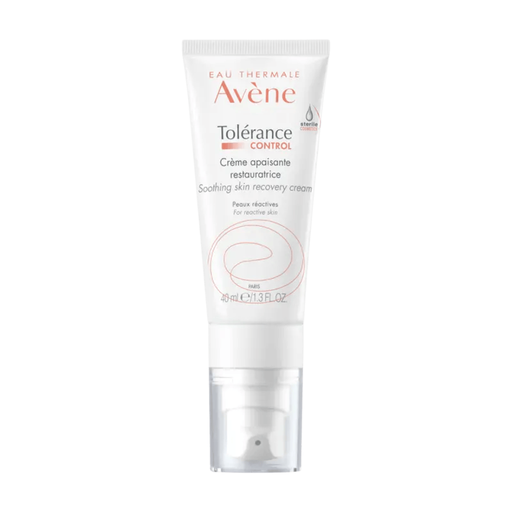
Why this product suits this profile: This 40-ml cream is described as fragrance-free and preservative-free, and is intended for hypersensitive, reactive or intolerant skin.
Its streamlined formulation and airtight packaging are clear selection criteria, rather than relying solely on a promise made on the front of the packaging.
Fragrance-free formulation, squalane and glycerine; according to the product information, it can be used twice daily or as required.
We have put together a complete, regularly updated list of products that fully meet these strict selection criteria and the safety regulations applicable in the EU.
A cream should not be applied to open, bleeding or weeping wounds unless the product information expressly states otherwise. If you experience discomfort following a cosmetic or dermatological treatment, follow the instructions provided by the treating practice.
For dry skin, richer formulations containing glycerine, squalane, ceramides, panthenol or protective lipids may be worth considering. A balm such as Aquaphor can be more practical for individual rough patches, while a classic cream is often better suited to the whole face.
That depends on the condition of your skin and the formulation. A fragrance-free, simply formulated soothing cream for sensitive skin may be an option. If you have open areas, increasing burning, swelling or persistent redness, stop using the product and seek medical advice.
The printed expiry date is the key reference, along with the symbol showing the recommended period of use after opening. Storage, dispensing and packaging all affect product quality. Tubes or jars should be closed securely and stored according to the manufacturer’s instructions.