
Lieferung heute & morgen

Qualitätsgarantie

Willkommens-Angebote freischalten: KOSTENLOSE Lieferung | Bis zu 80 % RABATT | Kostenlose 30-Tage-JoyPlus-Testphase
App herunterladen
Sensitive facial skin often reacts to cold weather, dry central-heating air, frequent washing or an overly extensive skincare routine. A barrier cream for sensitive skin should primarily provide moisture and support the skin’s natural protective barrier. However, not every rich face cream is suitable for every skin type.
Terms such as barrier repair cream, “repair” or “protective shield” are initially just product descriptions. The full INCI list is what matters. Useful points of reference include ceramides, glycerin, panthenol, squalane, hyaluronic acid and skin-conditioning lipids. An ingredient’s position in the list may indicate its relative concentration, but it does not replace an individual tolerance test.
Essential oils and fragrance ingredients that must be declared, such as limonene, linalool or citral, may be relevant for people with sensitive skin. A fragrance marketed as “natural” is not necessarily better tolerated. If you are prone to redness or skin irritation, choose a fragrance-free or low-fragrance face cream and test new products on a small area of skin first.
Dry skin often benefits from more intensive moisturising care containing emollients and occlusive ingredients. On combination or oily skin, however, a balm may feel heavy. A lightweight gel cream or fast-absorbing serum may be more suitable for everyday use. You can then apply a richer cream specifically to particularly dry areas.
A ceramide cream contains ingredients that occur naturally in the skin barrier. Products such as Anua 3 Ceramide Panthenol Moisture Barrier Cream, The Ceramide Skin Barrier Moisturizer and Dr.Jart+ CERAMIDIN Skin Barrier Moisturizing Cream list several types of ceramide in their product details. also names cholesterol and phytosphingosine, while Dr.Jart+ lists ceramides NP, AP, AS, NS and EOP, among others.
This is a clear selection criterion, but it is not automatic proof of a particular effect for everyone. Always check the current formulation on the packaging, as INCI lists can change.
For a moisturiser for sensitive skin, humectants such as glycerin, panthenol and hyaluronic acid are relevant. Panthenol, for example, is included in several Anua, Real-Barrier and products. Centella asiatica, allantoin and madecassoside are also frequently used in formulations for sensitive skin.
For very dry skin, squalane, shea butter and plant oils may also be worth considering. These ingredients can leave the skin’s surface feeling smoother and help limit moisture loss. Your choice should be guided by how your skin feels, the time of year and the texture you prefer.
Before buying, check:
Cosmetics sold on the German market must include an INCI declaration and an EU-based responsible person, among other requirements. The product packaging is also decisive when making your specific purchase decision.
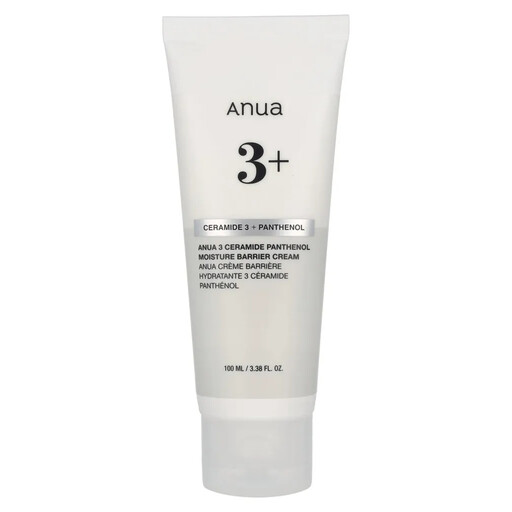
Why this product suits this profile: The 100ml size and combination of panthenol, three named ceramide types, hyaluronic acid and Centella asiatica make it suitable for a simple daily routine for dry or sensitive skin.
The product details name specific skincare ingredients rather than relying solely on a general repair claim. Its lightweight, non-sticky texture is described as suitable for daily use.
100ml contents; panthenol, ceramides NP, AP and EOP, plus hyaluronic acid in the stated formulation.
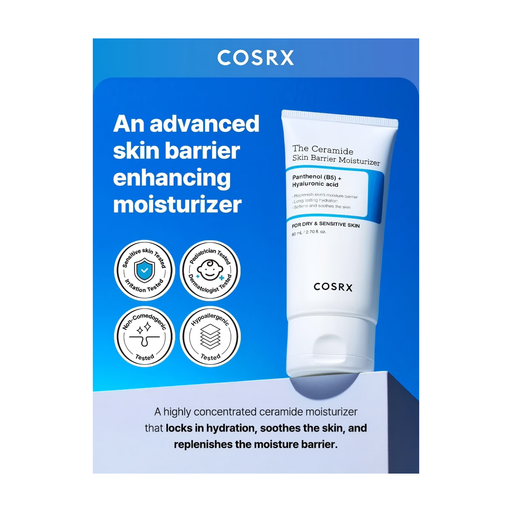
Why this product suits this profile: This formulation is aimed at people who specifically look for ceramides and skin-identical lipids in a face cream for dry skin.
Ceramides, cholesterol, squalane and panthenol are specifically listed in the product details. This allows you to choose based on the INCI list rather than marketing claims alone.
80ml contents; several ceramide types, cholesterol, squalane and hyaluronic acid derivatives according to the product details.
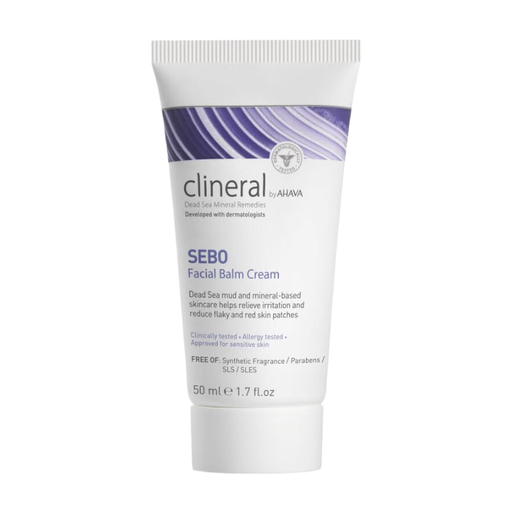
Why this product suits this profile: Its rich balm texture and product details referring to dry, flaky or reddened areas make it an interesting option for targeted skincare.
The rich texture is clearly described as a balm. At the same time, the INCI list indicates bergamot oil and fragrance ingredients that must be declared, making a patch test particularly advisable.
50ml contents; glycerin, shea butter, aloe, allantoin and vitamin E according to the stated formulation.
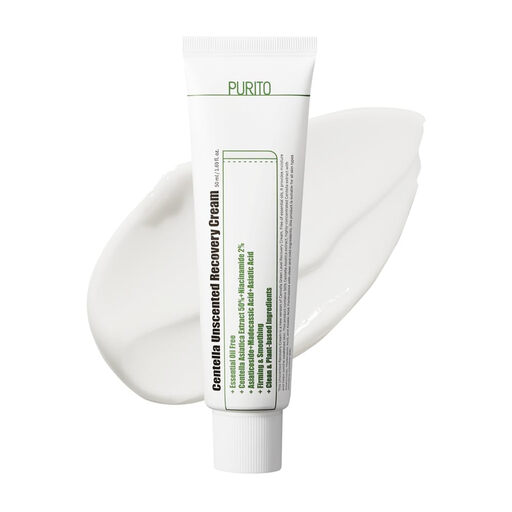
Why this product suits this profile: Its fragrance-free formulation and lightweight cream base suit people who prefer a soothing, unscented face cream.
The product description specifies an unscented formulation. The stated INCI list also includes ceramide NP, squalane and Centella asiatica.
Unscented product version; ceramide NP, squalane, niacinamide and Centella asiatica according to the manufacturer’s details.
We have put together a complete, regularly updated list of products that fully meet these strict selection criteria and the safety regulations applicable in the EU.
Apply the cream to slightly damp skin after gentle cleansing. When using an intensive moisturiser, a small amount is usually sufficient. If your skin is sensitive, start by applying it once a day and, if well tolerated, increase use to morning and evening. During the day, apply sun protection afterwards if needed.
Introduce new products one at a time. This makes it easier to identify which ingredient may have played a role if a reaction occurs. If redness, itching, stinging, weeping areas or a noticeable worsening persist, stop using the product and seek medical advice. A cream for skin irritation is not a substitute for medical treatment.
Commonly selected ingredients include glycerin, panthenol, ceramides, squalane, hyaluronic acid, allantoin and shea butter. Individual tolerance remains the key consideration. If you have a known sensitivity, check fragrances and essential oils particularly carefully.
Depending on the product, it may be intended for use once or twice a day. Start with a thin layer and observe how your skin feels. Applying too much may feel heavy on combination or oily skin.
The best-before date and PAO symbol on the packaging, such as “12M”, are the key references. Keep the cream tightly closed, in a dry place and away from direct sunlight. If its smell, colour or consistency changes, stop using it.