Housemates doing the food shop on a tight budget
You want to have snacks ready for several occasions. Check how many bars are in a pack and whether everyone in the house share will actually eat the variety you choose.


For a new student house share, stocking up on bars only makes sense if everyone will eat the varieties you choose and the ingredients suit those sharing them. Before buying a multipack, check how many bars it contains and the portion size. If people have different dietary requirements or allergies, it’s more practical to keep separate packs and clearly label who they’re for.
You want to have snacks ready for several occasions. Check how many bars are in a pack and whether everyone in the house share will actually eat the variety you choose.
If allergens or a particular diet matter to anyone, check the information for each variety before sharing it.
If not everyone likes the same variety, trying a smaller pack first can help you avoid ending up with a large stash of bars nobody wants.
Before you buy, check who in the house share wants to eat the bars and which ingredients are suitable for them. Then you can compare pack sizes, varieties and nutritional information to find an option that suits your plans.
| What matters | What to check when buying | Who it matters to |
|---|---|---|
| Quantity | Compare the number of bars and the weight of each one with how much your house share expects to eat. | If you want to have bars ready for several days when you move in, choose an amount you’ll actually get through. This is a priority for around 25 % of consumers. |
| Ingredients and allergens | Check the ingredients list and allergen information for each variety. Only rely on claims such as vegan or gluten-free for the variety specifically labelled as such. | If ingredients or allergens mean a shared stash isn’t suitable for everyone, I want to be able to keep the packs separate and assign them clearly. This requirement takes priority for around 25 % of consumers. |
| Varieties and sharing | Check the varieties, number of bars and whether they’re individually wrapped. If you don’t know the flavour, consider trying a smaller pack first. | If not everyone likes the same variety, you’ll want to avoid having bars left over. That’s why around 25 % of consumers focus on choosing the right mix and pack size. |
| Sugar and nutrition | Check the “of which sugars” figure per 100 g and, where available, per bar, as well as the ingredients list. | If you choose bars based on their ingredients, you’ll want to compare the information on different packs. Sugar and nutritional values are the most important buying criteria for around 25 % of consumers. |
A bar may still contain naturally occurring sugar. Lebensmittelklarheit also points out that sweeteners or sugar substitutes may be used.
Read the ingredients list and compare the “of which sugars” figure in the nutritional information, rather than judging by the front of the pack alone.
Information can vary from one variety to another. When you’re sharing a stash, it’s important to check which specific packs each housemate can eat.
Check the packaging for every variety. If people have different requirements, keep the packs separate and label them clearly.
If the housemates don’t like the taste, you may be left with bars nobody wants.
Ask which varieties people prefer or try a smaller pack first, before you commit to a shared stash.
ALDI Nord lists, among other products, an 8 × 25 g multipack of muesli bars under this own brand.
ALDI Nord stocks CORNY muesli bars in 120 g or 150 g packs.
EDEKA lists a chocolate muesli bar from this own brand in an 8 × 25 g pack.
RAWBITE describes its fruit and nut bars as organic, vegan and gluten-free, and says they contain no added sugar, among other claims.
These packs offer different quantities and varieties for stocking up on bars in your house share. Choose based on your housemates’ preferences and check the information on the relevant packaging if anyone has specific requirements.
 No image available
An option if your house share wants to stock up on this peanut butter variety. The product name lists 12 bars, each weighing 50 g. If anyone has specific dietary requirements or allergies, check the packaging.
 No image available
For a house share looking to buy a larger quantity of this variety. The product name lists 24 bars, each weighing 40 g. Check that the flavour suits everyone before you stock up.
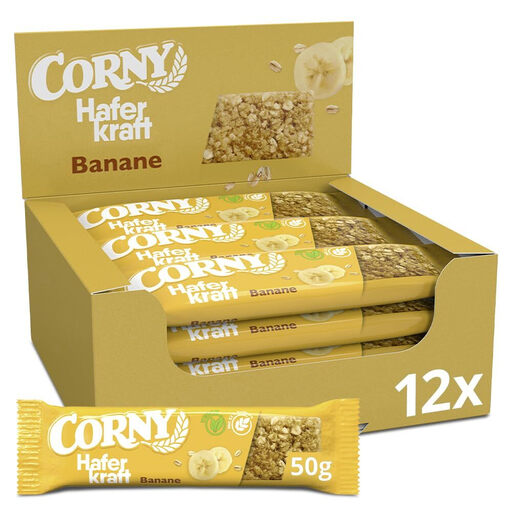 No image available
An option if your housemates fancy a banana and oat variety. The product name lists 12 bars, each weighing 50 g. Check the ingredients and allergen information on the specific pack.
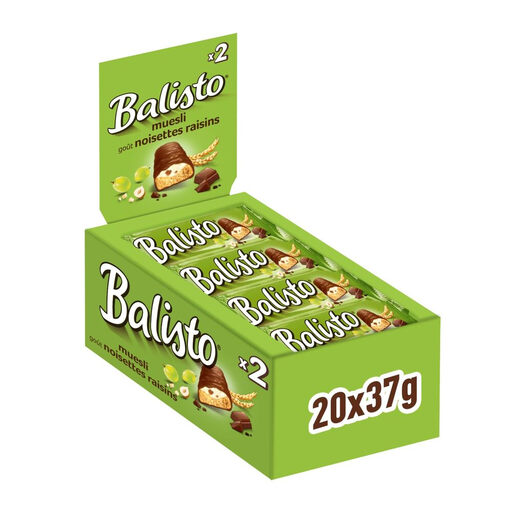 No image available
A good option for your house share if everyone likes this type of biscuit bar. The product name lists 20 bars, each weighing 37 g. Bear the quantity in mind when planning your shared stash.
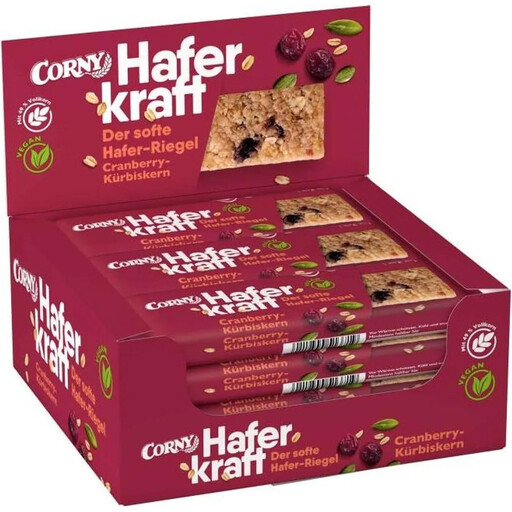 No image available
A cranberry and oat variety, with 12 bars weighing 50 g each. If you want to share them out individually, check the packaging before buying. If anyone has specific requirements, check the ingredients and allergen information too.
No, the claim doesn’t automatically mean a bar is sugar-free. It may contain naturally occurring sugars; according to Lebensmittelklarheit, sweeteners or sugar substitutes may also be used. So check the ingredients list and the “of which sugars” figure in the nutritional information.
Check the ingredients and allergen information for each variety before adding it to a shared stash. If people have different requirements, keep the packs separate and label them clearly. A “may contain traces” warning doesn’t guarantee that other products without such a warning are suitable for everyone.
Use online information to narrow down your options, then check the packaging of the bars you buy. EDEKA notes that the information shown online for one muesli bar may differ from what’s on the packaging.
A smaller pack makes sense if you haven’t tried a variety before or you’re not sure how quickly your housemates will get through it. Before buying a larger quantity, check the best-before date on the specific pack too.