
Lieferung heute & morgen

Qualitätsgarantie

Willkommens-Angebote freischalten: KOSTENLOSE Lieferung | Bis zu 80 % RABATT | Kostenlose 30-Tage-JoyPlus-Testphase
App herunterladen
Basketball shoes and trainers are often chosen by colour, brand or eye-catching cushioning. For a sensible buying decision, however, what really matters is the intended use, the fit and the sole material. Overlook these points and you could end up paying for features you don’t need in daily life, or wearing a shoe on a surface it wasn’t designed for.
Models like the Nike Dunk Low Retro or the adidas Samba OG are great for everyday wear and casual trainers. However, their construction isn’t automatically built for quick changes of direction, frequent jumps or long training sessions. For regular play, professional basketball shoes with a suitable outsole and a stable fit are usually the more practical choice.
Terms like “Grip” or “Performance” don’t tell you much on their own. What really counts is the sole material, the tread pattern and the surface you’ll be playing on. A rubber sole with a differentiated tread can perform very differently on a court floor compared to asphalt. For indoor-outdoor basketball, you should always check explicitly whether the shoe or ball is designed for both types of use.
Sizes can vary between brands and models. With basketball shoes, a secure fit is essential: your heel shouldn’t slip, while your toes still need enough room to move. For the models listed, the available sizes range from EU 35 to 49, depending on the product. The centimetre measurements in the size guide are therefore a useful extra reference.
For indoor courts, we recommend an abrasion-resistant rubber sole with a tread that supports quick stops and lateral movements. On outdoor courts, the wear from asphalt is greater. Look for hard-wearing rubber compounds here, and clean the sole regularly so that dust and dirt don’t unnecessarily affect the grip.
Synthetic materials, textiles, genuine leather and TPU all have different properties:
A high-top shaft doesn’t automatically mean more security. What’s more important is a suitable last shape, reliable lacing and a stable heel area.
When it comes to equipment, alongside basketball shoes and trainers, you also need to choose the right ball. A size 7 basketball has a circumference of around 75 cm and is typically used by teenagers from about 13 years old and in the men’s game. A size 5 basketball is roughly 70 cm and, according to product information, is suitable for younger players aged around 9 to 12. The specifications of your club or league are the definitive guide.
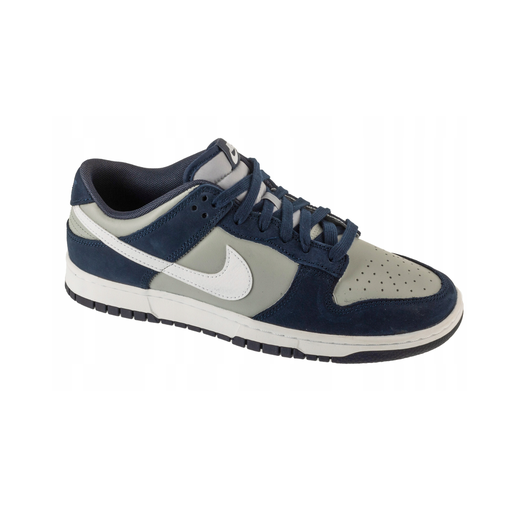
Why this product fits the profile: This low-top trainer combines a versatile look with a rubber sole and a padded insole, making it ideal for everyday wear and occasional sporting activities.
The product details clearly state the material, rubber sole and care instructions. This makes it easier to see that the shoe is primarily intended for everyday and versatile use.
Synthetic leather and textile upper, rubber sole, padded insole, and sizes up to EU 49 according to the product description.
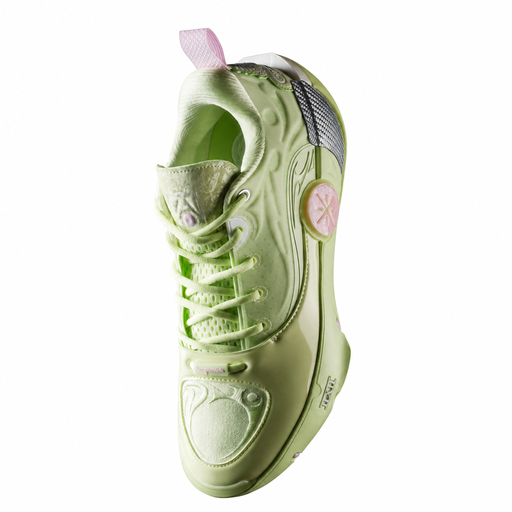
Why this product fits the profile: The construction is aimed at players who value defined technical components and a snug fit during training or competition.
The product description lists the midsole, heel carbon plate, GCU outsole and TPEE toe cap individually, rather than just making general performance claims.
Dual-layer SUPER-BOOM midsole, reinforced carbon plate at the heel and lightweight GCU outsole, according to the product data.
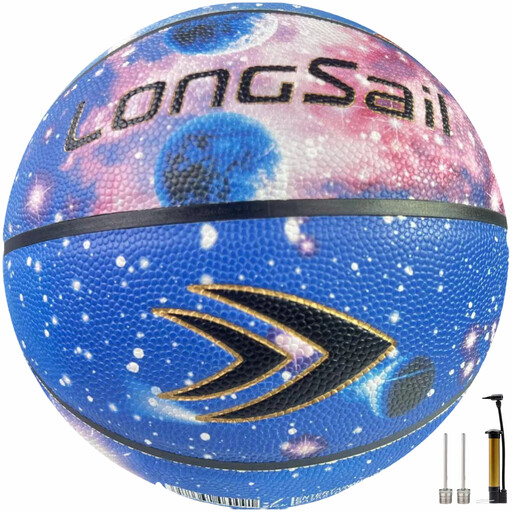
Why this product fits the profile: This indoor-outdoor basketball is designed for adults and older teenagers who regularly train or play on different surfaces.
The size 7 and the intended indoor-outdoor use are clearly stated. This makes it easier to match the ball more precisely with age, playing level and court type.
PU, microfiber or rubber surface depending on the variant, deep channels and a stated circumference of around 75 cm.
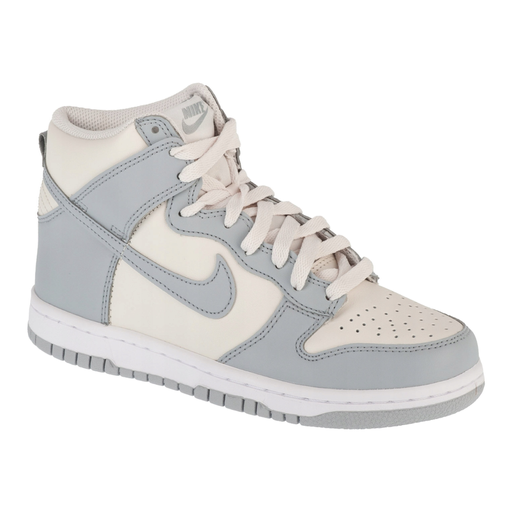
Why this product fits the profile: The GS model is available in smaller EU sizes and combines a higher silhouette with genuine leather for everyday wear and light sporting use.
The size guide covers EU 35 to 43 and lists leather, synthetic sole and care instructions. This makes it easier to choose based on foot length and intended use.
Upper made from genuine leather, synthetic outsole and size options for children and teenagers.
We’ve put together a complete, regularly updated list of products that fully meet these strict selection criteria and the safety regulations in force in the EU.
The lifespan of your shoes depends on how you use them, the surface you play on and how you care for them. Indoor court shoes shouldn’t be worn regularly on rough asphalt, as the sole tread can wear down more quickly. Remove dirt with a soft brush or a damp cloth. Leather and synthetic areas shouldn’t be treated with harsh cleaners. Dry your shoes at room temperature and never directly on a radiator.
A ball will keep its shape better if it’s stored in a dry place, away from direct sunlight and at the recommended air pressure. Before you play, check the condition of the seams, the valve and the surface.
They can be used for everyday wear and occasional light activities. For regular training, however, you should look for basketball shoes with suitable traction, a stable foot wrap and a sole tread designed for the court.
It’s best to measure both feet in the evening, wearing the sports socks you intend to use. Compare the length of your longer foot with the size guide for the specific model. If you have wider feet or wear thick socks, going up half a size can be a good idea, as long as your heel still feels secure.
It’s not possible to give a fixed time. Frequent training, outdoor use and high friction will all shorten their lifespan. Replace your pair when the tread, cushioning, seams or heel hold have noticeably deteriorated.