Making several portions to store
If you want to process leftover bread in batches and freeze portions for later, consider the practical amount you can process at a time and how easy the appliance is to use.


For regular batch freezing, a food processor with a work bowl, chopping blade and pulse function is a sensible starting point. A compact chopper may be enough for small, occasional batches. The stated bowl capacity doesn’t tell you how much bread you can process at a time, so check the instructions and maximum fill level for the specific model. Only use bread that’s in good condition, and freeze the breadcrumbs in labelled portions.
If you want to process leftover bread in batches and freeze portions for later, consider the practical amount you can process at a time and how easy the appliance is to use.
If you want to control how fine the breadcrumbs are, a chopping blade and short pulses matter more than slicing or grating attachments.
If you tend to make smaller quantities, weigh up compact storage against the possibility of needing extra batches and the effort of cleaning the bowl and blade.
A good fit if: you often prepare several portions and want to use the appliance for other chopping tasks too.
Keep in mind: the bowl capacity doesn’t tell you how much bread you can process at a time. The appliance and its accessories also need storage space.
A good fit if: you’re processing smaller quantities or have limited space.
Keep in mind: you may need several batches to make a larger supply.
A good fit if: you only need breadcrumbs occasionally and already own a suitable appliance.
Keep in mind: the type of appliance alone doesn’t mean it can process dry bread; check the instructions.
The stated bowl capacity and the permitted amount of bread per batch aren’t the same thing. For the specific model, check both the instructions and the blade attachment actually included.
| Priority | What to check before buying | Who it matters to |
|---|---|---|
| Amount per batch | Check the bowl size and the ingredient and filling limits listed in the manual for the exact model; divide your supply into portions you can use later. | When I’m making several portions to store, I want to know how often I’ll need to refill the bowl. Around 33% of consumers put the amount processed per batch first. |
| Crumb size | Check whether a chopping blade and pulse function are included and whether the instructions say you can use them for this purpose. A KitchenAid Deutschland recipe uses short pulses with fully dried bread; this doesn’t prove that other models are suitable. | When I want to control how fine my coating is, I want to be able to check the breadcrumbs as I go. Around 27% of consumers prioritise control over crumb size. |
| Cleaning and storage | Check the dimensions, which accessories need storing, and the cleaning instructions for the bowl and blade of the specific model. | When I’m making smaller quantities, I want an appliance that’s easy to put away and parts that are simple to clean. Around 20% of consumers focus mainly on cleaning and storage. |
| Other uses | Compare what’s included with the exact model against the tasks you do in the kitchen; first check whether an appliance you already own is suitable according to its instructions. | When I want to use the appliance for other regular tasks too, I’m looking beyond making a single batch to store. Around 20% of consumers prioritise versatility. |
A manufacturer’s stated bowl capacity doesn’t automatically tell you how much bread you can put in it.
Check the processing limits in the manual for the exact model and plan to work in several batches if necessary.
The different tools on a food processor are designed for different tasks. A slicing or grating attachment doesn’t mean it’s suitable for chopping bread.
Check which blade is actually included and what the instructions say you can use it for.
IMTEST’s food processor comparison, published on 22 March 2024, tested other food preparation tasks, not breadcrumb making.
Apply the test results only to the appliances and tasks that were clearly identified and tested at the time.
These examples show different approaches to bowl sizes and accessories. The details relate to the model ranges mentioned and aren’t a blanket recommendation for an entire brand.
Bosch offers compact MultiTalent appliances with bowls in various sizes.
The range spans the compact FlexPrep FP5E and the Expert Prep Pro FP1300BE, which comes with two bowl sizes.
According to KitchenAid, the Food Processor 5KFP1319EAC combines a larger work bowl with several functions.
The MultiPro Go is designed for compact food preparation, while the MultiPro Express offers additional processing functions.
Philips lists an S-blade and other food preparation functions for the Viva Collection HR7530/10.
This selection includes food processors with chopping functions and compact choppers. For each model, check the instructions to see whether it can process dry bread.
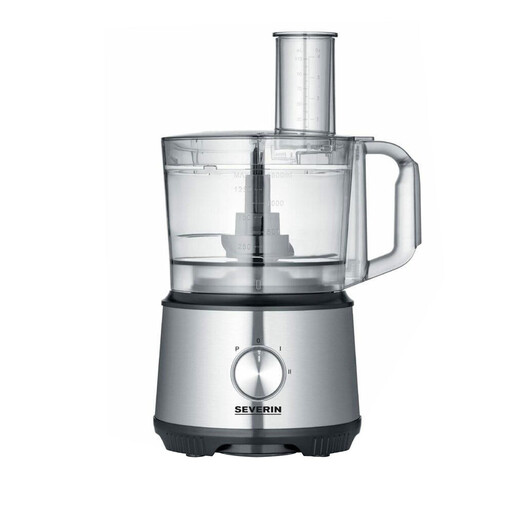 No image available
If you’re looking for a food processor with a chopping function to make a supply of breadcrumbs, check the instructions to see whether it can process dry bread and what the maximum fill level is.
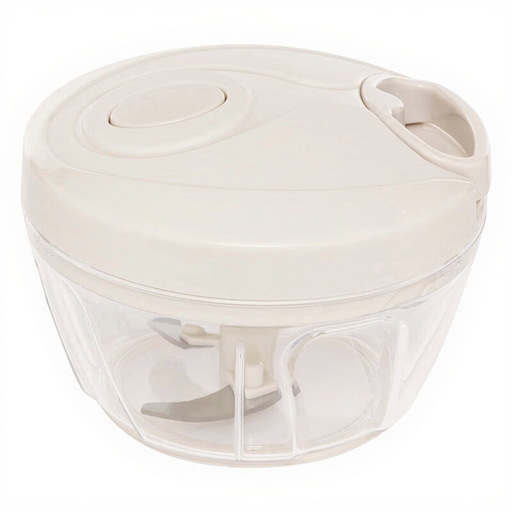 No image available
A compact mini food processor may suit smaller quantities; check the instructions before use to see whether it can process dry bread.
 No image available
The product name lists two glass bowls with capacities of 2 l and 0.6 l, and a power rating of 300 W. The bowls and lids aren’t heat-resistant or suitable for microwave use; check the instructions for information on processing bread.
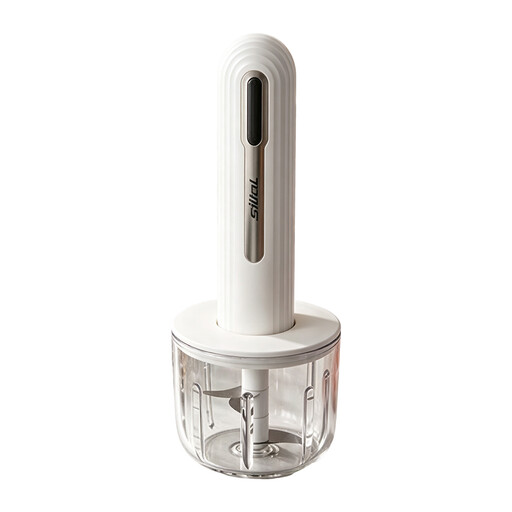 No image available
It’s designed for short processing intervals and small quantities. Check the instructions to see whether it can process dry bread.
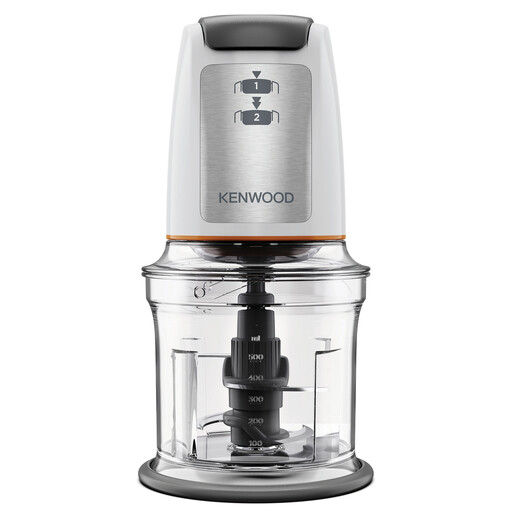 No image available
The product description lists breadcrumbs as a possible preparation. It specifies a 0.5-l bowl, 500 W power and two speed settings. Check the instructions for the maximum fill level and whether it can process dry bread.
No. The Verbraucherzentrale advises throwing away the whole loaf if you can see mould, rather than cutting off just the affected part.
Divide the breadcrumbs into portions you’ll need later and use suitable freezer bags or containers. The German Federal Centre for Nutrition recommends labelling frozen food with its contents, quantity and date; this doesn’t give a specific shelf-life for breadcrumbs.
A KitchenAid Deutschland recipe uses short pulses to process fully dried and cooled bread in a cordless chopper. Don’t assume that the same recipe steps or appliance suitability apply to another food processor; check its instructions.
No. The Verbraucherzentrale distinguishes between your statutory rights against the seller and an additional voluntary guarantee, each of which has its own terms.
According to information from the European Union, the manufacturer uses the CE marking to declare that the product meets the relevant EU requirements. It isn’t an independent quality mark for the breadcrumbs.