If you only make a few portions during your batch-cooking session, your existing freezer compartment may be enough, as long as it has the space and freezing capacity for the new batch. An additional appliance takes up floor space and uses electricity continuously. If you regularly freeze larger quantities to take out in individual portions later, an upright freezer with easily accessible drawers could be a good fit. A chest freezer may suit larger stocks, provided you have a suitable place for it. The Verbraucherzentrale (German consumer advice centre) describes chest freezers as more energy-efficient than upright freezers. Compare usable capacity, freezing capacity, annual energy consumption and appliance dimensions. Cooked sauce should be cooled quickly before freezing.
Which option is right for you?
Batch cooks who prepare food together
If you make several portions of sauce on set days, what matters is the available space and whether the freezer can handle the amount you add in one cooking session. The German Federal Institute for Risk Assessment recommends dividing larger quantities of food between several shallow dishes to cool them.
Households with lots of individual portions
If you want to take out portions at different times, a suitable interior layout and clear labelling can help. The German Federal Centre for Nutrition recommends noting the contents, quantity and date on the packaging.
Households short on space
If you only freeze sauce occasionally, first check whether your existing freezer compartment is enough. An additional appliance takes up space and uses electricity continuously. The Verbraucherzentrale advises choosing an appliance size to suit your needs.
What to consider when buying
First decide whether your existing compartment can fit the new batch. If you need an additional appliance, its capacity, accessibility and footprint should suit your batch-cooking plans.
Existing freezer compartment
A good fit if: you only add a few portions and have enough free space and freezing capacity.
The trade-off: You won’t need an additional appliance, but suitability depends on the space in your existing compartment and the amount you make in each cooking session.
Freestanding upright freezer
A good fit if: you regularly freeze several portions and want to take them out individually later.
The trade-off: Drawers can make it easier to reach individual portions, but the appliance takes up space and uses electricity continuously.
Chest freezer
A good fit if: you regularly store larger quantities, have enough floor space and are happy to keep the containers organised.
The trade-off: The Verbraucherzentrale describes chest freezers as more energy-efficient than upright freezers. Individual small portions are less immediately accessible from the top than they are in drawers.
| What matters |
What to check when buying |
Who it matters most to |
| Amount per cooking session |
Compare the available usable capacity and freezing capacity in kg/24 h with the planned batch. Cool the sauce quickly beforehand. |
If I’m adding a larger, cooled batch on a regular cooking day, I want to know whether it will all fit at once. Around 36% of consumers put batch size first. |
| Finding individual portions |
Check that the drawer dimensions and layout suit your containers; label each one with its contents, quantity and date. |
If you want to store portions separately and take them out later without searching for ages, organisation and accessibility matter most. For around 29% of consumers, this is their top buying priority. |
| Space and energy consumption |
Check the external dimensions and installation requirements. Compare the stated annual energy consumption in kWh for appliances with a similar usable capacity. |
If you need an additional appliance to fit in a small home without being unnecessarily large, its footprint and ongoing energy consumption matter. Around 21% of consumers give this priority. |
| Defrosting and warning alerts |
Check whether the specific model lists NoFrost and door or temperature alerts. |
If you share an appliance, it may be useful to reduce the need to defrost it and receive an alert if the door is left open. Around 14% of consumers prioritise these convenience and warning features. |
Common buying mistakes
-
Focusing only on litres and overlooking freezing capacity
Total storage space doesn’t tell you how much fresh sauce you can freeze in one cooking session. The Verbraucherzentrale also advises against choosing an appliance that’s larger than you need.
Work out the size of your new batch separately from the food already stored, and compare usable capacity with the freezing capacity of the specific model.
-
Cooling sauce too slowly because the appliance has a fast-freeze setting
An appliance feature doesn’t replace the need to cool freshly prepared food quickly. The German Federal Institute for Risk Assessment recommends dividing larger quantities between several shallow dishes and cooling them to below +7 °C within a few hours.
Divide the sauce into smaller, shallow portions and cool it quickly before freezing.
-
Judging a chest freezer on storage space alone
If you often take out individual portions, accessibility and organisation matter too. A chest freezer may suit larger stocks if you have enough floor space and its layout fits your storage habits.
Choose the design based on how often you take food out, the space available and how consistently you label things, rather than relying on a one-size-fits-all ranking.
Brands and models to help you choose
Siemens
Siemens lists 290 l of freezer capacity and a freezing capacity of 21.0 kg/24 h for its freestanding GS51NAWCV.
- According to Siemens, this model features NoFrost, along with alerts for an open door and a rise in temperature.
- Its external dimensions of 1610 × 700 × 780 mm need to fit your available space; these specifications apply to this model.
Bosch
Bosch lists 225 l of freezer capacity for the GSN33VWEP and gives its width as 600 mm.
- Bosch lists NoFrost, alerts and a freezing capacity of 19.0 kg/24 h for this model. Its flexible interior layout may be useful for storing different types of container.
- Check that the capacity and width meet your household’s needs and fit the space available.
Gorenje
Gorenje describes the freestanding FN4172CW as a 55 cm-wide model with NoFrost and FastFreeze.
- Its stated width may be useful when choosing an appliance for a limited space.
- Check the freezing capacity and annual energy consumption for this model; its listed features don’t prove it’s better than other appliances.
Liebherr
Liebherr lists a total capacity of 260 l and NoFrost for the freestanding FNa 6635.
- According to Liebherr, its external dimensions are 145,5 × 69,7 × 76 cm; the manufacturer lists a noise level of 33 dB.
- The total capacity doesn’t tell you how many of your sauce containers will fit in practice.
Beko
Beko lists a capacity of 404 l for the freestanding RFNE448E45W. This model may be worth considering if you also store a substantial amount of other food.
- Its stated capacity may suit households that store larger quantities of food.
- An appliance of this size may be more than you need for small quantities of sauce; feature specifications apply only to this particular model.
Joybuy products
The following Joybuy products include freestanding upright freezers for keeping portions organised, as well as a chest freezer for larger stocks.
 No image available
homeX FSN2041E-S upright freezer, 204 l
The six drawers can help you store several portions separately.
204 l usable capacity; six drawers; NoFrost and Super Freeze listed.
View at Joybuy
 No image available
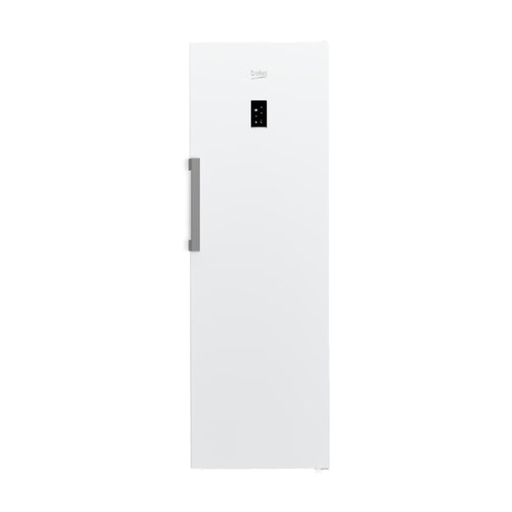
Beko B7RFNE316W upright freezer, 286 l
If you want to store portions separately, the stated interior layout and freezing capacity are worth considering.
286 l; freezing capacity of 18 kg/24 h; five drawers and two removable shelves according to the product description; energy class C.
View at Joybuy
 No image available
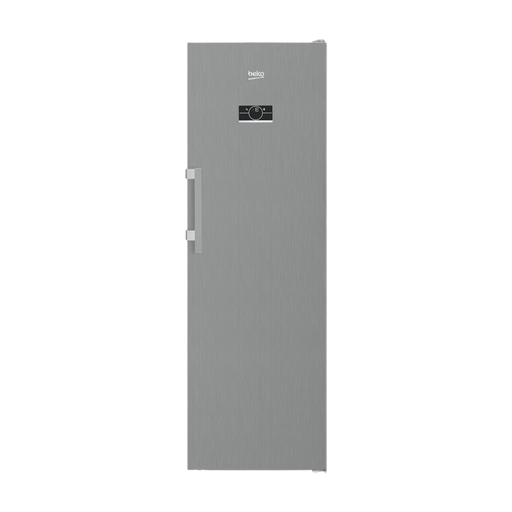
Beko B7RFNE315XP upright freezer, 286 l
For storing individual portions separately, the product description lists several drawers and additional compartments.
286 l usable capacity; freezing capacity of 17 kg/24 h; five drawers; No Frost and Fast Freeze listed; energy class D.
View at Joybuy
 No image available
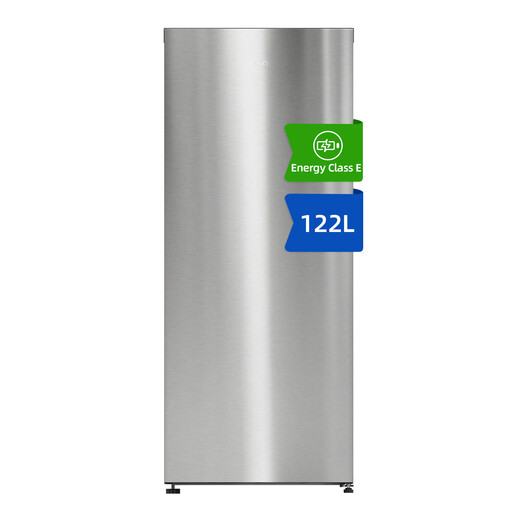
CHiQ JR122WSD upright freezer, 122 l
The stated capacity may suit households looking to store several portions separately.
122 l; 4-star compartment; No-Frost listed. According to the product description, the appliance can be switched to fridge, cooling and soft-freeze modes; energy class E.
View at Joybuy
 No image available
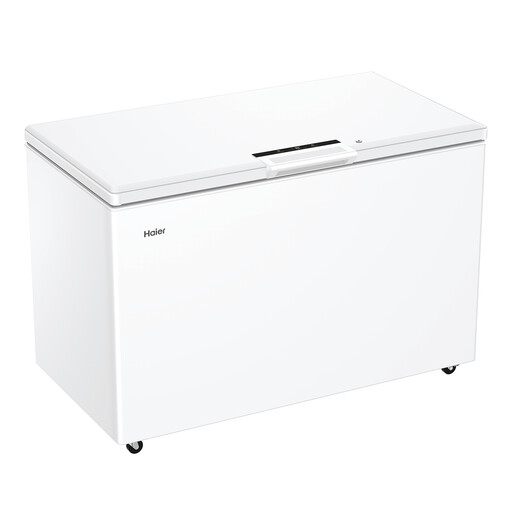
Haier HCE420D chest freezer, 418 l
For storing larger quantities, the stated capacity and freezing capacity are worth considering. Small individual portions are less immediately accessible from the top than they are in drawers.
418 l; freezing capacity of 21–24 kg/24 h; three baskets and Fast Freeze listed; energy class D.
View at Joybuy
Frequently asked questions
Can I freeze freshly cooked tomato sauce while it’s still hot in a large pot?
Cool the sauce quickly before freezing. The German Federal Institute for Risk Assessment recommends dividing larger quantities between several shallow dishes and cooling them to below +7 °C within a few hours. You can then transfer the sauce into suitable freezer containers in individual portions. Remember to check the freezing capacity of your particular appliance too.
What temperature and labelling work best for food stored together?
The Verbraucherzentrale recommends −18 °C as the optimal temperature for freezers. The German Federal Centre for Nutrition advises noting the contents, quantity and date on containers so you can identify individual portions later.
What should I consider when installing a new upright freezer?
Measure the space where you plan to put it and compare it with the exact model’s external dimensions. Set-up instructions vary by model: Beko recommends leaving its upright freezers to stand upright for at least four hours after installation. Always follow the instructions for the appliance you’ve bought.
How do I compare energy consumption, and what happens to my old appliance?
Compare the annual energy consumption in kWh on the EU energy label for appliances with a similar usable capacity. According to the Verbraucherzentrale, actual energy consumption also depends on how and where you use the appliance. The German Environment Agency says that when you buy a corresponding new appliance, you can return a large old electrical appliance free of charge, including when you buy online and have it delivered. Check the specific delivery and collection arrangements before you buy.


