
Lieferung heute & morgen

Qualitätsgarantie
App herunterladen
Kategorien
A bath mat serves two primary functions in the bathroom: absorbing water after a shower or bath and enhancing safety by reducing the risk of slipping on wet tiles. The selection of a suitable model depends on specific, measurable criteria such as material properties, absorbency, and care requirements. This guide analyses the technical parameters relevant for making an informed decision.
The functionality of a bath rug is largely determined by its material, construction, and size. An analysis of these factors allows for a selection tailored to your needs.
The choice of material influences the texture, water absorption, and drying speed. Common materials exhibit different technical profiles.
Beyond the material, specific functional features are crucial for practical use.
The dimensions of the mat should fit the available space. Standard sizes like 50x80 cm or 50x70 cm are suitable for most areas in front of showers, bathtubs, or sinks. It is advisable to measure the intended area before purchasing to ensure a correct fit.
The following products have been selected based on their technical specifications and material properties.
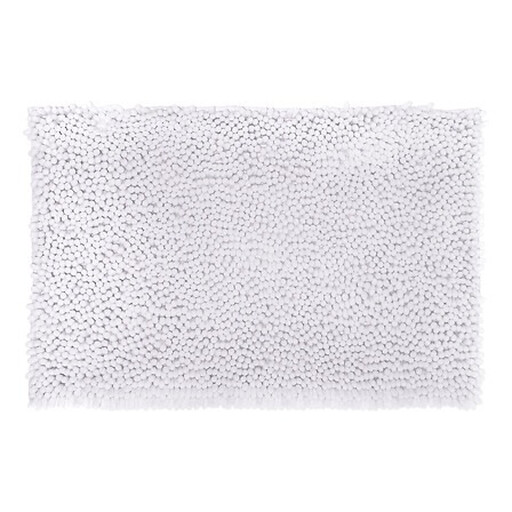
Why we recommend this product This model combines very high absorbency with a soft surface texture. The fabric weight of 1800 GSM, according to the manufacturer JJA Group, indicates an exceptionally dense polyester chenille structure that can absorb a great deal of moisture.
Pros
Who it's for Users seeking a maximally absorbent and comfortable textile mat for the area directly in front of the shower or bathtub.
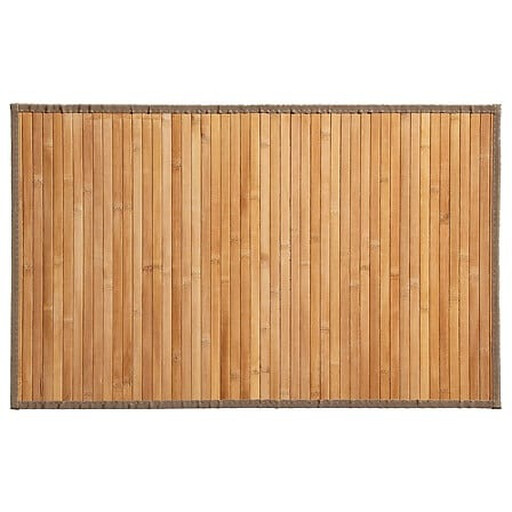
Why we recommend this product The construction of natural bamboo slats is designed for quick drying. Water can drain through the gaps, and the raised design promotes air circulation, which counteracts the accumulation of moisture under the mat.
Pros
Who it's for Individuals who prefer a low-maintenance and very quick-drying alternative to a textile bathroom rug and appreciate a firm standing surface.
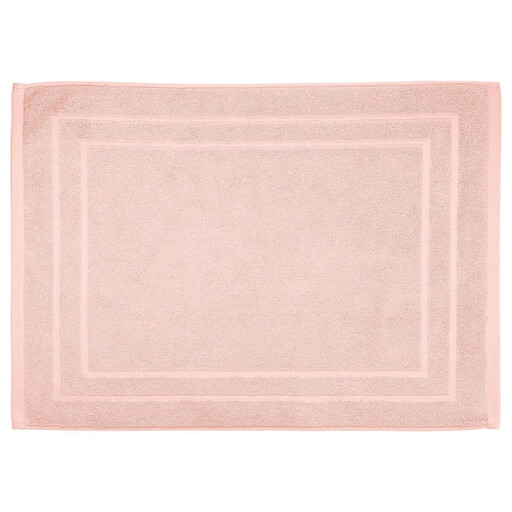
Why we recommend this product This mat offers the classic properties of cotton in a solid quality. With a fabric weight of 700 GSM, it has good absorbency. The standard size of 50x70 cm makes it versatile.
Pros
Who it's for Users looking for the traditional feel and proven functionality of a cotton mat in a common size for their bathroom.
If these models don't include the right option for your bathroom, you can find a wider selection of designs, materials, and sizes in our Bathroom Floor Mat category.
1. How often should a bath mat be washed? For hygiene reasons, it is recommended to wash a textile bath mat every one to two weeks, depending on the frequency of use and bathroom ventilation. Always follow the manufacturer's specific care instructions on the label to ensure the longevity of the material and any anti-slip coating.
2. What is the best material for a bath rug? The choice of material depends on individual priorities.
3. How can a bath mat be made non-slip? The safest method is to choose a model with a factory-integrated non-slip coating on the underside. Ensure the floor under the mat is completely dry to maximise grip. For mats without such a coating, a separate non-slip underlay can be used.