
Lieferung heute & morgen

Qualitätsgarantie

Willkommens-Angebote freischalten: KOSTENLOSE Lieferung | Bis zu 80 % RABATT | Kostenlose 30-Tage-JoyPlus-Testphase
App herunterladen
A high-quality bath mat is more than just an accessory. It ensures safety on wet tiles, provides comfort after a shower or bath, and contributes to hygiene in the bathroom. However, with the vast array of materials, sizes, and designs available, making the right choice can be a challenge.
This guide is designed to help you understand the features of different bath mats and make an informed decision. We will outline objective criteria and present a selection of models that meet various requirements for both functionality and style.
To find the perfect mat for your needs, three key aspects should be considered: material, safety features, and maintenance.
The material largely determines the feel, absorbency, and maintenance requirements of your bath mat.
A wet bathroom floor poses a significant slip hazard. A non-slip bath mat is therefore a crucial safety feature. Many textile mats have a rubberised or latex-coated backing that provides a firm grip on smooth tiles. For rigid mats made of bamboo or diatomaceous earth, separate anti-slip pads often ensure the necessary stability.
A highly absorbent bath mat not only prevents puddles from forming but also contributes to hygiene by reducing the conditions for mould growth. Materials like diatomaceous earth are especially beneficial here, as they don't just absorb moisture but actively evaporate it.
Measure the available space in front of your shower, bathtub, or sink to choose the right size. A small shower rug fits well in compact bathrooms, while larger mats cover more area. Also, pay close attention to the manufacturer's care instructions. Most textile mats are machine-washable, which makes cleaning significantly easier. Mats made of bamboo or diatomaceous earth are typically just wiped down or, if necessary, lightly sanded with fine sandpaper to maintain their absorbency.
Here is a selection of bath mats that stand out for their different materials and features.
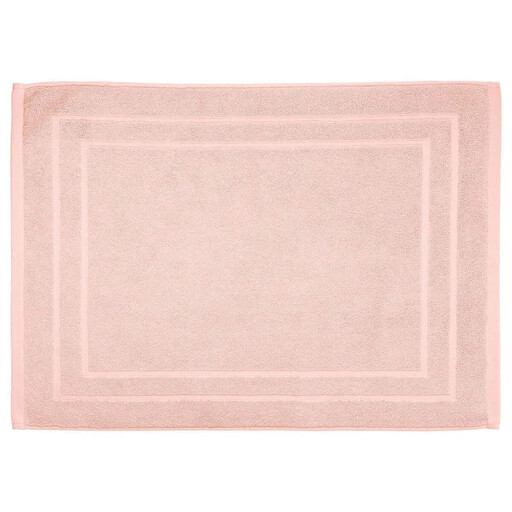
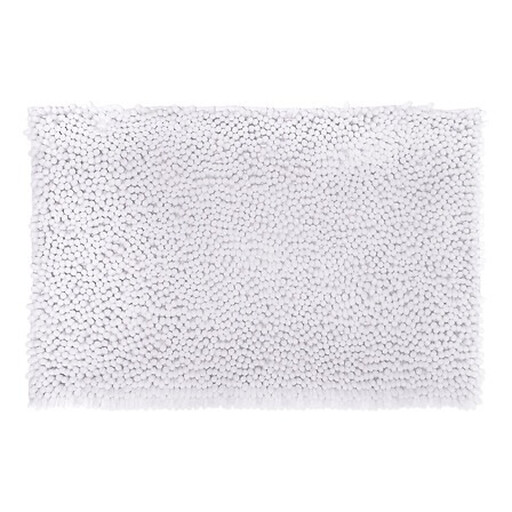
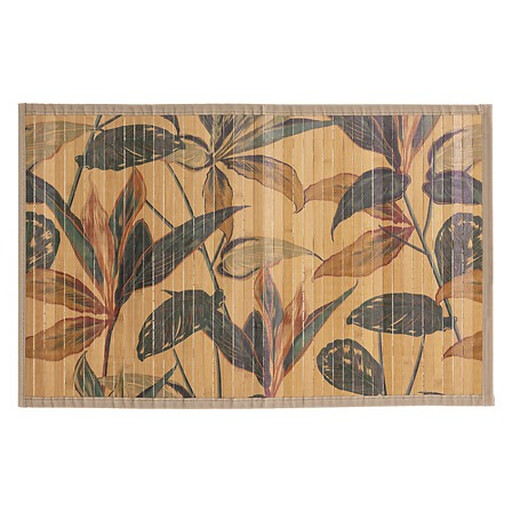
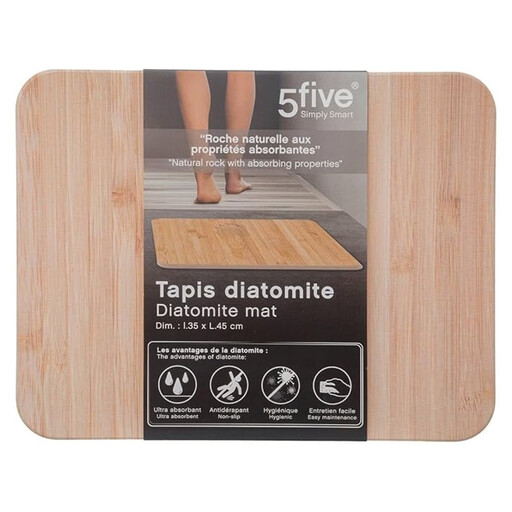
Haven't found the perfect mat for your bathroom yet? Many other designs, sizes, and materials are available to suit different needs. Explore a wider selection in our Bathroom Pedestal Mats category to compare more models.
The washing frequency depends on usage and material. For textile bath mats like cotton or chenille, a weekly wash is recommended to ensure hygiene and prevent the build-up of bacteria. For less frequent use or in single-person households, a two-week interval may be sufficient. Diatomaceous earth mats do not need to be washed; they are cleaned with a damp cloth as needed.
Absorbency varies greatly. Chenille and high-quality cotton with a high grammage (g/m?) are very absorbent and can hold large amounts of water. Diatomaceous earth works differently: it absorbs water extremely quickly and allows it to evaporate instantly through its porous structure, rather than storing it. For sheer speed of absorption, diatomaceous earth is often superior.
To ensure safety, choose a non-slip bath mat. Look for a backing with a rubber or latex coating that grips well on smooth, dry floors. For rigid mats like bamboo or diatomaceous earth, anti-slip pads should be attached to the underside. Always make sure the floor beneath the mat is dry before placing it to achieve the best possible grip.