
Lieferung heute & morgen

Qualitätsgarantie
App herunterladen
Kategorien
Choosing a bath mat is a decision that should be based on functional criteria. Its primary job is to absorb moisture and ensure secure footing after a shower or bath. Secondarily, it serves as a design element in the bathroom. The key differentiating features are its material, absorbency, slip resistance, and care properties. This guide analyses the technical specifications of various models to help you make an informed choice.
The right choice of bath rug depends on your individual requirements for material and functionality. The following parameters are relevant for an objective evaluation.
The material is a key determinant of a shower mat's texture, absorbency, and durability.
Beyond the material, specific functional features are crucial.
The following products have been selected based on their technical specifications and material properties.
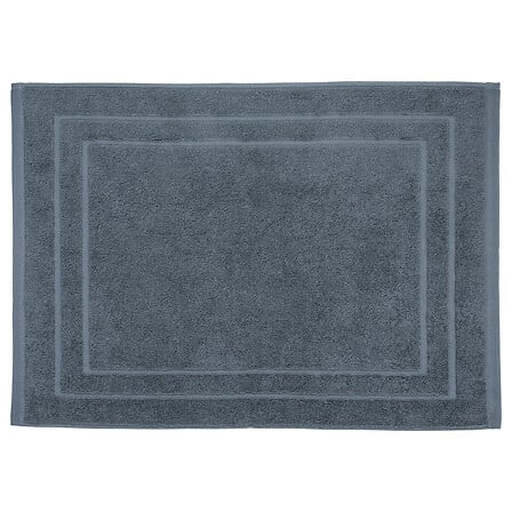
Why We're Featuring This Product: This model represents a classic cotton bath mat that focuses on core functionality. The material and construction are designed for durability and high moisture absorption.
Pros:
grey bath mat) and clean lines allow it to integrate into many modern bathroom concepts.Who It's For: Users who prefer a functional, absorbent, and low-maintenance standard solution made from a natural material for daily use. The 50x70 cm dimensions are well-suited for small to medium-sized bathrooms.
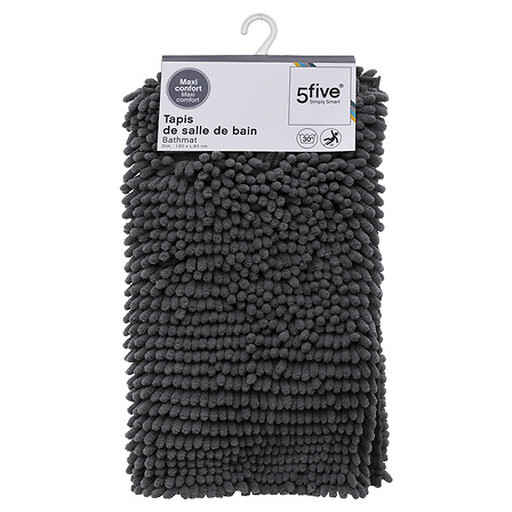
Why We're Featuring This Product: This mat stands out for its material specification. The polyester chenille, with a grammage of 1800 g/m², indicates a very high density and thus above-average absorption capacity.
Pros:
Who It's For: Households with high water usage, such as families, or for individuals who prioritise maximum comfort and very high absorbency.
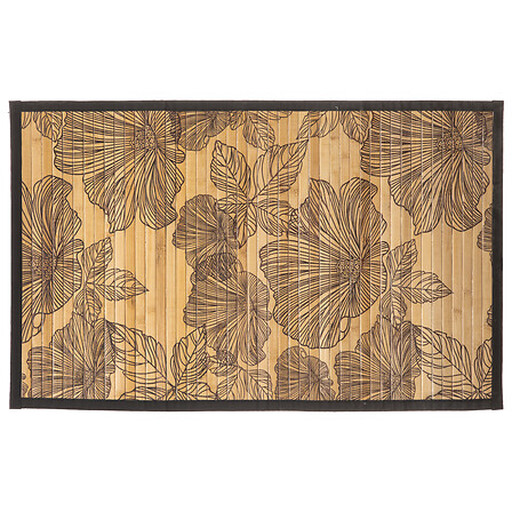
Why We're Featuring This Product: This product offers a material-based alternative to textile mats. Bamboo as a material has specific properties that are advantageous for certain use cases and design preferences.
Pros:
Who It's For: Individuals looking for a low-maintenance and durable alternative to fabric mats who prefer a nature-inspired or minimalist bathroom design.
While textile and bamboo mats cover a wide range of functional requirements, other natural fibres can also be considered for certain areas of the bathroom. For zones with lower moisture exposure that still require a natural and textured floor covering, a rattan rug can be a stylish addition.
Discover our selection of rattan rugs.
1. How often should a bath mat be washed? The washing frequency depends on how often it's used and the ventilation in your bathroom. As a general guideline, it is recommended to wash a textile bath mat weekly or every two weeks to minimise the build-up of bacteria and moisture. Always follow the manufacturer's care instructions.
2. What makes a bath mat non-slip? For textile mats, slip resistance is achieved through a coating on the underside, usually made of rubber, latex, or a similar polymer. These materials create high friction on smooth surfaces like tiles. With rigid mats made of wood or bamboo, small rubber feet on the underside often provide the necessary grip.
3. Which material is the most absorbent for a bath rug? Absorbency is primarily determined by the fibre structure and density of the material. Cotton is naturally very absorbent. Synthetic microfibres and chenille fabrics can also absorb a very high amount of water due to their extremely fine and dense fibre structure, which is often reflected in a high grammage (g/m²).