Households with lots of bath towels
If you regularly wash several bath towels, check the washing and drying capacities separately. For a continuous wash-and-dry cycle, the appliance and programme’s lower drying limit is the one that counts.


A washer-dryer is a good fit if there’s only room for one appliance in your utility room and your usual bath towel load is within the drying limit of the programme you choose. If you have a suitable place to air-dry your towels or space for two appliances, it’s worth comparing the options. The Verbraucherzentrale notes that washer-dryers typically use more electricity and water than separate appliances, and often can’t dry a full wash load in one go.
If you regularly wash several bath towels, check the washing and drying capacities separately. For a continuous wash-and-dry cycle, the appliance and programme’s lower drying limit is the one that counts.
If there’s only room for one appliance in your utility room and no suitable space to air-dry your towels, a washer-dryer can save you from needing space for a second appliance. Make sure you check the drying capacity and the energy and water consumption for the combined cycle.
If you can hang your bath towels to dry or fit two appliances, compare air-drying and separate appliances with the convenience of a washer-dryer. If you dry your towels indoors, you’ll also need to consider how to manage the moisture.
A good fit if: you only have space for one appliance and your usual bath towel load is within the drying limit of the programme you choose.
The trade-off: washing and drying capacities differ. According to the Verbraucherzentrale, washer-dryers typically use more electricity and water than separate appliances.
A good fit if: you have a suitable space to dry your towels and don’t need to use a tumble dryer.
The trade-off: if you dry your towels in the utility room, you’ll need to manage the moisture. Germany’s Federal Environment Agency advises ventilating cool cellar rooms at night or during the cooler morning hours in summer.
A good fit if: you have the space and connections for both appliances, and regularly tumble-dry larger loads of bath towels.
The trade-off: the appliances take up more space and you’ll need to transfer your laundry between them. According to the Verbraucherzentrale, this combination typically uses less electricity and water than a washer-dryer.
| What matters | What to check before buying | Who it matters most to |
|---|---|---|
| Drying a bath towel load | Weigh your usual dry load and compare it with the drying capacity and the limit for the programme you intend to use. | If I want to dry bath towels in one go without splitting the load, the drying limit is crucial. Around 36% of consumers prioritise bath towel capacity. |
| Appliance and drying space | Check the available space, appliance depth, door clearance and room for somewhere to dry your towels at the intended installation location. | If there’s limited room for appliances or somewhere to dry towels in the utility room, you need an option that suits the space available. Around 29% of consumers put available space first. |
| Electricity and water consumption | On the EU energy label, compare the figures for the combined wash-and-dry cycle separately from those for washing alone. | If I often use a tumble dryer, I want to compare the consumption for a complete cycle, not just the wash cycle. Around 21% of consumers prioritise running costs. |
| Care and fluff | Check care labels, suitable wash and drying programmes, and the cleaning instructions for the specific model. | If I want to care for bath towels according to their care labels and remove fluff properly, the programmes and cleaning instructions matter. Around 14% of consumers prioritise bath towel care. |
For the models listed, the stated drying capacity is lower than the washing capacity. That means you may not be able to dry a full wash load in one go without splitting it.
Compare your usual dry bath towel load with the drying capacity and the limit for the programme you’ll actually use.
Depending on the size of the load, you may need an extra drying cycle or a separate place to air-dry your towels.
The EU energy label lists figures for washing and for the complete wash-and-dry cycle separately. So, if you regularly use a tumble dryer, the combined cycle matters too.
Compare the relevant label figures for similar models and weigh them against the option of air-drying or using separate appliances.
When you hang up wet bath towels, they release moisture into the room. In cool cellars, ventilating with warm summer air can encourage condensation.
Before buying, work out where your bath towels will dry and how you’ll remove the moisture they release.
According to LG Germany, the W4WR7096YB offers a washing capacity of 9 kg and a drying capacity of 6 kg.
According to AEG Germany, the L9WEF80690 is a heat pump washer-dryer with a washing capacity of 9 kg and a drying capacity of 6 kg.
According to Bosch Home Appliances Germany, the Serie 8 WNC254A40 washer-dryer has a washing capacity of 10.5 kg and a drying capacity of 6 kg.
According to Siemens Home Appliances Germany, the iQ700 WN54C2A40 is designed to wash 10.5 kg or wash and dry 6 kg in one cycle.
According to Miele Germany, the WTR860WPM is a washer-dryer with a washing capacity of 8 kg, a drying capacity of 5 kg and TwinDos.
This selection includes washer-dryers and a WashTower with a separate washing machine and tumble dryer. Compare the stated washing and drying limits with your bath towel load and the space you have available.
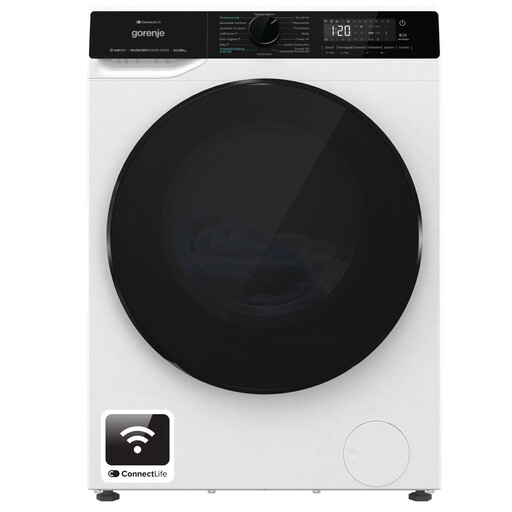 No image available
This model is worth considering if you want to wash and dry your laundry in a single appliance.
The product name lists 10.5 kg, 16 programmes and 1,400 RPM; it doesn’t specify whether the capacity refers to washing or drying.
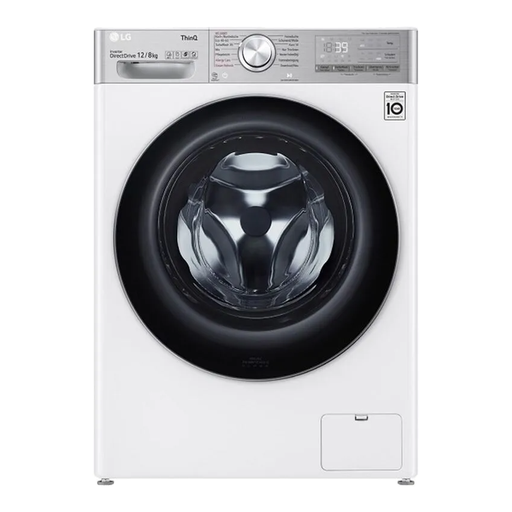 No image available
This model is an option if you’re looking for a washer-dryer with the 12 kg capacity listed in the product name.
The product name lists AI DD and the colour white; it doesn’t specify whether the 12 kg capacity refers to washing or drying.
 No image available
The WashTower is an option if you want to stack a separate washing machine and tumble dryer.
The product name lists a 12 kg washing machine and a 10 kg heat pump tumble dryer, so the drying capacity is lower than the washing capacity.
 No image available
This model is worth considering if you’re looking for a washer-dryer with heat pump drying.
The product name lists 12 kg for washing, 10 kg for drying and a Dual Inverter heat pump. The drying capacity is lower than the washing capacity.
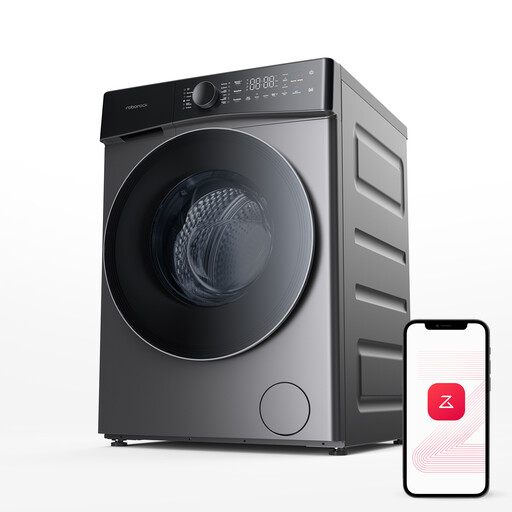 No image available
This washer-dryer is an option if you’re looking for a combined washing and drying solution.
The product name lists a washing capacity of 10 kg, a drying capacity of 6 kg and Zeo-Cycle drying technology. The drying limit is lower than the washing capacity.
Only if the load is within the drying limit of the programme you choose. Bosch lists a washing capacity of 10.5 kg for the WNC254A40 washer-dryer, but a capacity of 6 kg for washing and drying in one cycle. Weigh your usual dry bath towel load and compare it with the relevant limit.
The right wash temperature depends on the care label and the circumstances. Germany’s Federal Environment Agency recommends washing towels and textiles that have been in contact with animals at 40 or 60 °C for hygiene reasons; this doesn’t mean they always need to be tumble-dried.
Check the dimensions of the specific appliance against the space available, and follow the installation instructions for connecting it. If you dry bath towels in the room, you’ll need to manage the moisture. Germany’s Federal Environment Agency recommends ventilating cool cellar rooms at night or during the cooler morning hours in summer.
The EU energy label lists figures for the wash cycle and the complete wash-and-dry cycle separately. If you often use a tumble dryer, compare the combined figure for similar models rather than looking only at the washing figures.
Follow the cleaning instructions for your specific appliance. In general support guidance that isn’t model-specific, LG notes that bath towels can produce a lot of fluff and recommends carefully removing it from the door seal. Don’t remove the seal to do this.