Which option is right for you?

Households with limited drying space

If you can still hang your bath towels up to dry but space is tight, choose a machine with a suitable load capacity and check its stated spin-drying performance. If you dry washing indoors, you’ll also need to consider the extra moisture in the room. The German Environment Agency recommends airing the room regularly when drying damp washing indoors.

Households without room for a clothes airer

If your towels need to dry without being hung up, a washer-dryer could fit into the space available for one appliance. The key things to check are its actual drying capacity and the consumption figures for a complete wash-and-dry cycle.

Households with lots of bath towels

If you wash several bulky towels in one load, the washing capacity, drying capacity and available drying space all need to work together. Washer-dryers often have a lower drying capacity than washing capacity.

What should you look for when buying?

Washing machine and air-drying

A good fit if: You can hang your bath towels with enough space between them and can manage room humidity by airing the room.

The trade-off: Hanging towels takes space and time. A high maximum spin speed alone doesn’t tell you how much moisture will be left in them.

Washer-dryer

A good fit if: There’s no room for a clothes airer or a separate tumble dryer.

The trade-off: Drying capacity may be lower than washing capacity. Compare the figures for a complete wash-and-dry cycle too.

Washing machine and separate tumble dryer

A good fit if: You have a suitable place for two appliances but very little room to hang washing.

The trade-off: Both appliances need space, so you’ll need to plan for their dimensions and operating figures separately.

What matters to you What to check Who is it important to?
Air-drying in a small space Compare the spin-drying performance class and check whether your hanging space and ventilation suit the number of towels you plan to dry. If I hang my towels up, I want to make good use of limited drying space and keep an eye on moisture levels in my home. Around 36% of consumers prioritise air-drying when space is limited.
Drying without a clothes airer Check washing and drying capacities separately. When comparing consumption, look at the complete wash-and-dry cycle. If there’s no room for a clothes airer, I need a solution that dries bath towels in the space available for an appliance. Around 29% of consumers prioritise washing and drying without somewhere to hang their washing.
Several bath towels per load Compare your usual laundry load with the stated capacity and programme limits. For washer-dryers, bear in mind that drying capacity is lower. If I wash several bulky towels together, I want to plan the load size and any extra cycles I might need. Around 21% of consumers prioritise a suitable capacity for larger loads of bath towels.
Consumption, noise and installation Compare label figures on the same cycle basis, check the spin noise level and measure the space where the appliance will go. If the appliance will be near living areas or the available space is limited, I want to compare consumption, noise and dimensions in advance. Around 14% of consumers prioritise these operating and installation considerations.

Common misconceptions

  • A 9 kg washing capacity doesn’t automatically mean you can wash and dry 9 kg in one go

    AEG lists a washing capacity of 9 kg and a drying capacity of 6 kg for the L9WEF80690. A full wash load could therefore be larger than the load specified for drying.

    If you want your towels to dry without stopping part-way through, plan your load around the drying capacity.

    A larger wash load may mean running an extra drying cycle or splitting the load.

  • The highest spin speed doesn’t guarantee a short drying time

    The maximum spin speed doesn’t tell you how much moisture will remain in every towel load. Bosch states that the maximum speed of the WGG2441H0 may be reduced automatically if the load is unbalanced.

    Compare the stated spin-drying performance as well, and make sure you have suitable space to hang your towels and air the room.

  • Looking only at washing consumption isn’t enough for a washer-dryer

    The EU label gives separate figures for washing and for a complete wash-and-dry cycle. The consumer advice centre also highlights that combined appliances may use more energy.

    If you plan to use the drying function, compare the complete cycle and the specific drying method.

Key brands to consider

Bosch

The WGG2441H0 front-loader is an example of a washing machine with a stated capacity of 9 kg and a maximum spin speed of 1400 U/min.

  • Bosch lists AquaStop and dimensions of 848 × 598 × 590 mm for this model.
  • Bosch states that the maximum spin speed may be reduced automatically if the load is unbalanced. On its own, it doesn’t indicate a specific drying time.

AEG

The L9WEF80690 washer-dryer is a combined-appliance option if you have little space to hang washing.

  • AEG lists a washing capacity of 9 kg, a drying capacity of 6 kg and a heat pump for this model.
  • The lower drying capacity limits how much you can dry in one go without splitting the load. Compare the consumption figures for the complete cycle.

Beko

According to Beko, the BM3WFU4841W front-loader has a stated capacity of 8 kg and a stated depth of 54.6 cm.

  • Beko lists a maximum spin speed of 1400 U/min for this model.
  • The manufacturer states a spin noise level of 76 dB(A). Check this figure and the dimensions against your available space and how close it is to your living areas.

LG

The HPWD096C washer-dryer is another combined-appliance option with heat pump technology.

  • LG lists a washing capacity of 9 kg and a drying capacity of 6 kg for this model.
  • Manufacturer claims about specific programmes apply under the conditions for those programmes. Check what size load the programme you choose can dry.

Miele

The WWE380 WPS PWash&Steam&8kg front-loader is a washing machine option if you plan to dry your towels separately or on an airer afterwards.

  • Miele lists a capacity of 8 kg and a maximum spin speed of 1400 U/min for this model.
  • This model doesn’t dry clothes itself. Its spin figures don’t replace the need to plan for the drying space you have available.

Washing machines for air-drying

These washing machines are suited to households that can hang their bath towels up to dry afterwards. Compare the stated capacity with your usual loads. A maximum spin speed doesn’t guarantee a particular level of residual moisture.
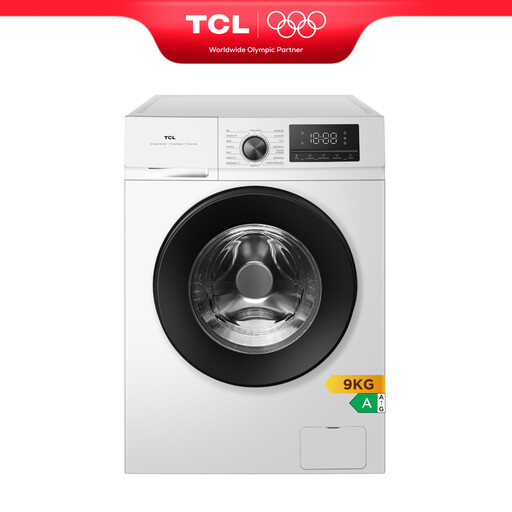
TCL washing machine FF0109WA2AMDE, 9 kg

TCL washing machine FF0109WA2AMDE, 9 kg

A washing machine for households that wash several bath towels and can hang them up to dry afterwards.

9 kg stated capacity; energy efficiency class A; BLDC motor.

View at Joybuy
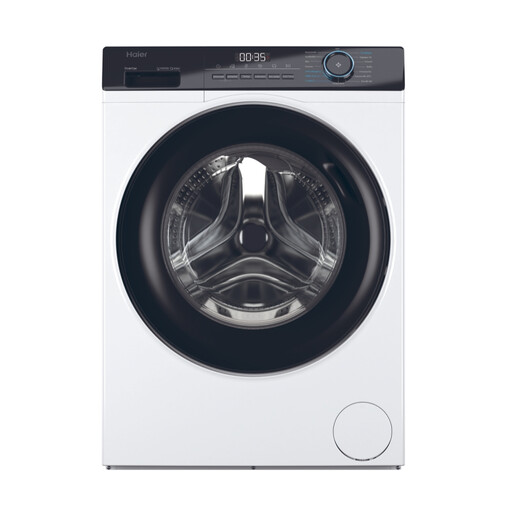
Haier I-PRO SERIES 3 front-loader, 9 kg

Haier I-PRO SERIES 3 front-loader, 9 kg

The stated washing capacity is worth considering if you wash several bath towels in one load. You’ll still need to plan where to hang them afterwards.

9 kg washing capacity; energy efficiency class A; maximum 1400 U/min.

View at Joybuy
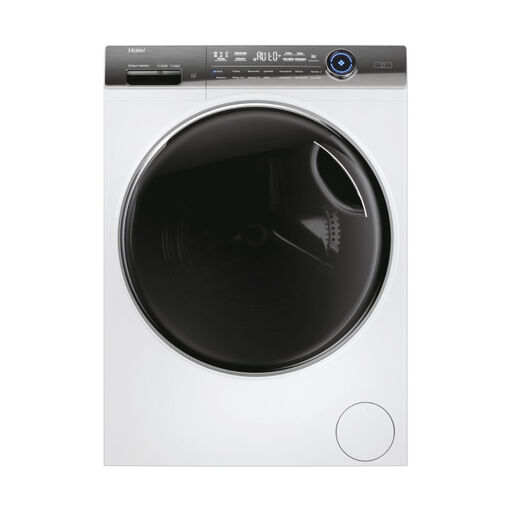
Haier I-PRO Series 7 HW90-B14979YU1, 9 kg

Haier I-PRO Series 7 HW90-B14979YU1, 9 kg

A front-loading washing machine for bath towel loads that can be air-dried after washing.

9 kg stated capacity; maximum 1400 U/min; energy efficiency class A; noise class A.

View at Joybuy
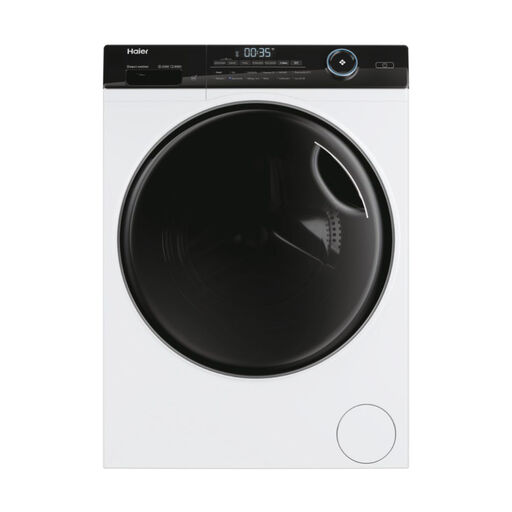
Haier I-PRO Series 5 HW90-B14959U1, 9 kg

Haier I-PRO Series 5 HW90-B14959U1, 9 kg

The 9 kg capacity is worth considering if your household washes several bath towels together and can hang them up to dry afterwards.

9 kg stated capacity; maximum 1400 U/min; energy efficiency class A.

View at Joybuy
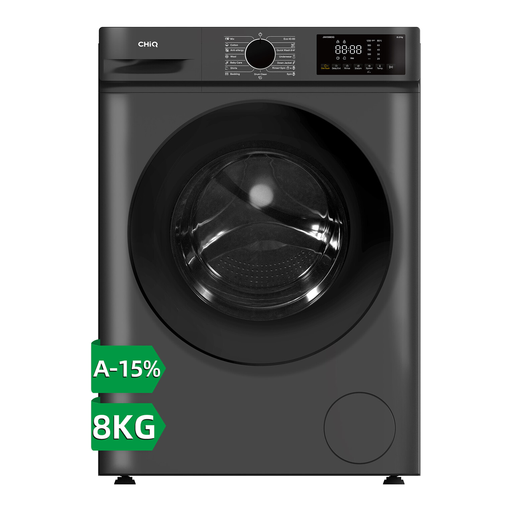
CHiQ front-loader JW85883G, 8 kg

CHiQ front-loader JW85883G, 8 kg

A washing machine for households that can hang their bath towels up to dry afterwards and want to compare an 8 kg capacity with their usual loads.

8 kg stated capacity; maximum 1400 U/min; energy efficiency class A-10%.

View at Joybuy

Frequently asked questions

Why isn’t maximum spin speed enough to judge a washing machine?

It refers to a possible spin speed, not the residual moisture in every load. Check the spin-drying performance class on the EU label too. Bosch states that the maximum speed of the WGG2441H0 may be reduced automatically if the load is unbalanced.

What should I bear in mind when drying bath towels indoors?

The German Environment Agency advises against drying washing indoors where possible. If you need to, air the room regularly to deal with the extra moisture. How practical this is will depend on the room and how you use it.

Which consumption figures should I compare for a washer-dryer?

The EU label gives separate figures for washing alone and for a complete wash-and-dry cycle. If you plan to use the drying function, compare the complete cycle and its capacity. Your individual electricity costs will also depend on how you use the appliance and your tariff.

How can I prevent unpleasant smells in my washing machine?

Don’t leave wet washing in the machine for long. After washing, dry the door seal and detergent drawer, and leave the compartments open to dry. The consumer advice centre also recommends cleaning the machine regularly and running a whites wash at 60°C about once a month with powder biological detergent.

What are the rules in Germany for guarantees and old washing machines?

The statutory right to have faulty new goods put right is different from a voluntary manufacturer’s guarantee. The consumer advice centre explains that the statutory period is generally two years. Old electrical appliances must not go in household rubbish. The German Federal Environment Ministry outlines a take-back obligation in certain circumstances under the law. For some online purchases, free collection is available if agreed when the contract is made. Check whether collection is included before placing your order.