
Lieferung heute & morgen

Qualitätsgarantie
App herunterladen
Kategorien
A bathrobe is a versatile garment that serves different functions depending on its material and cut. The choice of the right model depends on individual requirements for absorbency, thermal insulation, and comfort. This guide analyses the technical parameters relevant for making an informed purchasing decision.
The primary distinguishing features of a bathrobe are its material, cut, and the fabric's weight. These factors determine whether a model is best suited as an absorbent bathrobe for after a shower, a lightweight dressing gown, or a warm housecoat.
The choice of material is the decisive factor for functionality.
In addition to the material, the cut influences comfort and purpose.
The following models have been selected based on their technical specifications and intended use cases.
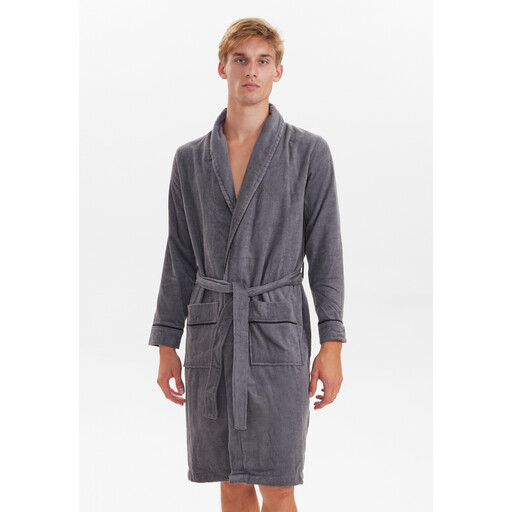
Why we're highlighting this product: This model from JBS of Denmark focuses on the core function of a bathrobe: comfort and absorbency. Made from 100% cotton, it is a functional companion after contact with water. The Scandinavian design is engineered for durability and an understated aesthetic.
Advantages:
Who it's for: For users seeking a classic, absorbent men's bathrobe or unisex robe for use after showering, at the spa, or for relaxed mornings.
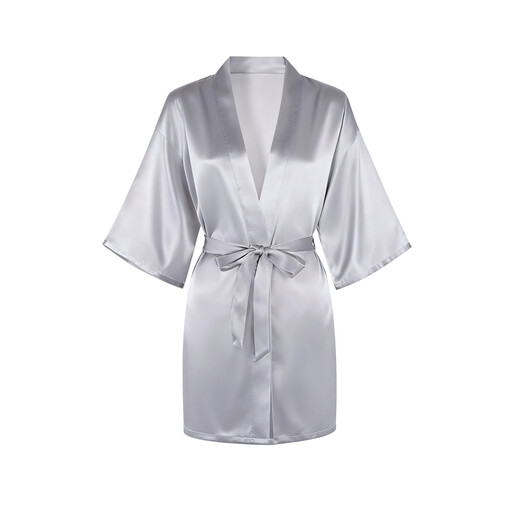
Why we're highlighting this product: This model is designed as an elegant dressing gown. The satin fabric offers a smooth, flowing texture and an appealing look. The minimalist satin kimono cut with a V-neck and mid-length sleeves underscores its character as stylish loungewear.
Advantages:
Who it's for: For individuals looking for a women's bathrobe or unisex robe as a stylish garment for home, who do not prioritise absorbency. Ideal for wearing in the morning or for relaxed evenings.
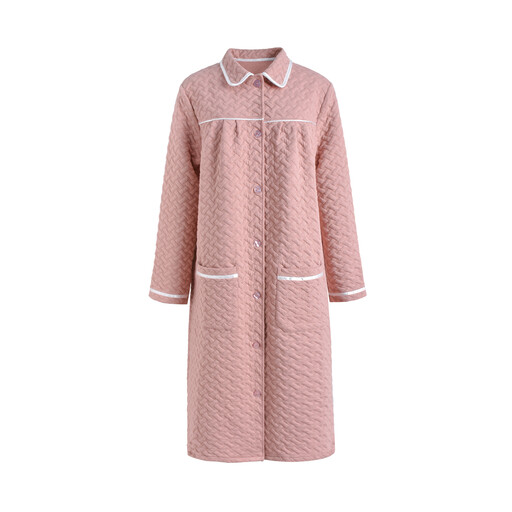
Why we're highlighting this product: This housecoat is designed for thermal insulation. The quilted fabric with a diamond pattern and light cotton padding effectively retains body heat without appearing bulky. The lapel collar and button placket give it a structured, neat appearance.
Advantages:
Who it's for: For users seeking a warm and cosy bathrobe for the autumn and winter seasons. It serves as a comfortable substitute for a cardigan or blanket in the living area.
If the models presented here do not exactly meet your requirements, you can find a wider selection of materials, cuts, and designs in our main category. There, you can filter for specific properties.
-> Discover more styles in the Dressing Gowns category here
1. What is the difference between a bathrobe and a dressing gown? Technically, the main difference lies in the material and its intended purpose. A bathrobe is typically made of an absorbent material like terry cotton and is used for drying the body. A dressing gown or housecoat is often made of lighter or warmer fabrics such as satin, silk, or fleece and is primarily worn as a comfortable layer over nightwear or loungewear.
2. Which material is most absorbent for a bathrobe? For maximum absorbency, cotton in a terry or woven terry quality is the standard choice. The long loops of the fabric can absorb many times their own weight in water. The fabric weight, given in grams per square metre (g/m² or GSM), can be an indicator here: higher values suggest a denser and therefore more absorbent fabric.
3. How do I find the right size for a bathrobe, e.g., Bathrobe XL? A bathrobe should have a loose and comfortable fit. It is advisable to consult the size chart provided by the manufacturer and compare the measurements listed there (chest circumference, length, sleeve length) with your own body measurements. When in doubt, a larger size is often the more comfortable choice, as the fit can be adjusted with the belt. Models like Bathrobe XL are designed for a generous fit.
Written by: Joybuy Product Recommendation Officer