
Lieferung heute & morgen

Qualitätsgarantie

Willkommens-Angebote freischalten: KOSTENLOSE Lieferung | Bis zu 80 % RABATT | Kostenlose 30-Tage-JoyPlus-Testphase
App herunterladen
A new bathroom cabinet can transform a small bathroom into a storage marvel. However, the search for the right model is often more difficult than it seems. Many buyers only realise after installation that the material is swelling, the doors are in the way, or their expensive care products don't even fit inside. As your Joybuy Product Recommendation Officer, I'll help you navigate these and other pitfalls to make an informed decision.
Before we look at solutions, it's important to understand the typical problems that lead to frustration and unnecessary expense.
To avoid a bad purchase, you should check three core parameters. These will help you objectively evaluate a model's quality and functionality.
The bathroom is a high-humidity environment. Your cabinet's material must be able to withstand this over the long term. Look for the following features:
Precise planning is essential, especially for bathroom furniture for small bathrooms. Don't just measure the alcove; consider the space needed for use as well.
A good bathroom cabinet is more than just a box. It's what's inside that counts.
Here are a few models tailored to specific needs and room situations that meet the quality criteria mentioned above.
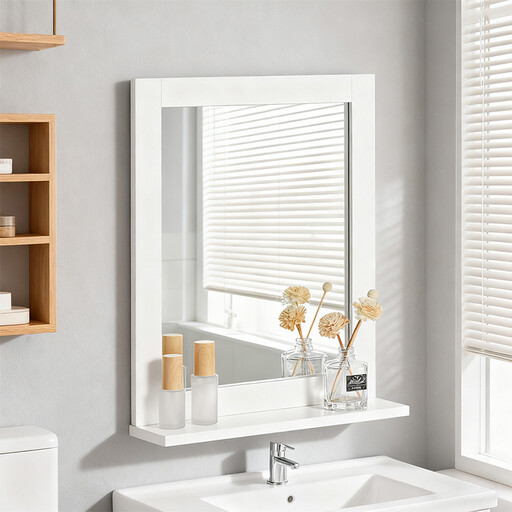
Why This Fits Their Persona: This solution is ideal for users who need functionality in the smallest of spaces. Measuring just 40x49x10 cm, this space-saving bathroom cabinet combines a mirror with a small shelf for essentials like a toothbrush and cream—perfect for a guest bathroom or a small city apartment.
The material is specified as lacquered MDF (E1), making it suitable for damp environments and preventing swelling. The compact dimensions are honest, promising not vast storage, but a targeted, small-footprint solution.
Combines a mirror and shelf on a minimal footprint. The wall-mounted design creates a clean, floor-free look.
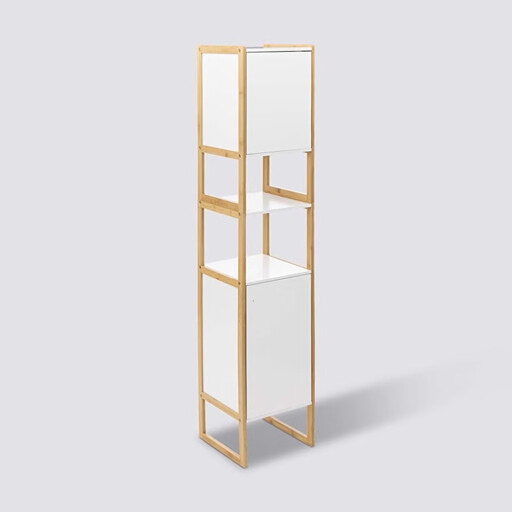
Why This Fits Their Persona: For anyone who needs to store a lot but has limited floor space. At 170 cm high, this tall bathroom cabinet makes optimal use of the room's height. It's an excellent addition to an existing bathroom furniture set, offering space for towels, cleaning supplies, and backstock.
It solves the problem of an impractical interior layout with a mix of open compartments for quick access and closed sections for a calm, uncluttered look. The material combination of MDF and bamboo is robust.
Maximises vertical storage on a small footprint. The doors can be mounted on either side, offering flexibility during setup.

Why This Fits Their Persona: This mirrored bathroom cabinet appeals to users who value natural aesthetics and sustainable materials. Bamboo brings a warm, inviting atmosphere to the bathroom and is also a resource-friendly choice.
Bamboo is naturally well-suited for damp environments, and the additional lacquer finish reliably protects the material. The adjustable shelves inside solve the problem of rigid compartments and allow for flexible organisation.
Made from sustainable, moisture-resistant bamboo. Offers flexible storage options with adjustable shelves and an open compartment.
We've compiled a complete, up-to-date list of products that fully meet these strict selection criteria and UK safety regulations.
A common rule of thumb is that for a mirrored cabinet, the centre of the mirror should be at the main user's eye level. This typically corresponds to a height of about 160 to 170 cm from the floor to the mirror's centre. For a cabinet without a mirror, the bottom edge should be at least 20 cm above the sink or other fixtures to ensure comfortable use and easy cleaning.
Materials that have been specially treated for damp environments are most suitable. These include multi-coated MDF boards, melamine resin-coated boards, bamboo, stainless steel, or high-quality plastic. Be sure to avoid raw or thinly foiled particleboard, as it is prone to mould and swelling.
Most models available today, especially a wall-mounted cabinet or an under-sink cabinet, are designed for self-assembly. Detailed instructions and mounting hardware are usually included. It is important to check the type of wall (e.g., concrete, brick, drywall) before drilling and to use the appropriate anchors and screws to ensure a secure hold.