
Lieferung heute & morgen

Qualitätsgarantie

Willkommens-Angebote freischalten: KOSTENLOSE Lieferung | Bis zu 80 % RABATT | Kostenlose 30-Tage-JoyPlus-Testphase
App herunterladen
A bathroom scale is part of the daily bathroom routine in many households. However, models vary considerably in the measurements they offer, how easy they are to use, their weight capacity and ongoing costs. A digital bathroom scale with an LCD display may be more practical for everyday use than a mechanical scale, while a body composition scale can record additional measurements in an app.
It’s not the longest list of features that matters, but the right combination of measurement range, readability, stability and ease of use. The following tips will help you weigh up the usual buying decisions.
A body fat scale or smart scale can show body fat, water, muscle or bone mass alongside your weight, for example. Many models calculate these figures using bioelectrical impedance analysis (BIA). They can help you get a general picture and track changes over time, but the readings are affected by factors such as hydration, time of day, foot contact and your position on the scale.
So, if you only want to monitor your body weight, you don’t necessarily need a Bluetooth body composition scale. If you have fitness goals, however, a scale with an app can be useful when you want to focus on long-term trends.
Figures such as 0.05 kg or 0.1 kg increments describe the display or measurement interval. The result can also be affected by an uneven floor, carpet, damp feet or incorrect positioning. For this reason, a precise bathroom scale should always be placed on a hard, level and dry surface.
For comparable readings, it’s also best to weigh yourself at around the same time of day and in similar conditions.
A glass scale is usually easy to wipe clean, but can become slippery when wet and should not be subjected to strong impacts. A bamboo scale adds a natural finish to your bathroom, but should not be left exposed to damp or high humidity for long periods. Mechanical bathroom scales don’t need batteries, but often have larger increments, such as 500 g.
The maximum weight capacity should suit the people who will be using the scale. A bathroom scale with a capacity of up to 180 kg will suit many households. For people with a higher body weight, or if you’d like extra capacity in reserve, a bathroom scale with a capacity of up to 250 kg may be a better choice.
The size of the platform matters too. Compact models with sides measuring around 26 to 28 cm are easy to store away. A larger platform can provide more room to stand on when stepping onto the scale. Avoid using scales on carpets or soft mats, as these can affect the reading.
A scale with an LCD or LED display that’s easy to read makes checking your weight simpler. Large digits, a backlight and the option to switch between kg, lb and st are particularly useful.
Also check whether batteries are included. CR2032 coin-cell and AAA batteries are common, but need to be replaced regularly. Mechanical bathroom scales work without batteries, while smart models need extra power for Bluetooth, Wi-Fi or a display.
A body composition scale should clearly state which measurements it records and which app you’ll need. Key points to look out for include:
BIA scale readings are not a medical diagnosis. If you have a medical implant, check the manufacturer’s instructions before using the scale and ask your doctor for advice if you’re unsure.
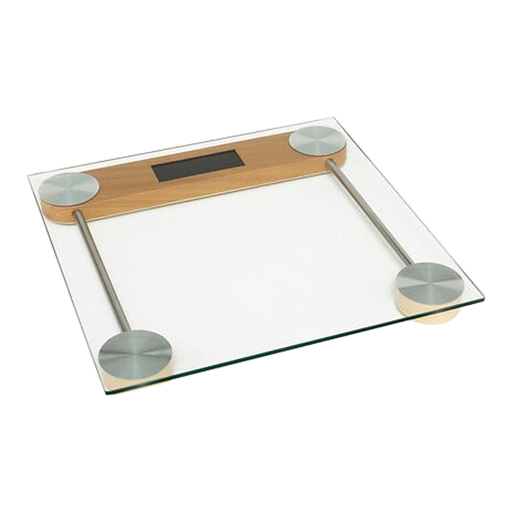
Why this product suits this profile: This digital bathroom scale focuses on weight readings, making it a good choice if you don’t need body composition analysis or app connectivity.
The product details make it clear that body composition analysis and device connectivity are not included. That means you won’t pay for features you don’t need.
Digital display, compact 28 × 28 cm dimensions and a stated maximum capacity of 180 kg.
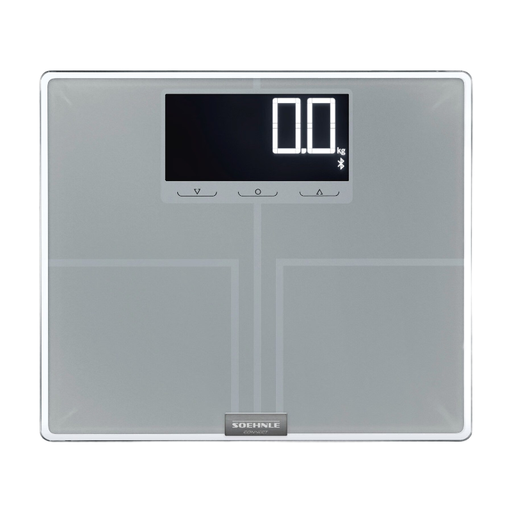
Why this product suits this profile: If you want to record your weight and body composition in an app, this model offers Bluetooth data transfer and automatic recognition for up to eight users.
The app connection, user profiles and BIA function are all clearly specified. This makes it easier to check that the scale is compatible with your smartphone and offers the measurements you want.
Bluetooth connectivity for the MyScale app, backlit LCD display, 200 kg capacity and 100 g increments according to the product details.
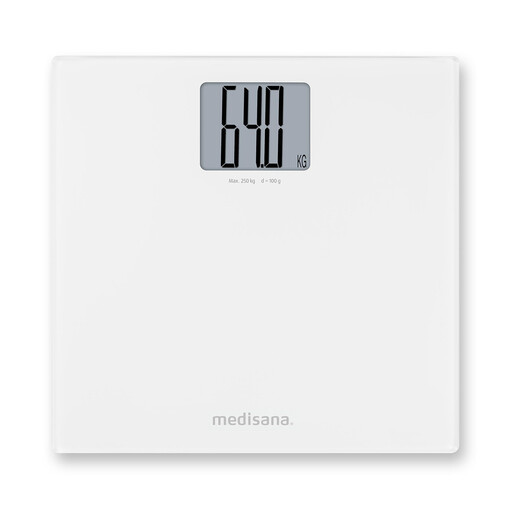
Why this product suits this profile: This bathroom scale, with a capacity of up to 250 kg, is designed for households that prioritise a high weight capacity, a large platform and an easy-to-read display.
The maximum capacity of 250 kg and dimensions of around 34 × 34 cm are clearly stated. This lets you check whether the scale is suitable before you buy, using specific measurements.
Extra-large LCD display, step-on activation, overload indicator and the option to switch between kg, lb and st.

Why this product suits this profile: This mechanical bathroom scale works without batteries, making it a good choice if you prefer an analogue weight display and a retro design.
The 500 g increments are clearly stated. If you don’t need fine digital measurement intervals, you can get a realistic idea of what the scale offers.
We’ve put together a complete, regularly updated list of products that meet these strict selection criteria and fully comply with the safety regulations in force in the EU.
Place the scale on a hard, level and dry floor, such as tiles or wooden flooring. Carpets, bath mats and uneven surfaces can affect the reading. After moving the scale, follow the instructions to reset it to zero or switch it on briefly before use.
Its lifespan depends on the sensors, casing, glass platform, battery care and how much it is used. Strong impacts, moisture and exceeding the maximum weight capacity can damage the scale. Clean the surface with a soft cloth and avoid using harsh cleaning products.
For basic digital models, ongoing costs are usually limited to replacing AAA or coin-cell batteries. Mechanical models don’t need batteries. App-connected scales may also need regular battery changes and a smartphone app. Before you buy, check the battery type, what’s included and which extra features you want.